

The half-mile walk back to the hotel felt like ten.
Fulton Sheen’s beatification had just wrapped, and I was dragging my weary body through St. Louis with a very simple plan: get back, pack, and head to the airport. The Dominican Rosary Pilgrimage in DC was up next.
Weeks of work were catching up with me, and so was the thought of everything still ahead.
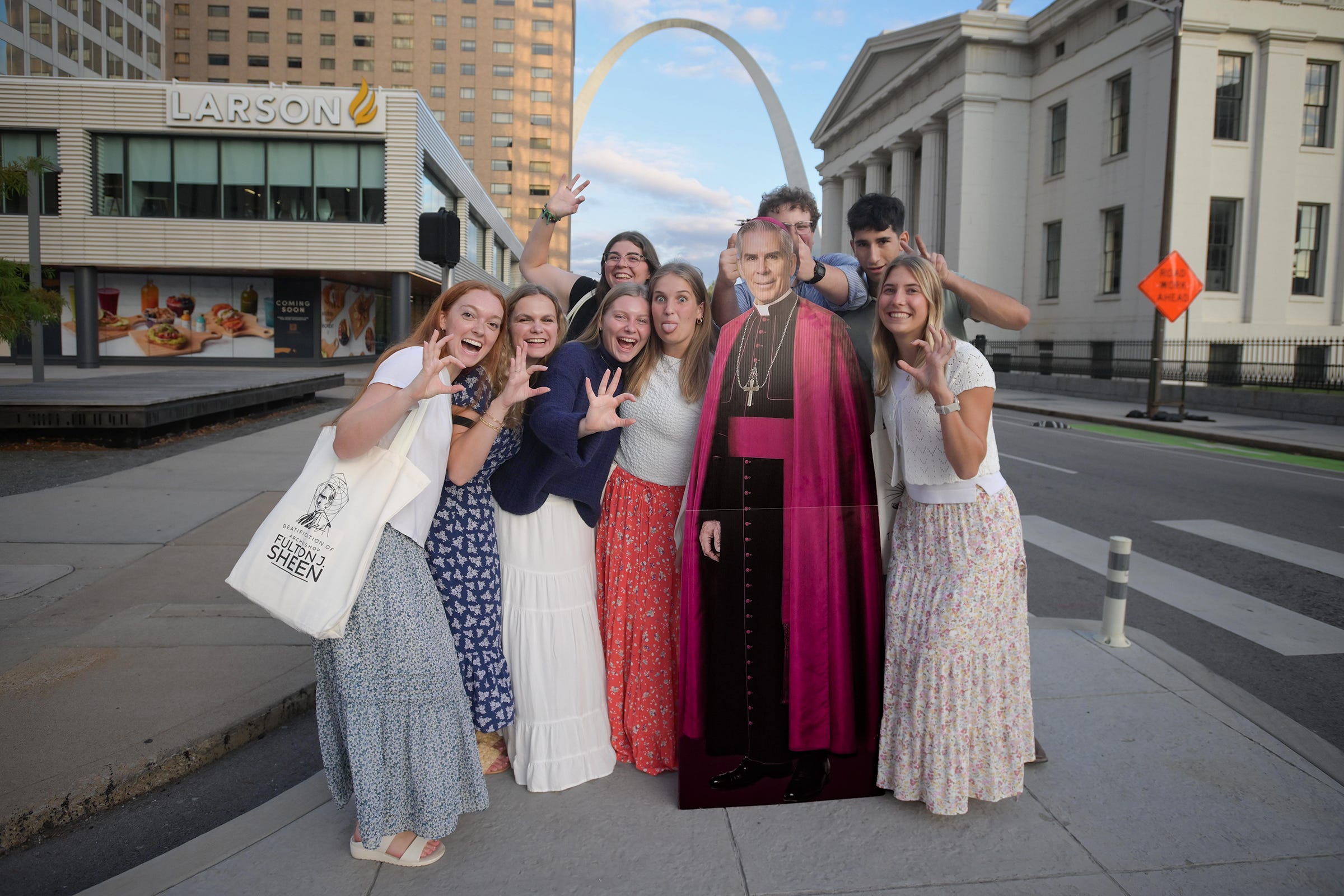
Then, out of the corner of my eye, across the broad avenue, I spotted a group of kids with a cardboard cutout of Blessed Fulton Sheen.
“Nope. You need to get back to the hotel,” said my inner voice.
“You really need to pack…” it said a little louder.
And “It’s really not…”
And with that, the Catholic content creator in me vetoed the next thought, and I hopped across the street.
Under normal circumstances, I’d have introduced myself and made a little small talk. But with one foot already in the grave, I got straight to the point.
“Hey, can I take your picture with that?”
“YES!”
You’ve gotta love youthful enthusiasm.
No credential check. No suspicious glance. Just an immediate, wholehearted yes.
After a few photos, I tiredly asked where they were from. College students from Kansas. And after a little witty banter, I saw it.
Their joy.
His Joy.
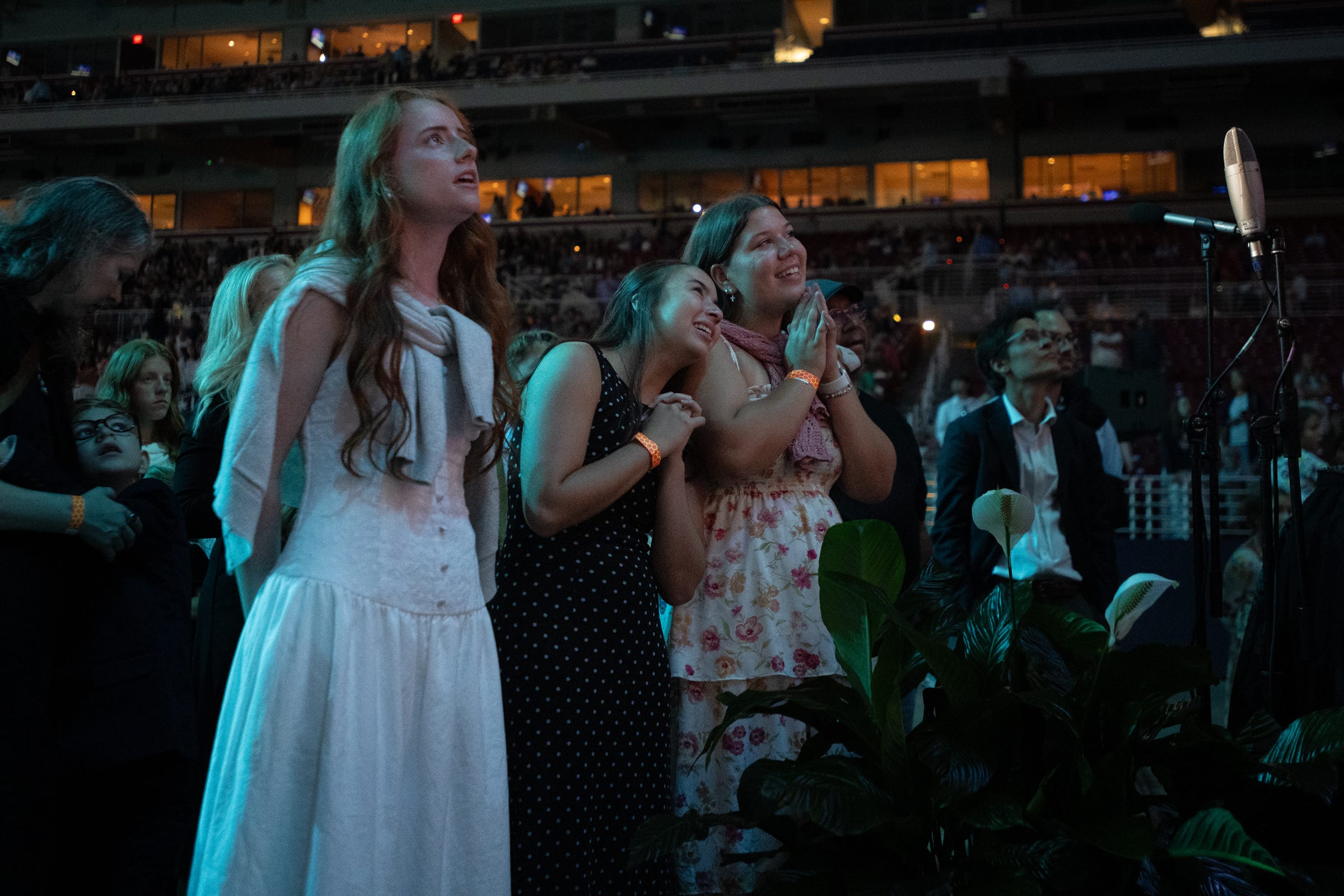
The kind that filled the Dome to capacity. The kind that flows from Faith and virtue.
It’s strange that it’s so difficult to describe something you can see so plainly. Here were a bunch of young Catholics living fully in His joy and happy to let the world see it and posing with a cardboard bishop who’d died long before they were born.
It brought this tired, old photojournalist to a soul-deep smile.
God will never be outdone in His consolations.
We just need to pay attention.
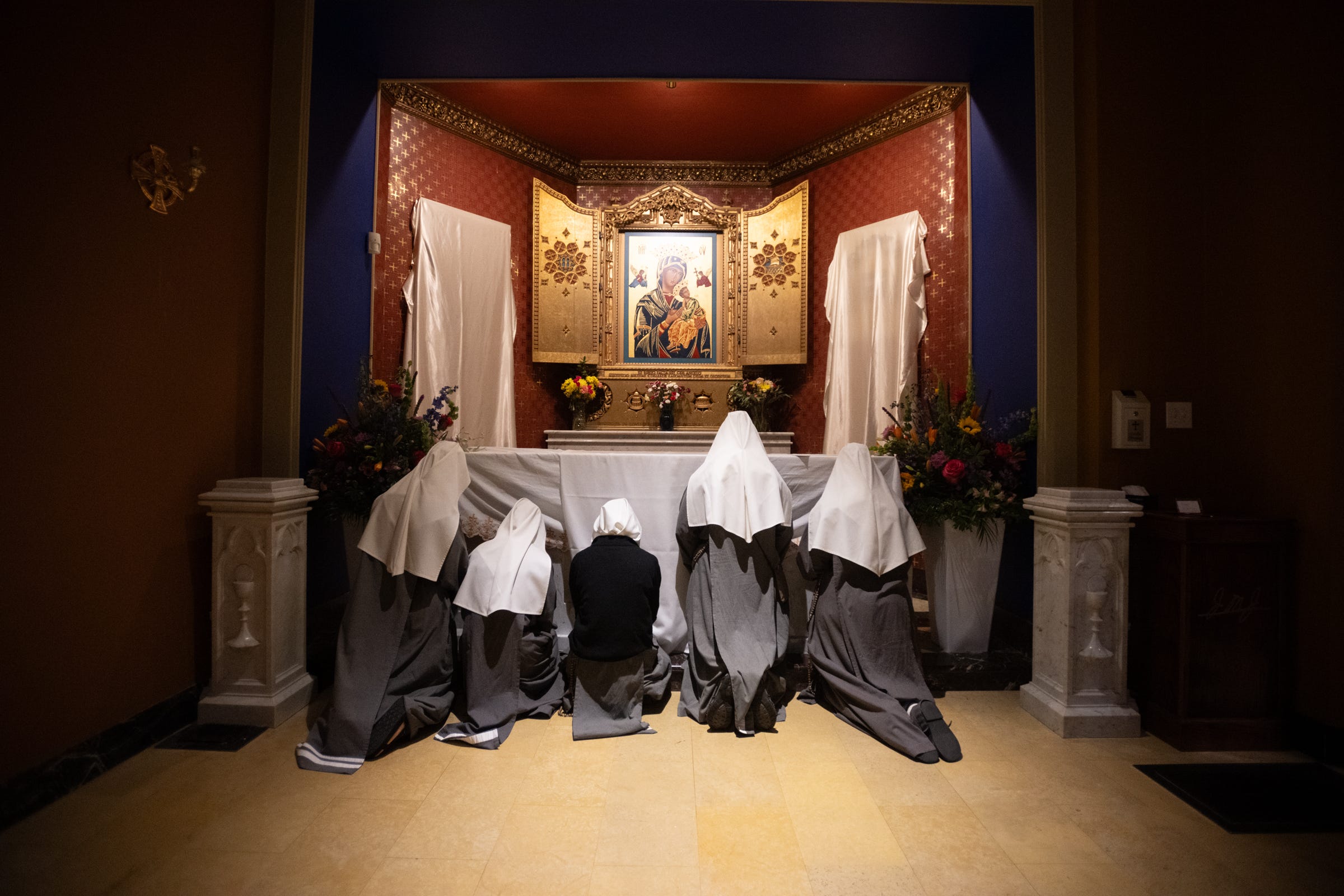
And paying attention is very much part of the work of those of us who set out to evangelize in the digital world. Encountering stories. Witnessing grace. Recognizing the life and beauty of the Church in the person standing before us, even when we’re exhausted and convinced we have somewhere else to be.
Then finding a way to share it.
A photograph. A story. A video. A few words that might help someone we’ll never meet encounter Jesus Christ.
Those college students had just reminded me why this work matters. And the bishop standing among them in cardboard had been showing us how to do it long before any of us picked up a camera.

He was already a veteran by the time Life Is Worth Living hit the air in 1952. He’d spent something like twenty years talking to Americans on NBC radio’s The Catholic Hour, so when television started reshaping daily life, he just walked into that world too.
What happened next still seems a little unreal. A Catholic bishop, dressed unmistakably like a Catholic bishop, stood in front of a camera with a blackboard and a piece of chalk and started talking about the biggest questions people ask. No band. No dancers. No fancy set.
And millions of people watched.
He went head-to-head in prime time with Milton Berle and somehow became a cultural phenomenon of his own. And in 1953, he won an Emmy for being exactly who he was.
Seventy years later, those of us in Catholic media are standing on a different kind of frontier. Our blackboards are Instagram, YouTube, podcasts, newsletters, websites, and whatever platform someone in Silicon Valley rolls out next Tuesday.
The tools have changed, but the deep longing in the human heart hasn’t.
For those of us trying to use those tools to tell the story of Christ and His Church, he left us something better than a stack of great old shows.
He left us a blueprint.
1. Begin with Christ before you begin with content
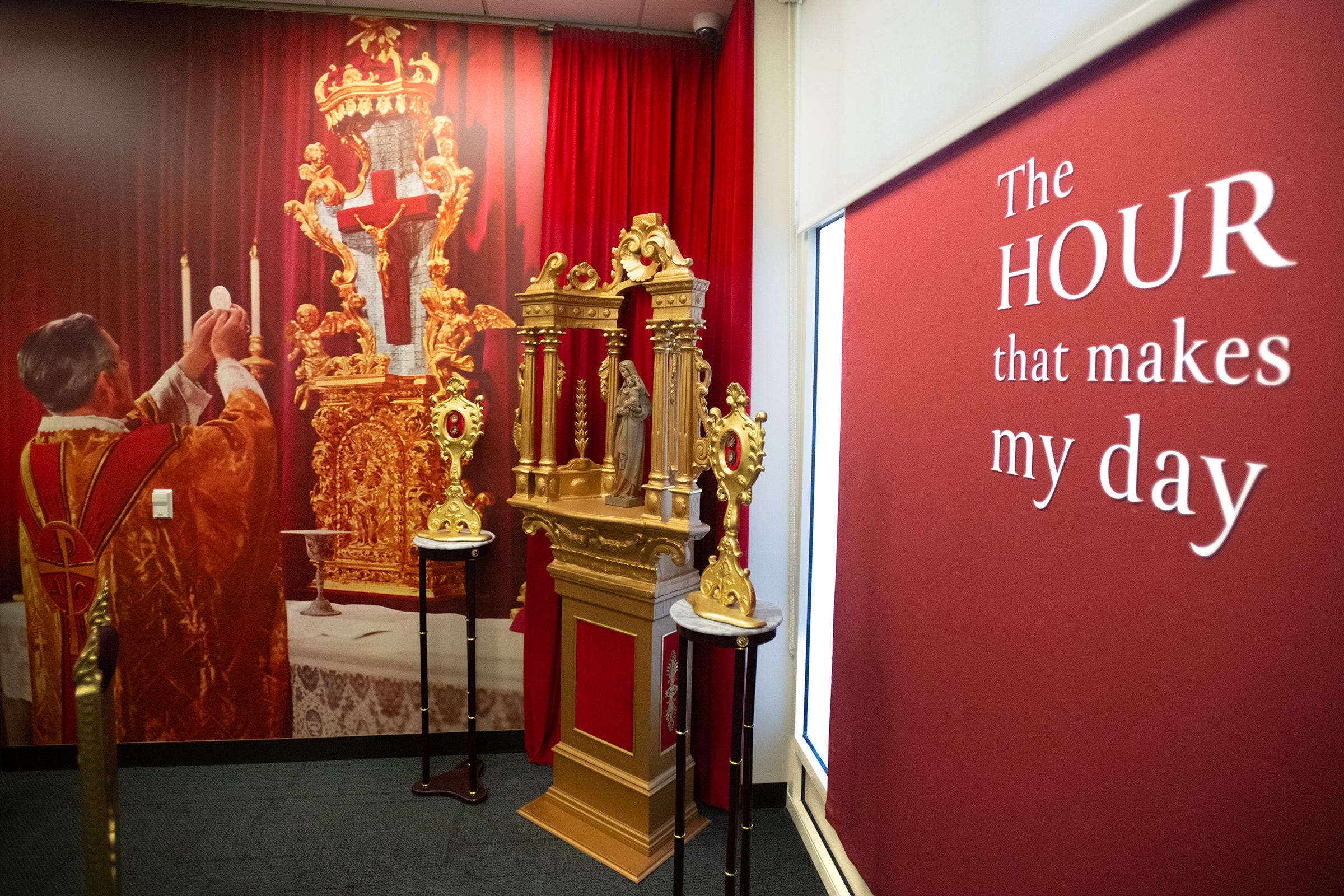
The secret of Fulton Sheen’s success wasn’t television. It wasn’t charisma. It wasn’t even his intellect, considerable though it was. It began on his knees.
At his ordination, Sheen resolved to spend a Holy Hour before the Blessed Sacrament every day. He kept that practice throughout roughly 60 years of priesthood, and the Holy Hour became so central to his life that he described it as the source of his spiritual strength.
That may be the first and most important lesson for anyone attempting to evangelize through media. Before the camera comes the chapel. Before the post comes prayer. Before asking what we want to say about Christ, we have to spend time with Christ.
Otherwise, sooner or later, the work becomes about us.
2. Be Jesus to the person in front of you first
It’s so easy in digital media to become obsessed with people we can’t see: followers, subscribers, views, reach and engagement. Numbers on a screen representing the countless human beings somewhere out there.
But Christianity has always worked in the opposite direction. One person at a time.
The coworker beside us. The person carrying the tripod. The editor answering our email. The stranger who approaches after an event. Our spouse. Our children. The person who needs five minutes when we have absolutely no five minutes to give.
Before we proclaim Christ to an audience, the people around us should encounter something of Christ in us. Otherwise, our evangelization becomes performance.
3. Don’t be afraid of new technology
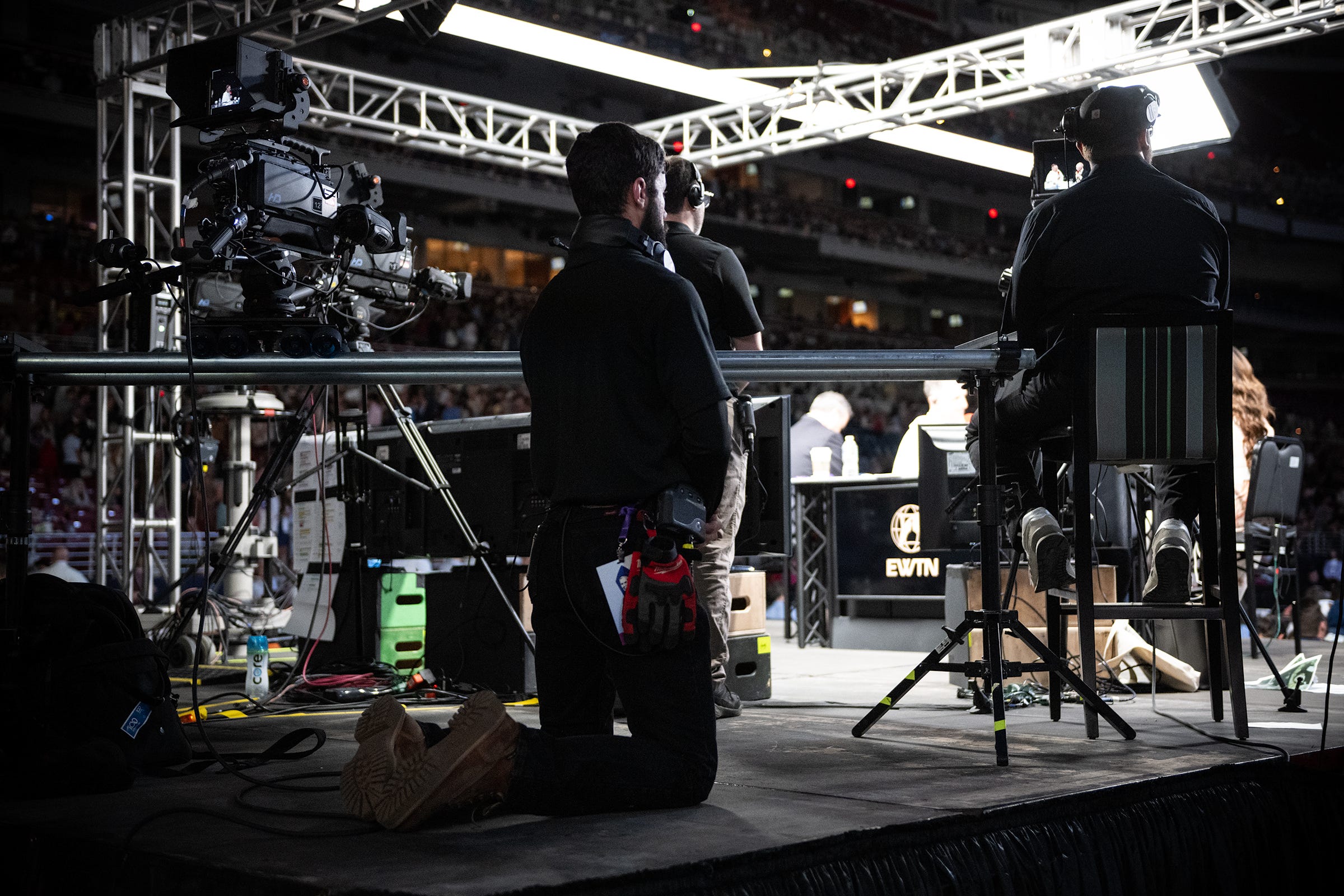
Sheen understood something the Church occasionally struggles to remember: a new technology is not necessarily an enemy of the Gospel. It may simply be another road on which the Gospel is waiting to travel.
Radio was new. Television was newer. Sheen entered both.
Today it’s social media, streaming video, artificial intelligence, virtual production and technologies we haven’t imagined yet. They all carry dangers. Every medium does.
The question isn’t simply, “Is this technology good or bad?”
The better question may be: How can this be placed at the service of the Gospel?
4. Learn the craft
Sheen was holy. He was also very, very good at television.
Watch him and you see a communicator who understood timing, silence, humor, eye contact, gesture, storytelling, the blackboard reveal and the dramatic pause. He knew how to hold attention.
There can sometimes be a temptation in Catholic media to believe that because our message is true, presentation doesn’t matter. Sheen proves otherwise.
Truth deserves excellence.
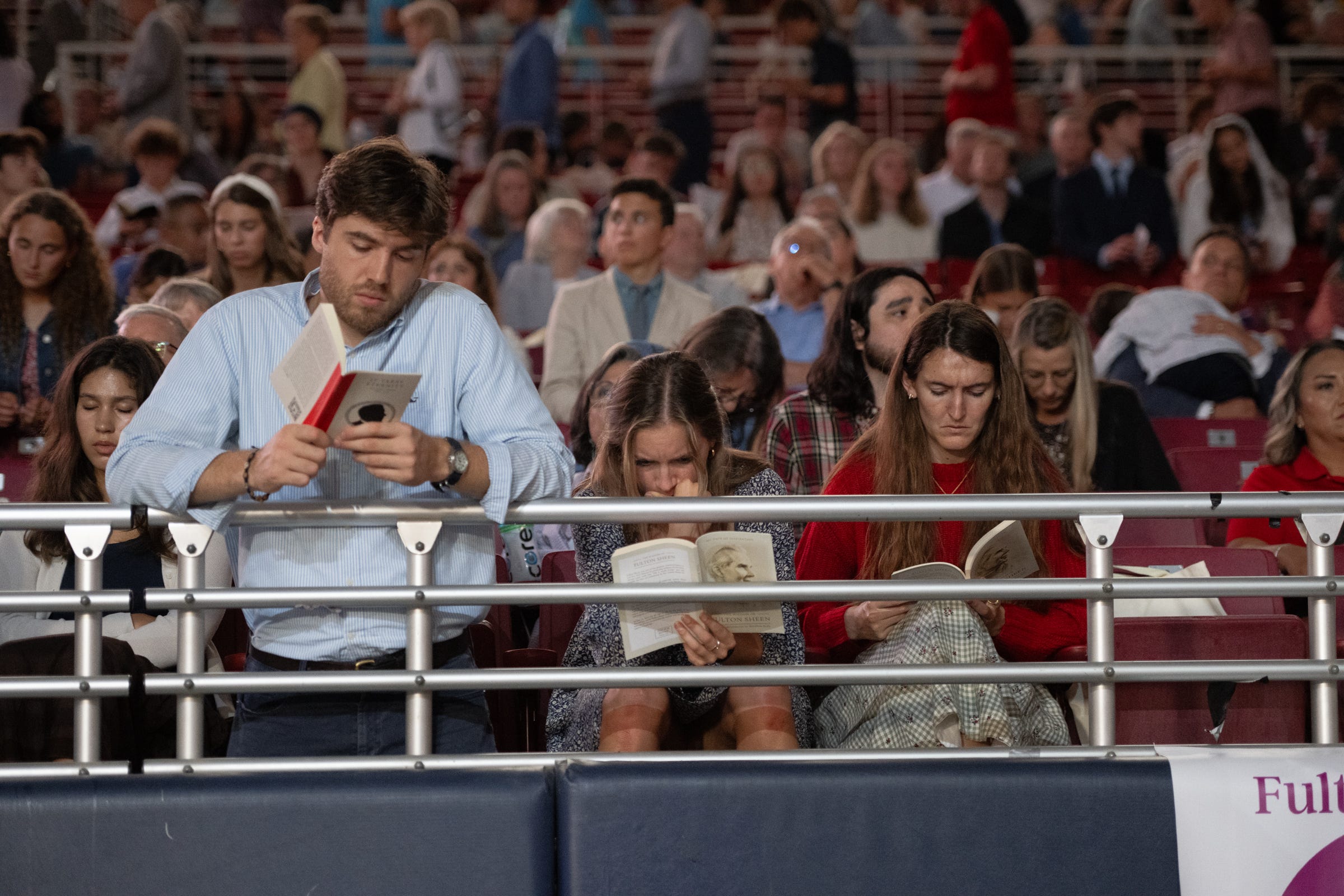
If we’re photographers, we should make beautiful photographs. If we write, we should labor over sentences. If we make films, podcasts or social media, we should understand the language of those mediums and use them well.
Not because polish saves souls, but because sloppy work can stand between a soul and something worth hearing.
5. Speak the truth without sanding off its edges
Sheen didn’t become successful by disguising himself as something other than a Catholic bishop. Quite the opposite.
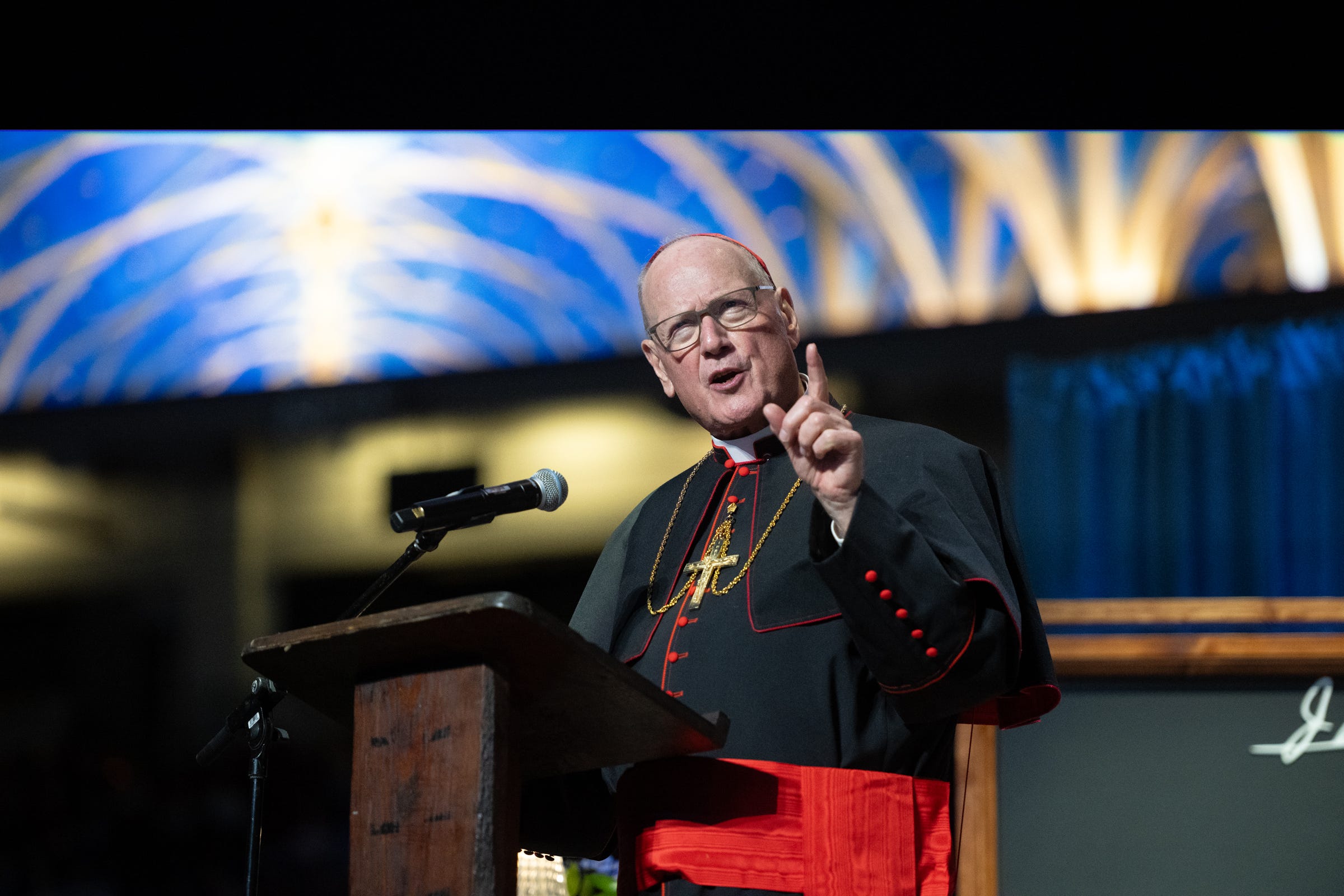
There he was. Cassock. Pectoral cross. Cape. Chalkboard. Catholicism completely visible.
And then he spoke about the things that mattered: sin, virtue, sacrifice, marriage, Communism, death, eternity and Christ.
He used humor and tremendous warmth, but he wasn’t embarrassed by the Faith or frightened that clearly proclaiming it might reduce his audience.
For those of us creating Catholic media today, that requires courage. There will always be pressure to soften something, avoid something, or phrase something just ambiguously enough that nobody objects.
Sheen’s example suggests another path: love people enough to tell them the Truth, and tell the Truth lovingly enough that they might stay to hear it.
6. Remember that the platform is not the mission
Platforms come and go.
DuMont Television barely exists today outside broadcasting history books. Instagram will someday disappear too. So will YouTube. So will whatever replaces them.
The mistake is believing we’re called to build something on a platform.
We’re not.
We’re called to build the Kingdom.
We’re called to spread the Gospel.
The platform is simply rented space.
Sheen used the most powerful communications technology available to him, but his work outlived the technology because his message was never dependent upon it.
That’s worth remembering every time an algorithm changes and our carefully cultivated “reach” suddenly falls through the floor.
Peter, Paul, and the apostles had the Grace of Christ, their voices, and nothing much else, and they got it done.
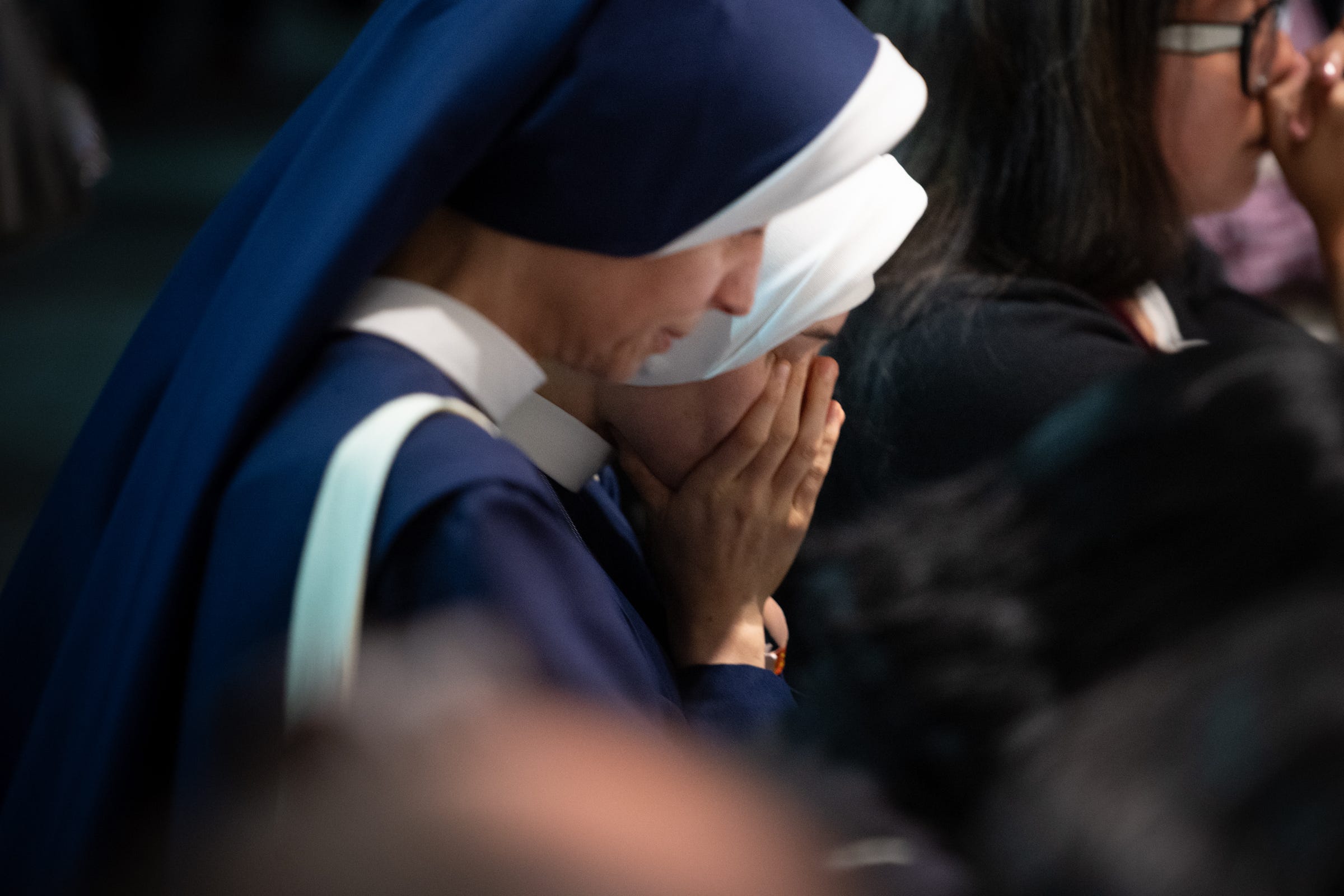
7. Run the race all the way home
Fulton Sheen lived long enough to see enormous cultural changes. He experienced success, criticism, conflict, disappointment and suffering.
But he kept going.
He preached, taught, wrote and prayed.
And remarkably, after decades of public life, he died in 1979 in the presence of the Blessed Sacrament, the same Christ before Whom he had spent hour after hour throughout his priesthood.
That may be his final lesson for us.
The goal isn’t to go viral. It isn’t a million followers. It isn’t a successful Substack, a television show, a YouTube channel, an award, a book contract or a photograph on the front page.
Those things may come. They may even be useful.
But they aren’t the finish line.
Sainthood is.
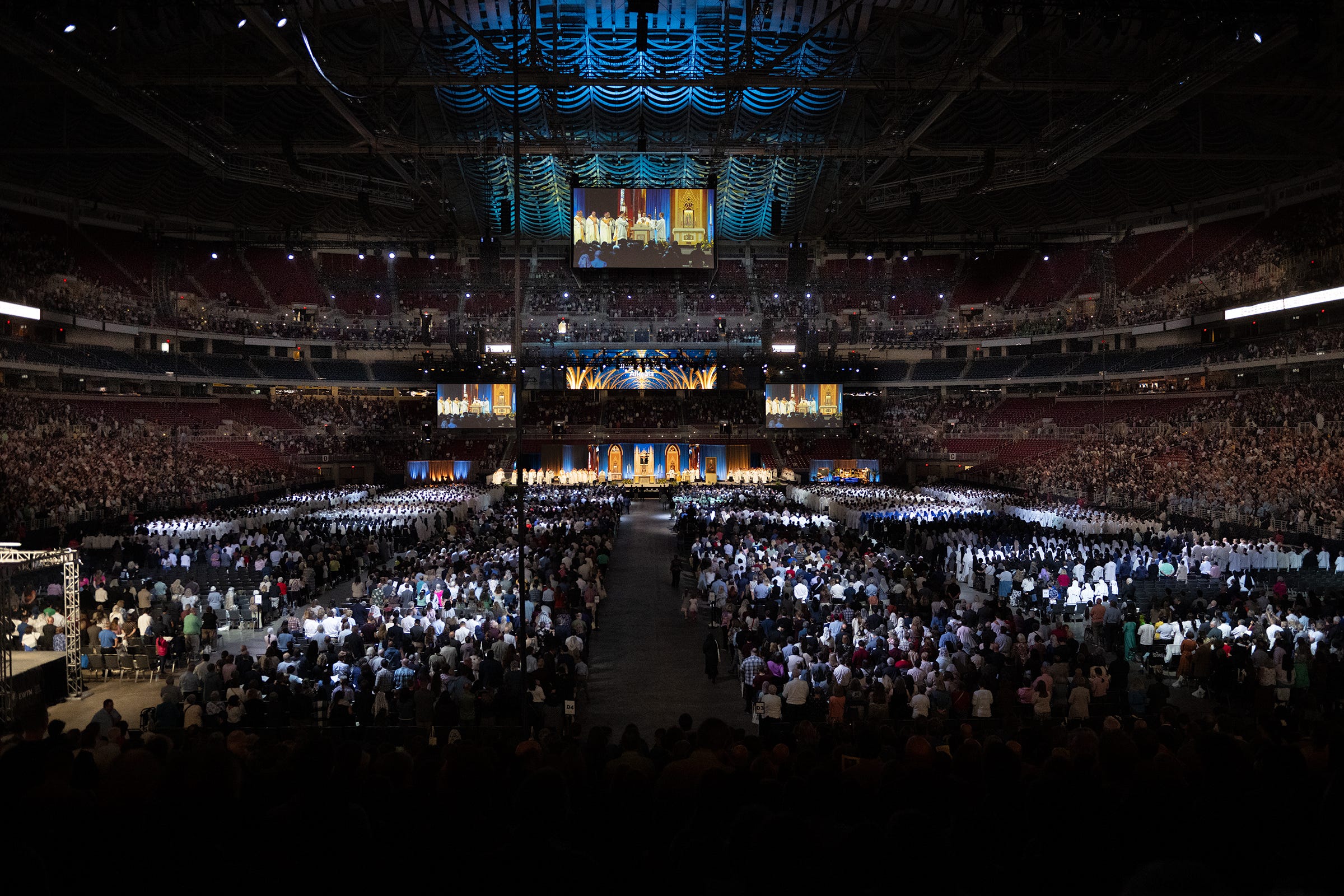
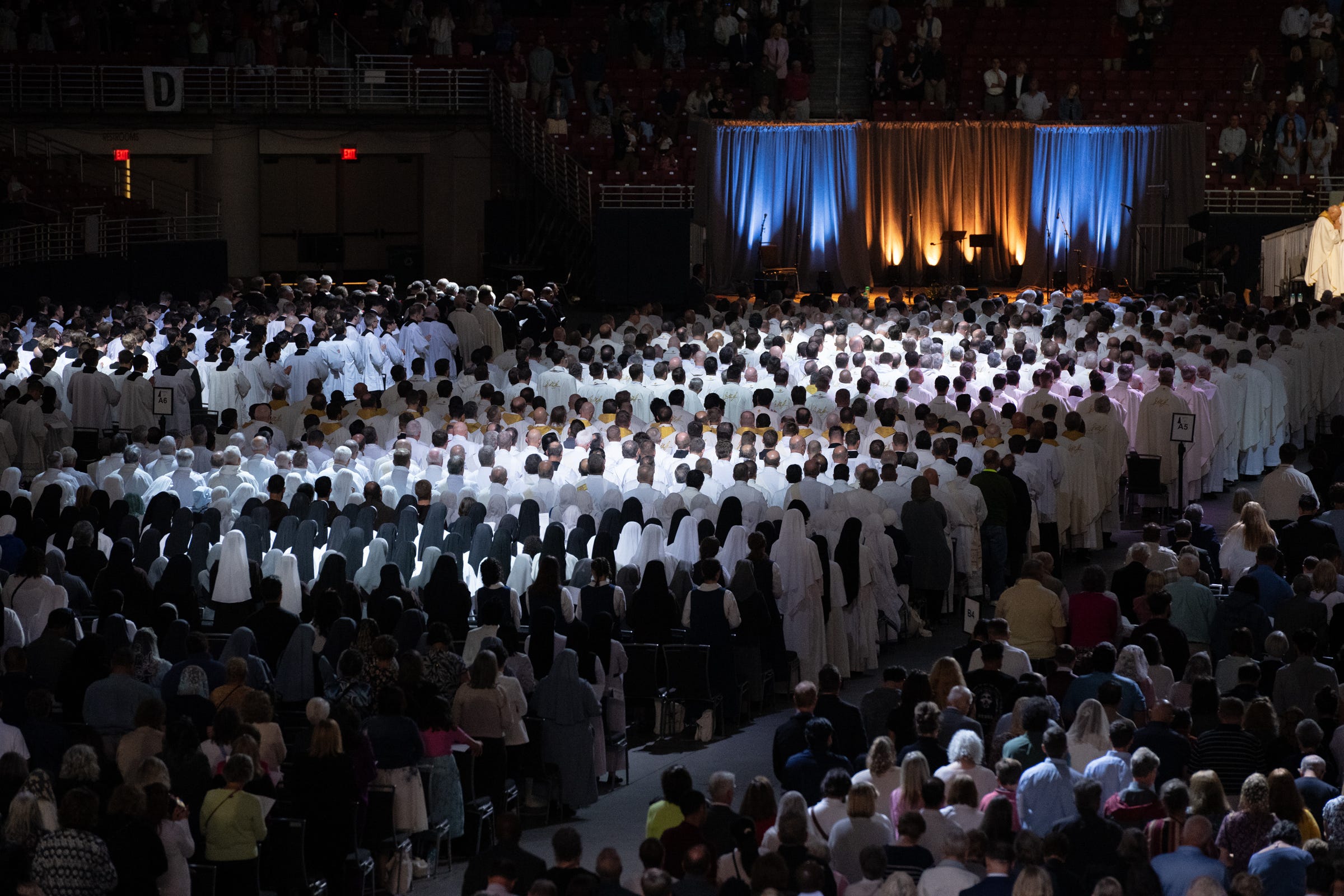
On September 24, 2026, the Church gathered in St. Louis to beatify Fulton J. Sheen: the television bishop, the radio preacher, the missionary, the theologian, the master communicator and, above everything else, the disciple of Jesus Christ.
I pray that one day he will be canonized and named a patron saint of media evangelists.
Because nearly three-quarters of a century before Instagram, YouTube, podcasts or smartphones, Fulton Sheen understood what every Catholic creator eventually has to learn: the medium may help us reach the human heart.
But only Christ can fill it.
And with Grace, we can help bridge that gap.
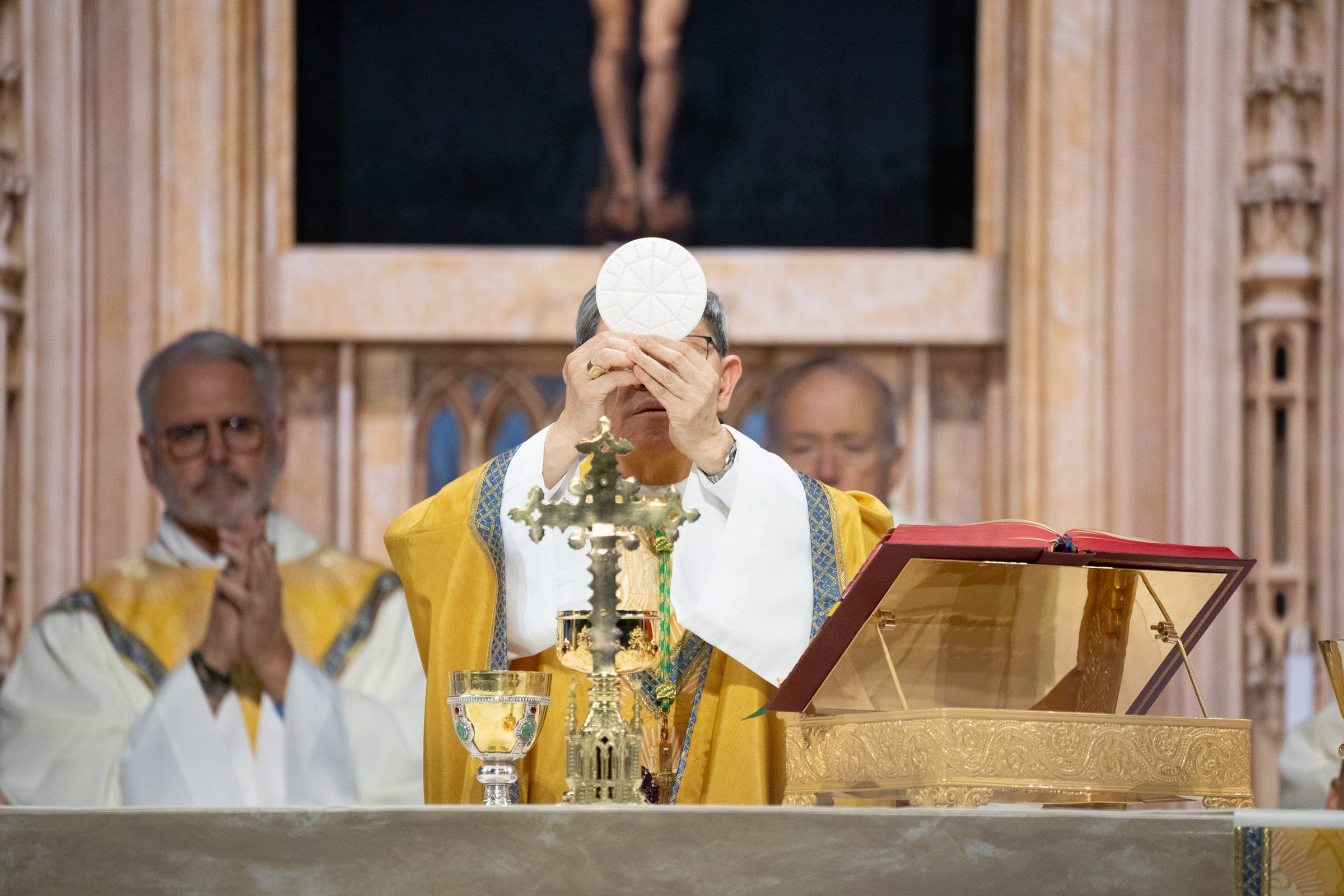
So pray. Learn your craft. Use the tools God places in your hands. Proclaim the Truth. Love the person in front of you. Don’t be afraid. And run the race all the way home.
And perhaps, by the Grace of God, one day people will gather in prayer and gratitude to celebrate your beatification too.
Blessed Fulton Sheen, please pray for us.
Thanks for reading! This is a truly independent, reader-supported periodical. Your support is crucial. If you are able, please consider a paid subscription or making a ‘Patron of the Arts’ donation of any amount. By doing so, you are not just supporting this effort; you’re a vital part of this mission.
You have my heartfelt thanks for your generosity and support, and please keep me in your prayers, and know of mine for each of you. God Bless, Jeff