

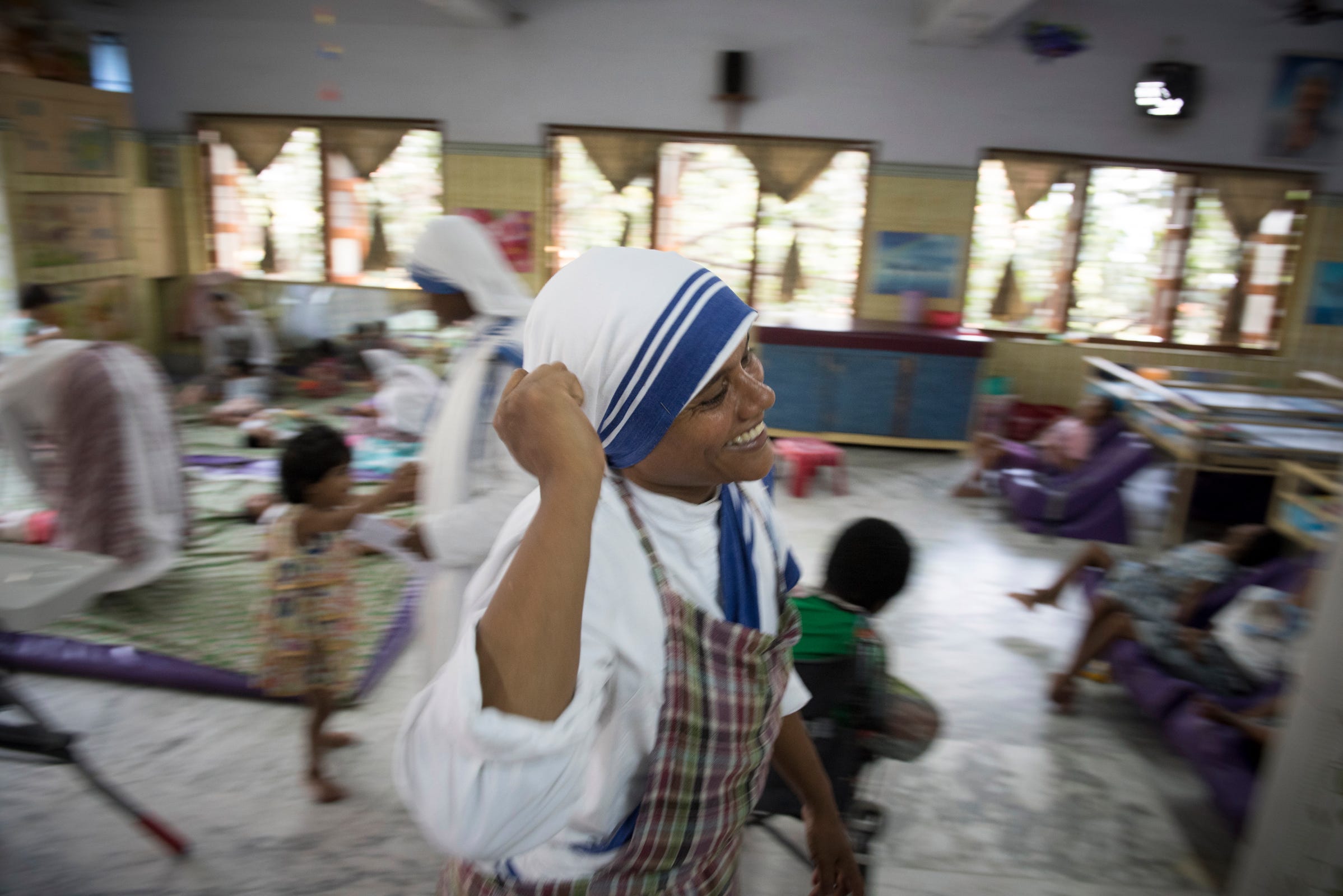
Near midnight, in a pouring rain, my taxi driver stopped somewhere in Calcutta and told me to get out.
I had two suitcases, no idea where I was, and could barely breathe in the thick mixture of smoke, heat, and humidity that passed for air. My hotel, the driver indicated, was somewhere down the darkened road.
Then he left.
Standing alone in the rain, I made God a promise: If I survived this, I would never leave the house again.
This was, apparently, God’s answer to my prayer.
I have a genuine gift for getting myself into situations where I have absolutely no business being. Five minutes into the average adventure, I am usually looking for a scuba tank because I’ve discovered that I am not only over my head, but fully submerged.
The adventures are frequently uncomfortable. Occasionally terrifying. Sometimes hilarious.
But the participation prize has always been the story.
Calcutta became one of those stories. Ten years later, though, I’m no longer certain that the story was the prize.
In the months leading up to Mother Teresa’s canonization in 2016, it seemed as though every Catholic news organization in the world was heading to Rome. The agency I worked with already had a photographer there, which made perfect sense.
But I was disappointed.
I loved Mother Teresa. I wanted to be close to this moment, and I began praying for some way to participate.
Then a thought came to me: If everyone else was going to Rome, why not go to Calcutta?
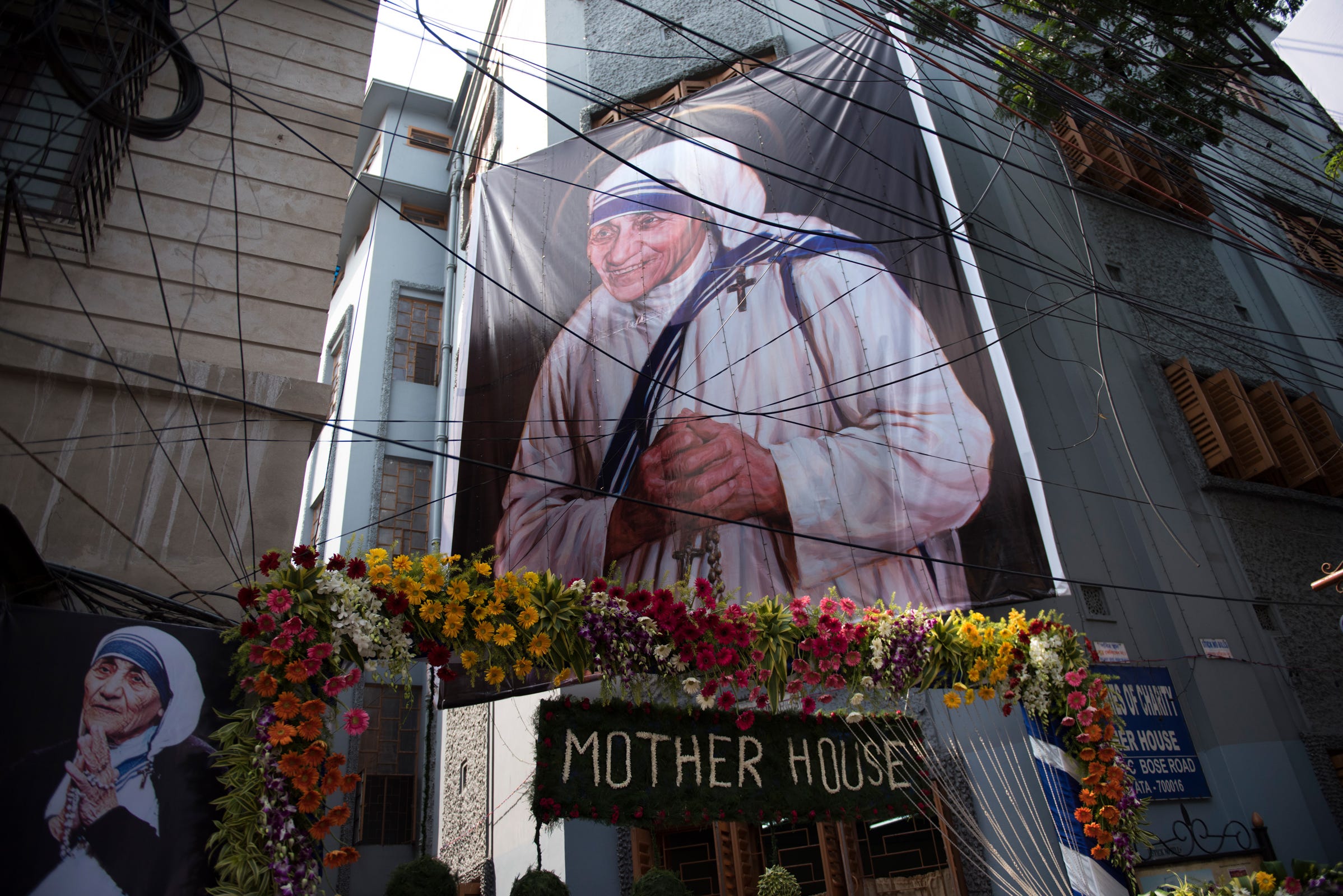
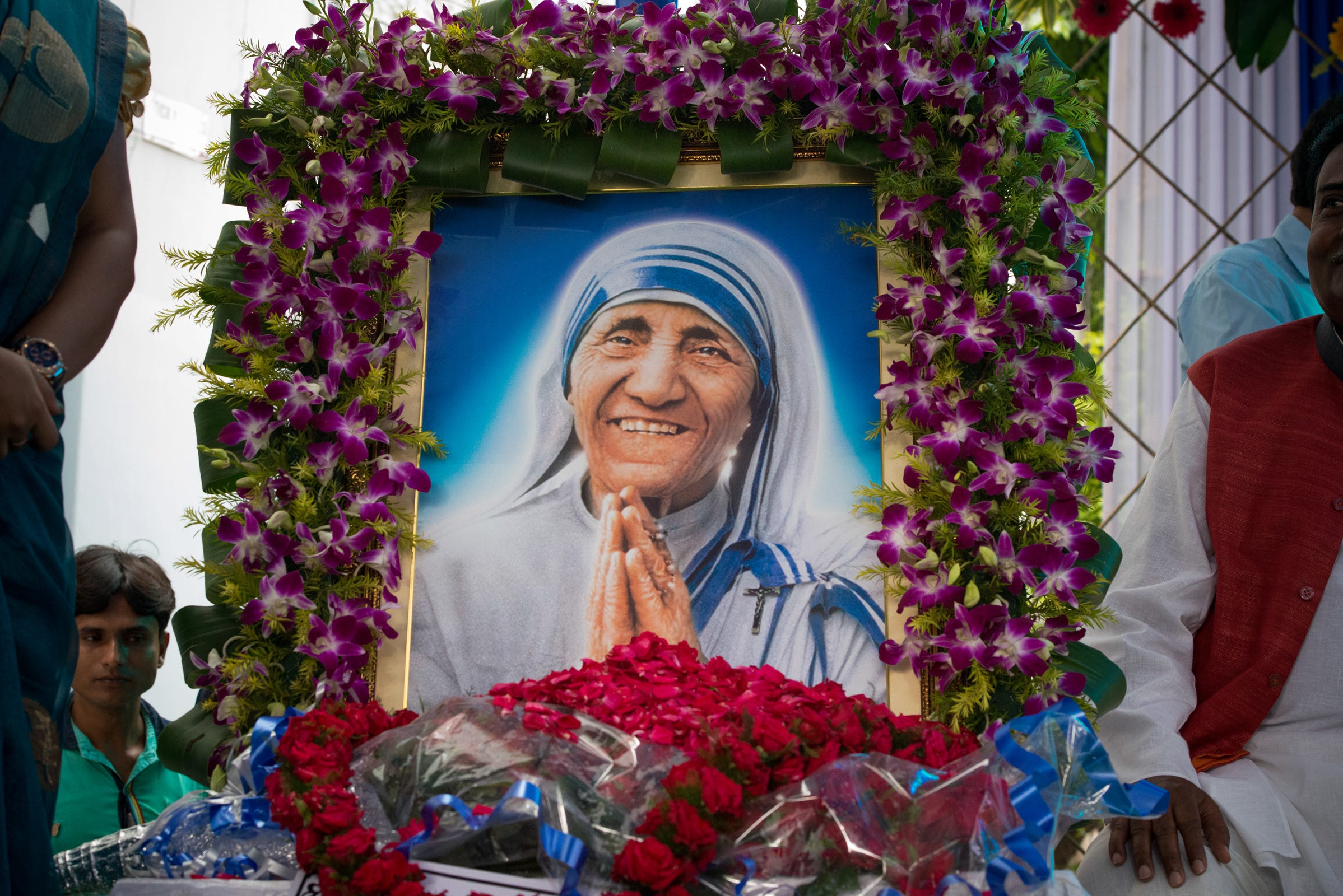
This was the city in which Mother Teresa had lived and worked. It was where she was buried and where the Missionaries of Charity continued the work she began. Most importantly, it was filled with people who had known her not simply as a saint or international icon, but as Mother.
And because everyone would be in Rome, I imagined Calcutta might be quiet.
Peaceful, even.
I may have been spiritually inspired, but I was logistically delusional.
My colleagues laughed when I told them the idea. The Missionaries of Charity did not exactly court publicity. They generally did not allow photographers into their homes, and the likelihood that they would welcome an American photojournalist during one of the most important moments in their history seemed rather slim.
Still, I wrote to them.
The response addressed me as “Dearest Jeffrey” and said that, after prayerful consideration, the Sisters would be delighted to welcome me.
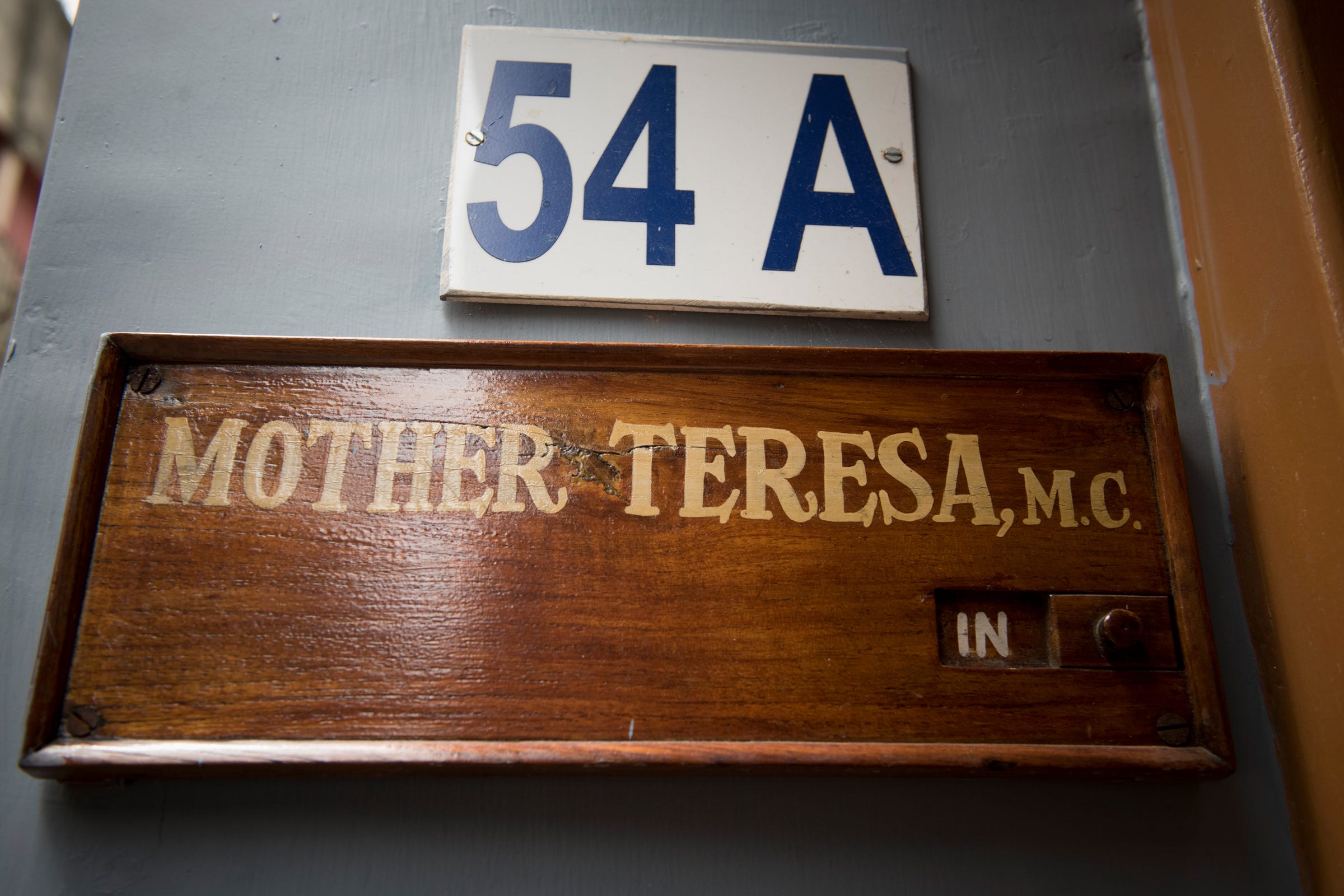
Be careful what you pray for.
As my plane climbed away from New York, I watched the familiar lights disappear beneath me and wondered what, exactly, I’d gotten myself into.
The airport in Delhi looked like the sort of place James Bond might stroll through on his way to save the world. That glamour evaporated aboard the packed, overheated flight to Calcutta. By the time I walked outside, the air felt like it was made of smoke and water. Then came the midnight taxi ride, my roadside abandonment, and the desperate search for the hotel.
Eventually, I found it and pounded on the locked door until a kind, smiling man let me inside.
The air conditioner in my room was more of a theory than an appliance.
And I had booked it for two weeks.
Sr. Ita had been instrumental in getting me to Calcutta in the first place. At Mother House, I explained why I had come and what I hoped to document. I had expected strict limitations. Instead, the Sisters opened far more of their world to me than I ever imagined they would.
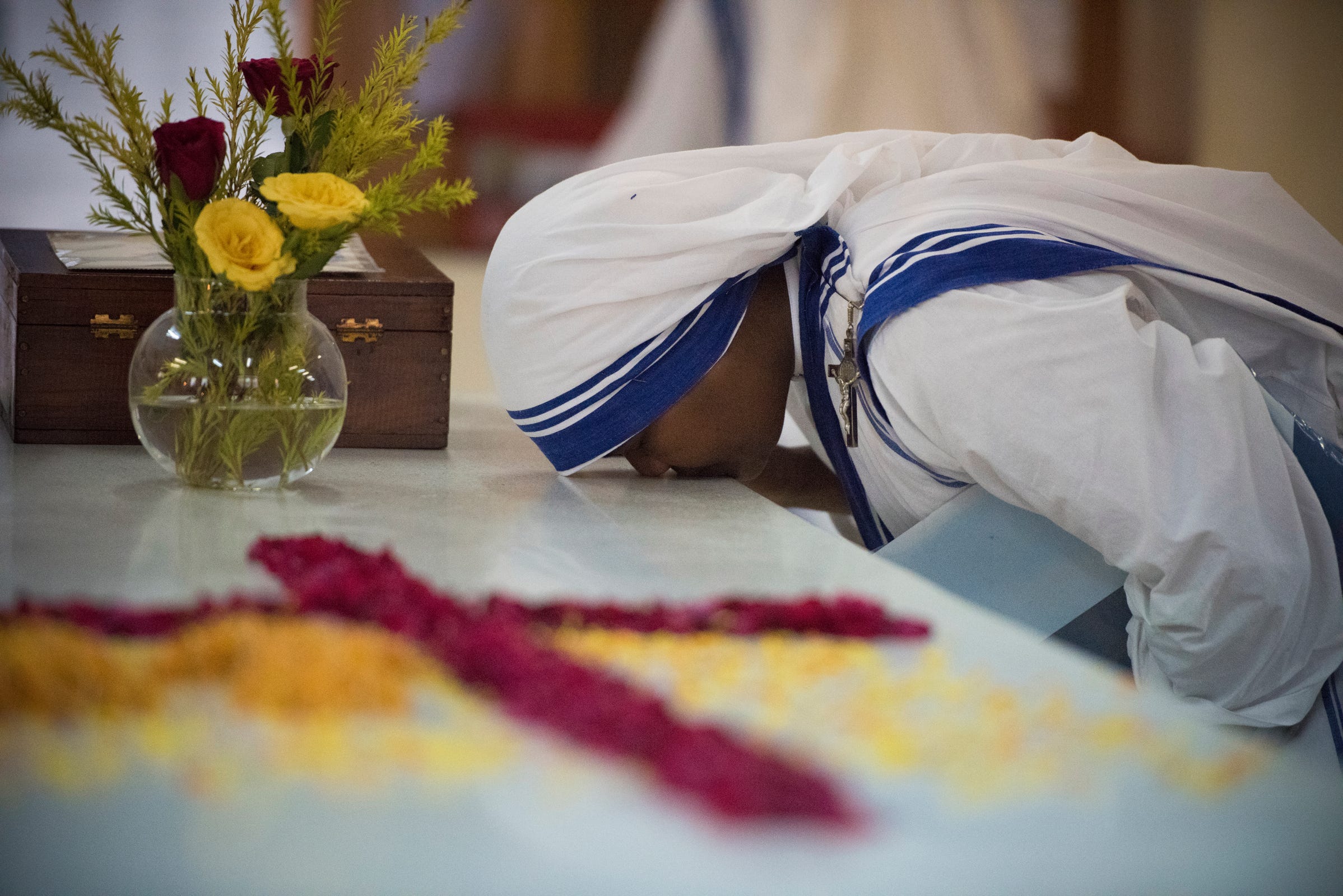
I attended early Mass near Mother Teresa’s tomb. I accompanied the Sisters into their homes. I watched them care for children, adults, the sick, and people approaching the end of their lives.
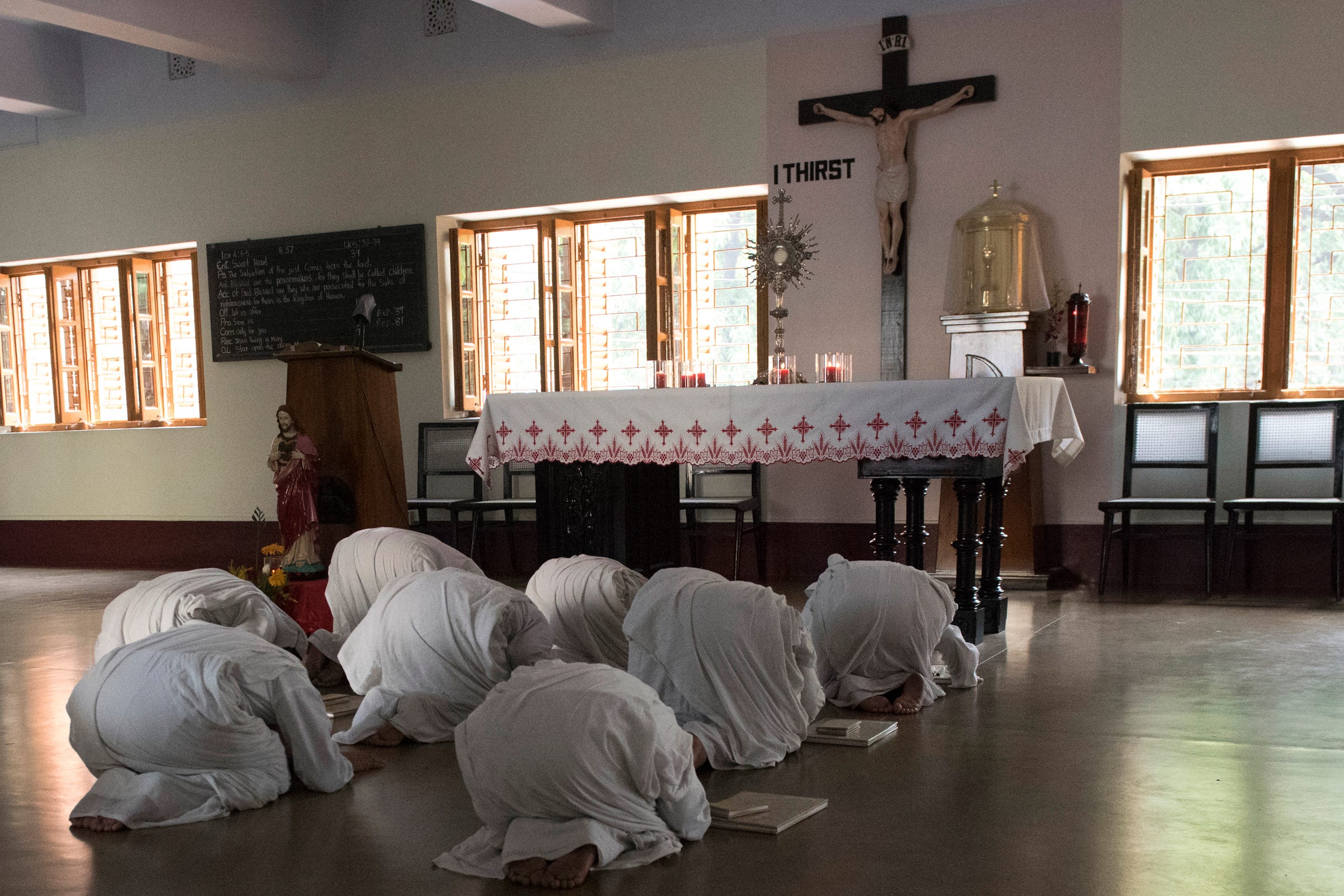
At first, Calcutta had overwhelmed every one of my senses. There was the heat, the smell, the traffic, the crowds, and poverty on a scale I had never witnessed.
But slowly, something changed.
I began raising my camera less often.
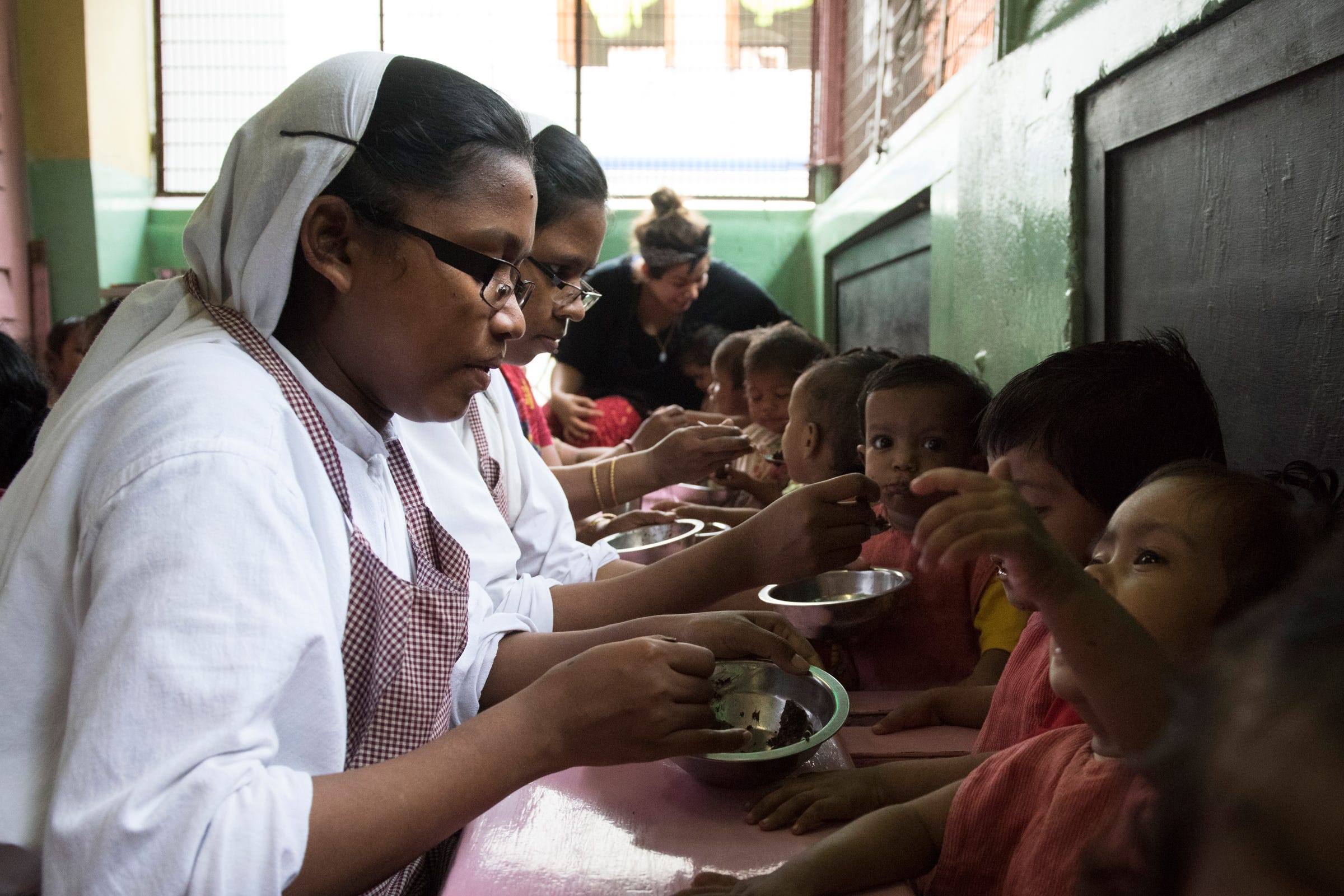
The Sisters didn’t deliver speeches about love. They simply loved the person standing before them. Again and again, I watched them give themselves completely to whoever needed them at that moment.
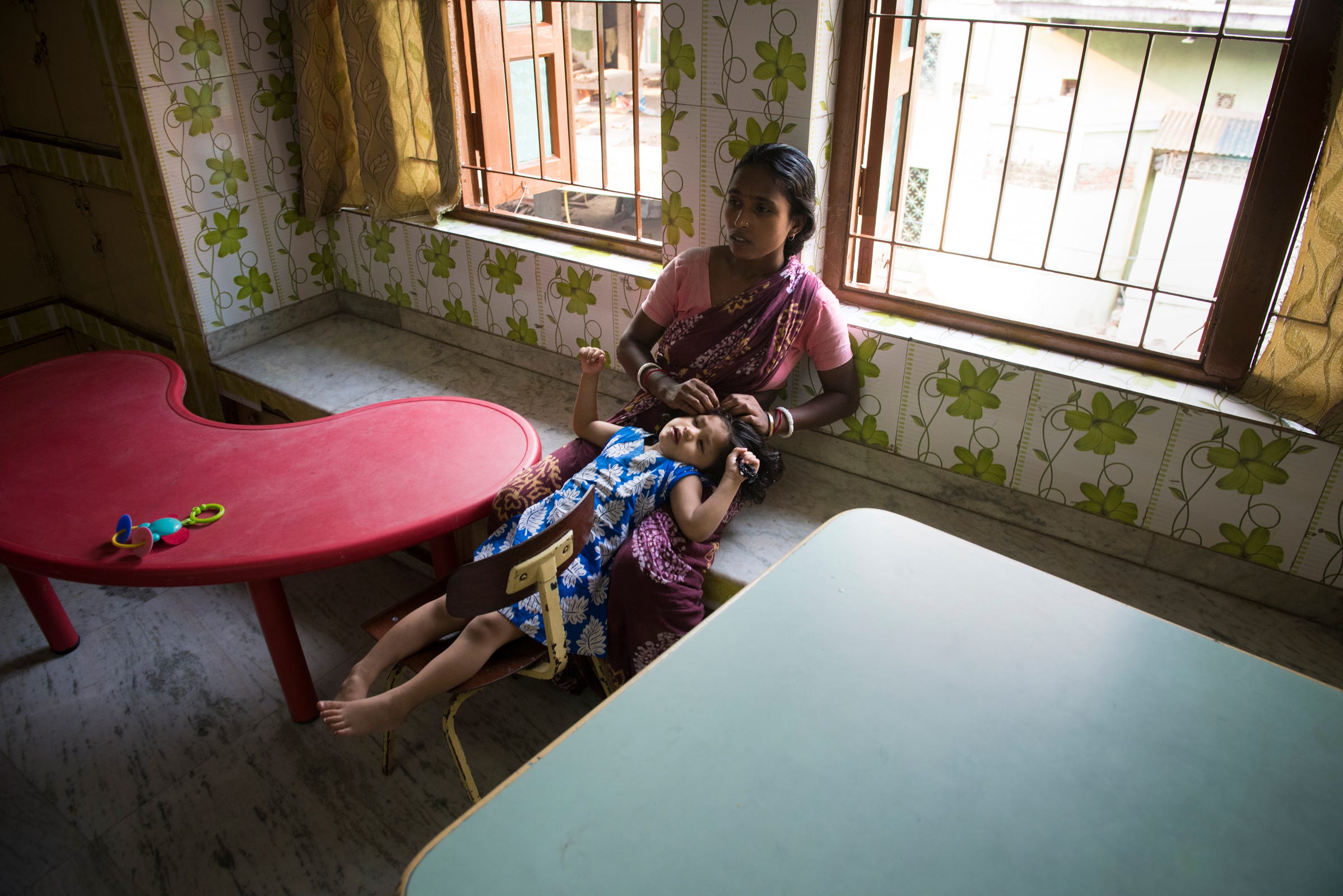
The longer I watched, the less satisfied I became with remaining merely an observer.
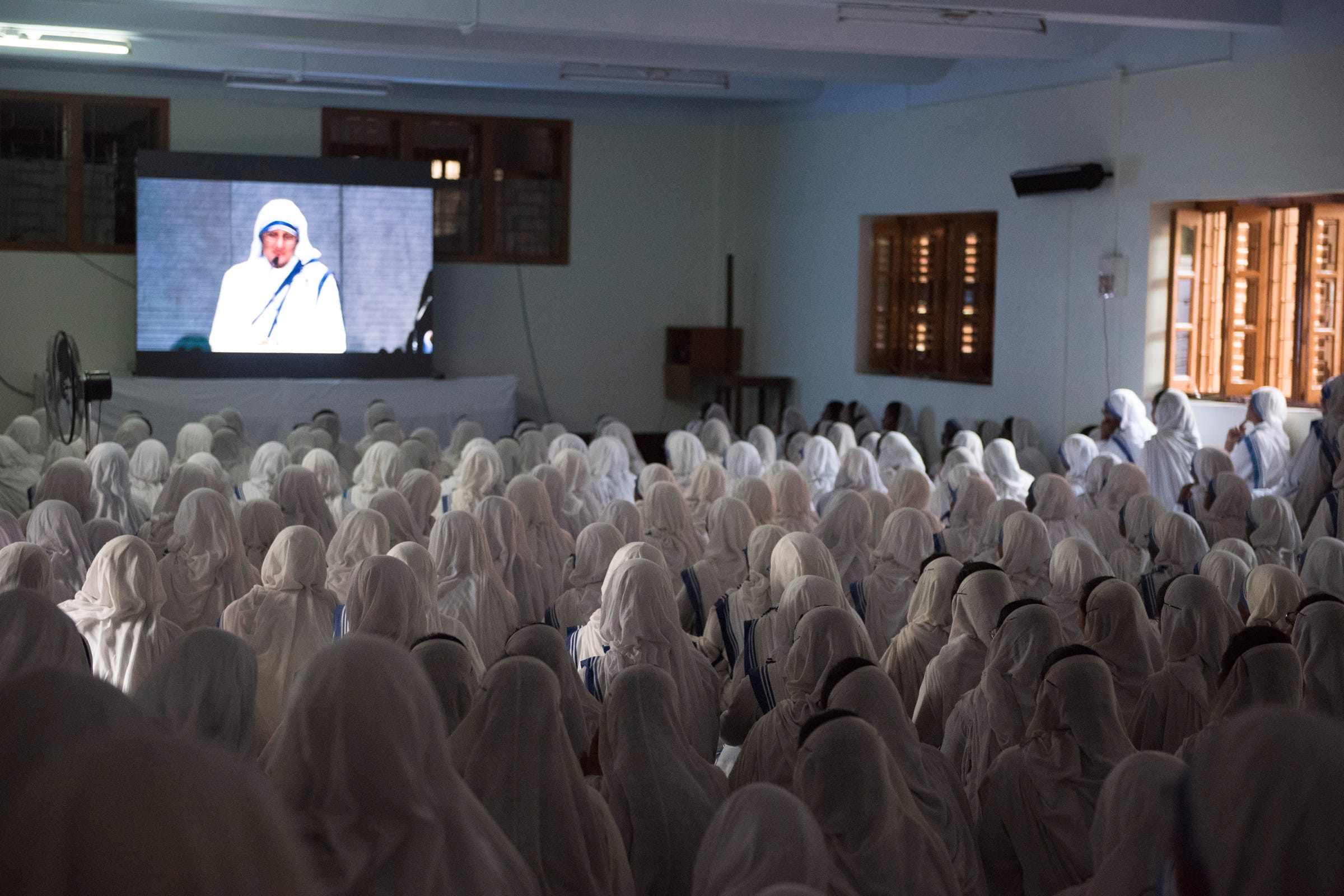
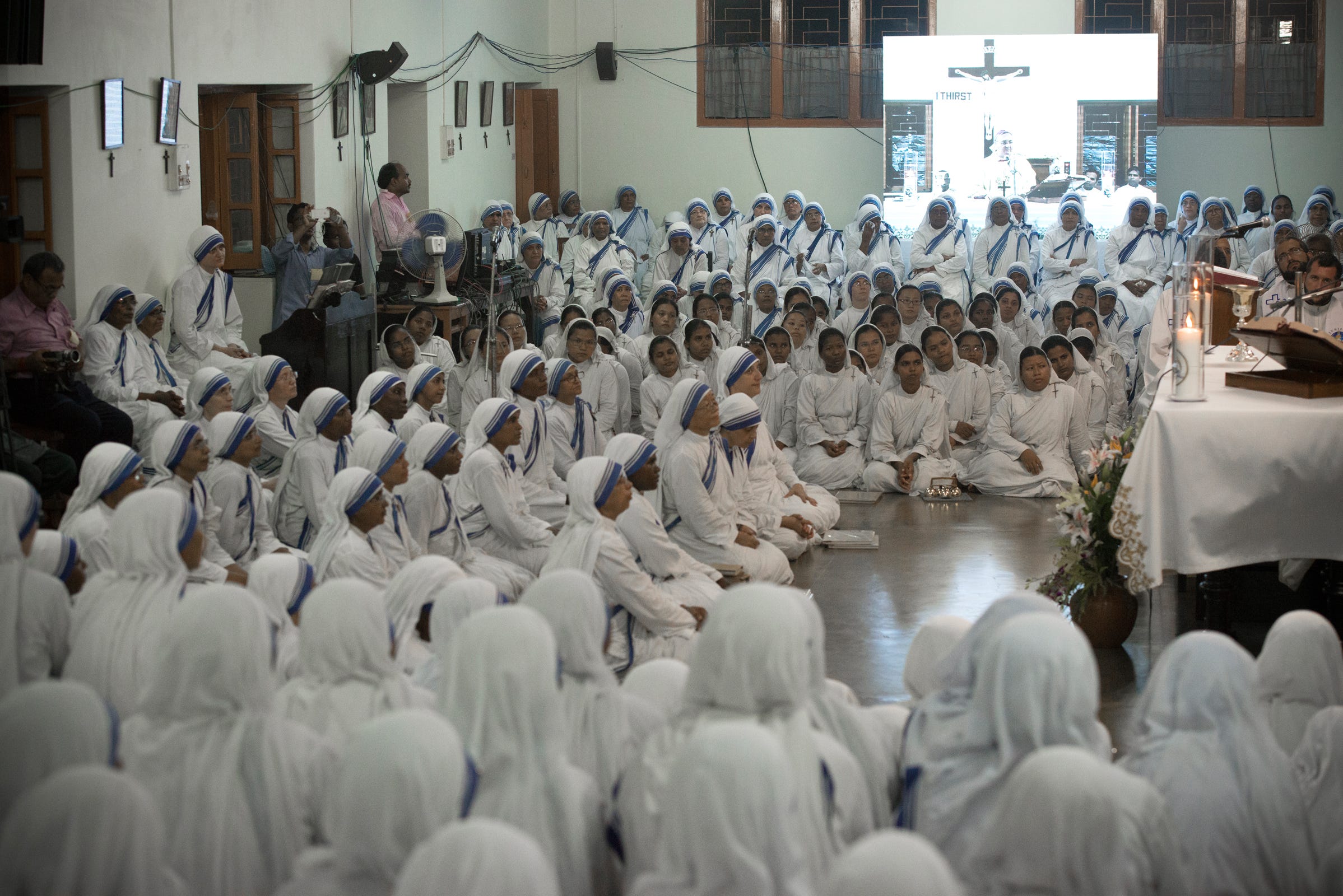
On September 4, Pope Francis canonized Mother Teresa in St. Peter’s Square. In Calcutta, the entire city seemed charged with electricity. Sisters arrived from across India, and the chapel at Mother House filled for Mass beside Mother Teresa’s tomb.
Rome had St. Peter’s Square and the formal proclamation. Calcutta had the rooms she had walked, the streets she had traveled, and people who still spoke about her as someone they had known and loved.
That morning, at least to me, Rome had nothing on that room.
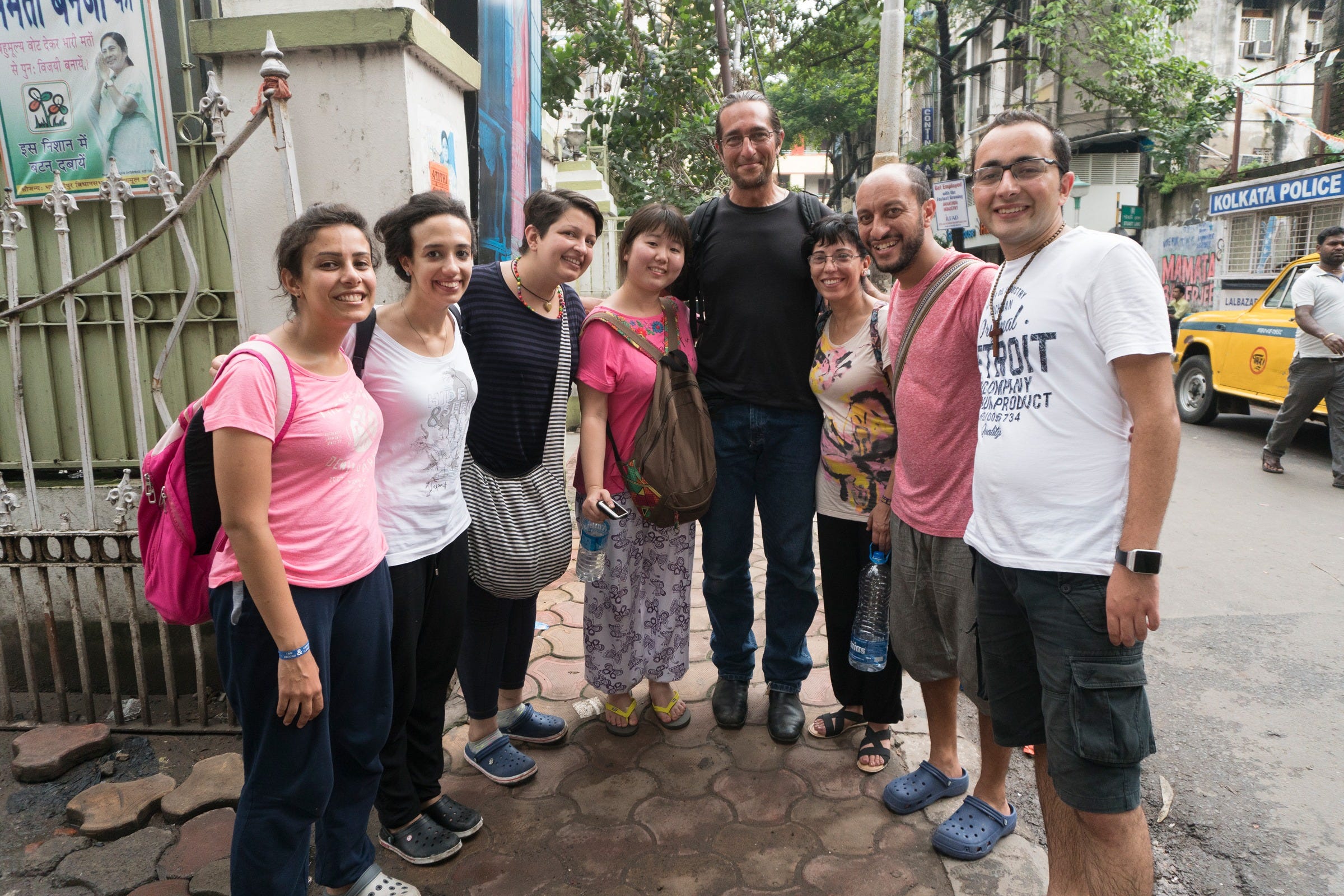
Once the celebrations ended, I had four days remaining in Calcutta.
So, I locked my camera gear in the safe at the hotel and showed up to volunteer.
दिनभर थका मन - Dinbhar Thaka Mann
We were shipped off to a place called Nirmal Hriday, which translates to Pure Heart, the first home Mother Teresa had founded. It’s a hospice for the dying destitute, a place where the poorest of the poor go to die. Mother Teresa had envisioned a place where those who had suffered their entire lives would find love and comfort during their final days.
The bodies of the dying men lying on their cots reminded me of photos I’d seen of Auschwitz. The jobs… bathing broken bodies, cleaning bedsores, removing maggots from wounds, among others…
A Sister handed me a small cup of water and two pills, instructing me to give them to a man lying on a cot nearby. And I’m like, “Okay, and then what should I do…” She smiled at me and said, “Just do that first.”
As I approached him, his eyes followed me. His face was covered by leathery skin etched with deep lines from a life lived in the alleys of India. He stared at me through squinted eyes. I knelt beside his cot and looked at him. He was dying.
I handed the pills to him, and he just stared at me. I touched his hand with the paper cup of water, and he made fists with his hands. I gently pressed one pill against his lip, which made him purse his lips. I was beginning to understand why the Sister hadn’t given me anything else to do.
Eventually, I gave up. Instead, I sat with him, speaking about anything and everything to pass the time. He sat in silence, studying me. His eyes would react when I would say certain words. I had no idea whether or not he understood anything I was saying.
After being there for nearly three hours, the Sister called the volunteers to assemble to depart. And the man’s eyes grew wide. And he smiled at me. And gestured for the pills.
It was never about the pills.
I smiled back. And his eyes began to tear. I finally understood.
He just didn’t want to be alone.
छोटा लड़का - Chhota Ladka
Our next “assignment” was at a home on the southern end of Calcutta at Daya Dan, a home for younger disabled children. I went with a group of other volunteers who were heading there. The Sisters greeted us and handed out our jobs. Mine was laundry.
I washed diapers and bedsheets in these enormous concrete vats with some kind of industrial-grade soap that felt like it could strip paint. Other volunteers were tending to the children. Feeding them, entertaining them, playing with them. I was a little bummed.
When the laundry was done, everyone was already gathered in a large cinderblock room for “movie time.” They had about 40 kids surrounding an old, perhaps 20-inch TV. The kids were all gathered up with the other volunteers. And I was alone.
I walked out of the room to get a drink of water. The room I entered was dark, but I could see a large round table in the corner. And on it lay a kid, face down, spread-eagle, probably about six years old. I thought, “This is interesting.”
So, I poked his arm. Nothing. I poked it again. Nothing. One more time…
The kid leaped off the table and wrapped his arms around my neck so tight I thought I’d choke, his legs wrapped around my waist. He aggressively grabbed and felt my face. I realized that he was blind. I had a kid literally stuck to me.
There were some chairs in the movie room, so I figured maybe we could sit. He began to relax, and then he curled up on my lap and nuzzled his face into my chest. His arms were still wrapped around me. Every few minutes, he’d reach up to feel my face. The weight of his tiny body left a feeling I’ll never forget.
Eventually, he completely melted into my arms… as if he was my child… as if I was his father…
I can’t tell you very much about him, not even his name. I can only tell you what it felt like to hold him… and to be held by him.
Ten years later, I can still feel the exact weight of that little boy resting in my arms.
At this point, you might expect me to encourage you to buy a plane ticket and head to Calcutta. But no, that’s not what this is about. Forget that the crime rates are off the charts. Or that you can barely breathe the air. There’s a more important reason. And it’s from Mother Teresa herself.
She said, “Stay where you are. Find your own Calcutta, find the sick, the suffering, and the lonely, right where you are — in your own homes and in your own families, and in your workplaces and in your schools.”
Where is your Calcutta?
We don’t have handicapped infants left to die on the street. But we have the horror of abortion. We don’t have lepers with half-eaten-away bodies rejected by society. But we do have those who are homebound or in hospitals or nursing homes, alone and forgotten.
We don’t have material poverty, with entire communities living in boxes or eating from landfills. But we have spiritual poverty. To quote Mother Teresa:
“The spiritual poverty of the Western World is much greater than the physical poverty of our people. You, in the West, have millions of people who suffer such terrible loneliness and emptiness. They feel unloved and unwanted. They know they need something more than money, yet they don’t know what it is. What they are missing, really, is a living relationship with God.”
It’s this underlying spiritual poverty that’s responsible for the divisions, mass shootings, suicides, and despair that are tearing the fabric of this nation apart. It’s this spiritual poverty that’s led to the loss of our Catholic identity and culture.
But we can change that.
Each of us is called, despite our doubts, fears, or sinfulness. Each of us can make a profound difference in the lives of others.
If there’s only one thing you take away from this, I’d pray it was this.
You matter.
Each and every one of you matters more than you know. You matter to your family, your community, and to this Spiritual Calcutta called America.
Never doubt that your words, your prayers, or your actions can change lives. Because they can. And they will. If only you pray them. Speak them. And act.
And acting, as I learned in Calcutta, is very often simply being present to another.
Thanks for reading! This is a truly independent, reader-supported periodical. Your support is crucial. If you are able, please consider a paid subscription or making a ‘Patron of the Arts’ donation of any amount. By doing so, you are not just supporting this effort; you’re a vital part of this mission.
You have my heartfelt thanks for your generosity and support, and please keep me in your prayers, and know of mine for each of you. God Bless, Jeff
Wow Jeff. This is one of the most touching posts I’ve ever read. I am going to pass this on to others. Thank you, dear sweet man.
Thank you Jeffrey. It is beautiful. I am forwarding to someone who does not know or admire Mother Teresa. I was privileged to hear her speak in St. Louis. My memory of what she said remains with me. It is: "Love. Give love." I think she would love what you have shown and said. I do. Heleen