

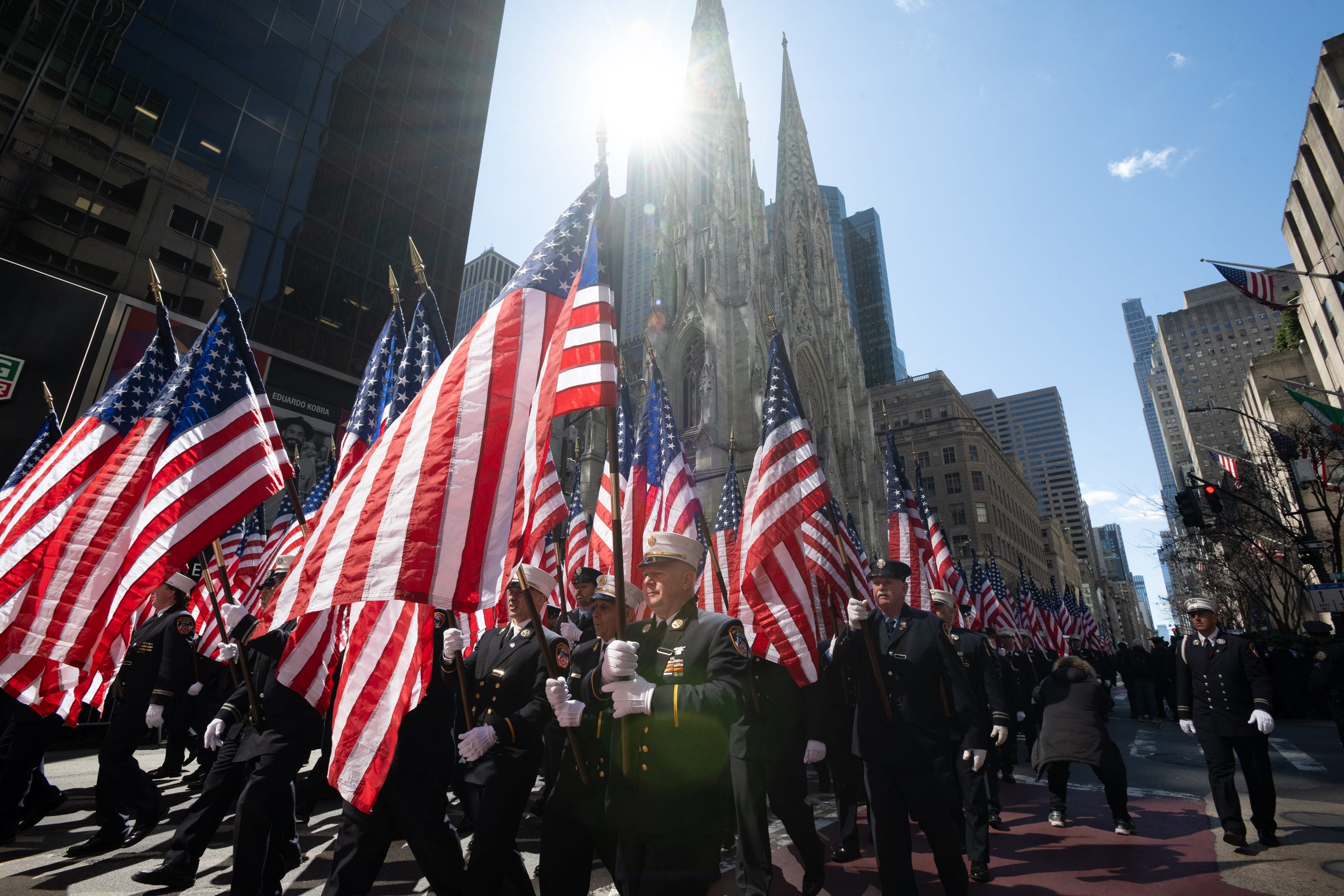
I’ll never forget the first time I covered the St. Patrick’s Day Parade.
I had no idea what I was doing. My camera was half broken, the lens had a mind of its own, and I had absolutely no credentials to speak of.
Most of the day was spent getting yelled at by police officers while I darted between barricades trying to capture something…anything.
And somewhere in the middle of that chaos, I fell in love.
The noise.
The history.
The drama.
This was New York City at its finest.
Only later did I realize what I had actually witnessed that day. Beneath the music and celebration was something much older than the parade itself—a tradition that begins not in the streets, but at the altar.
Because on St. Patrick’s Day, the celebration of New York’s Irish heritage begins inside the cathedral.
With the life of a great saint.
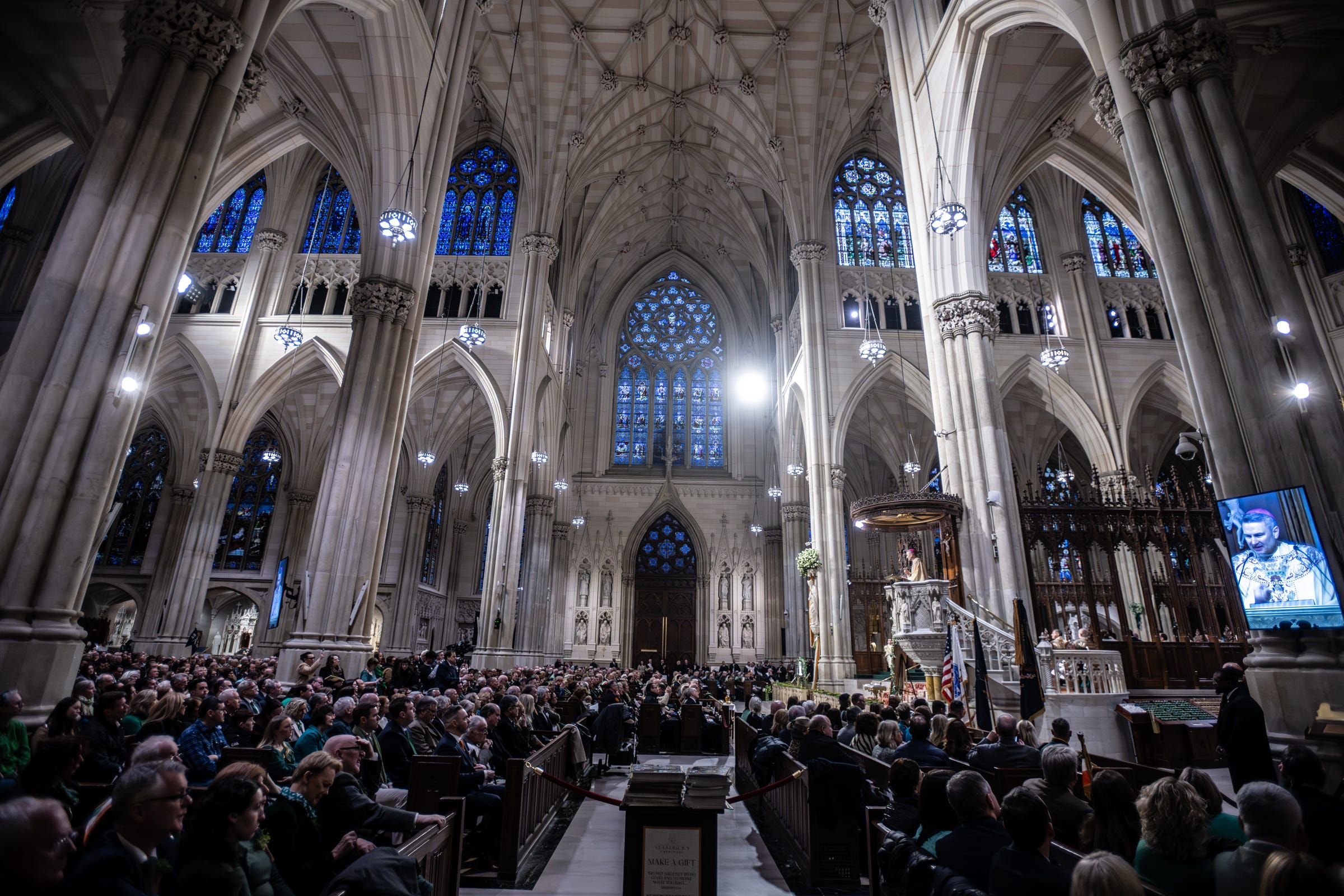
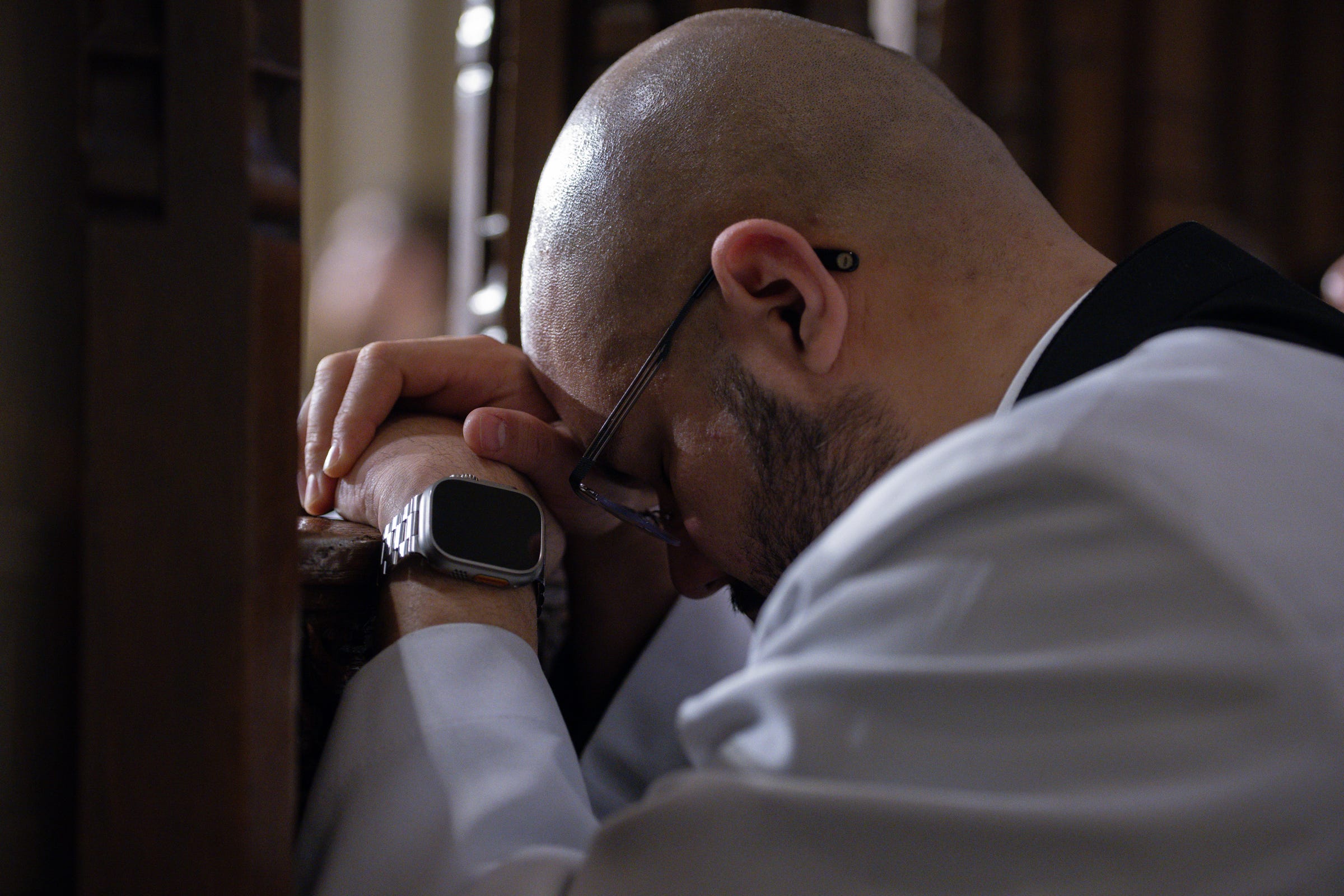
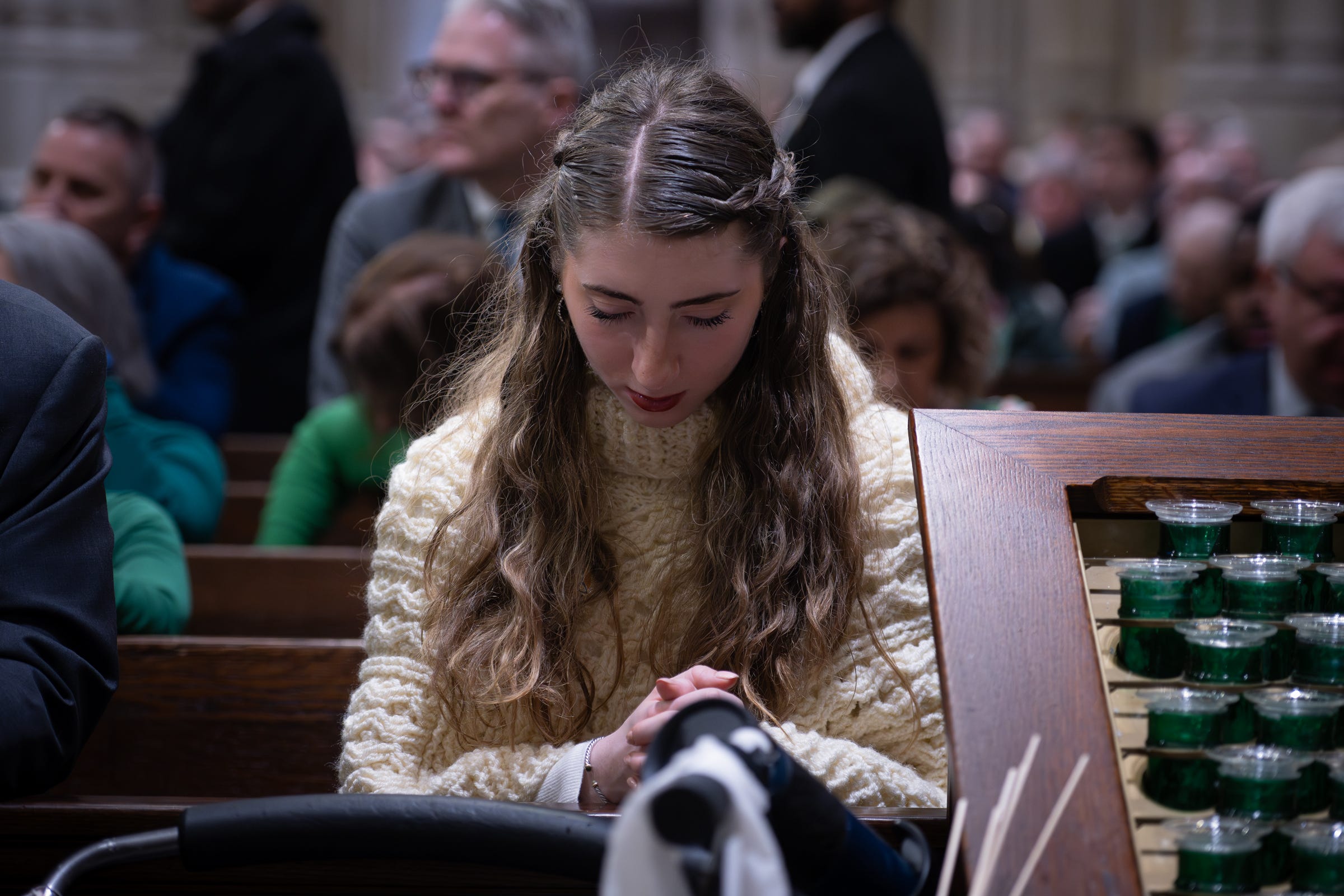
Long before the first bagpipes sound, the faithful gather beneath the soaring vaulted ceiling of St. Patrick’s Cathedral for the Feast Day Mass honoring Ireland’s patron saint. Sunlight filters through the stained glass as the liturgy unfolds. Prayers, Scripture, and hymns that have echoed through the Church for centuries.
And then comes the moment at the heart of it all.
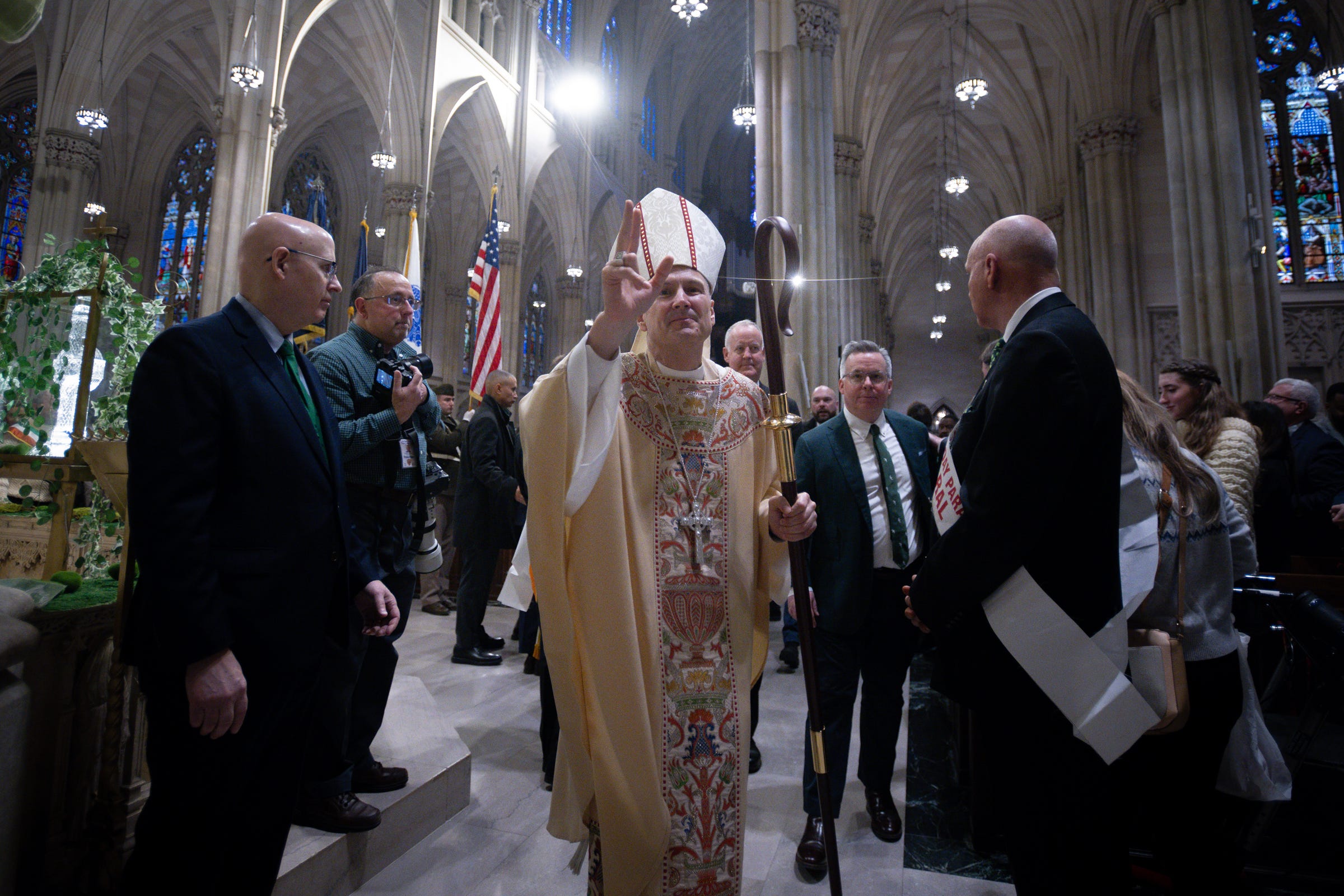
At the elevation, the bells ring softly and the Archbishop lifts the Host.
And Jesus Christ is present.
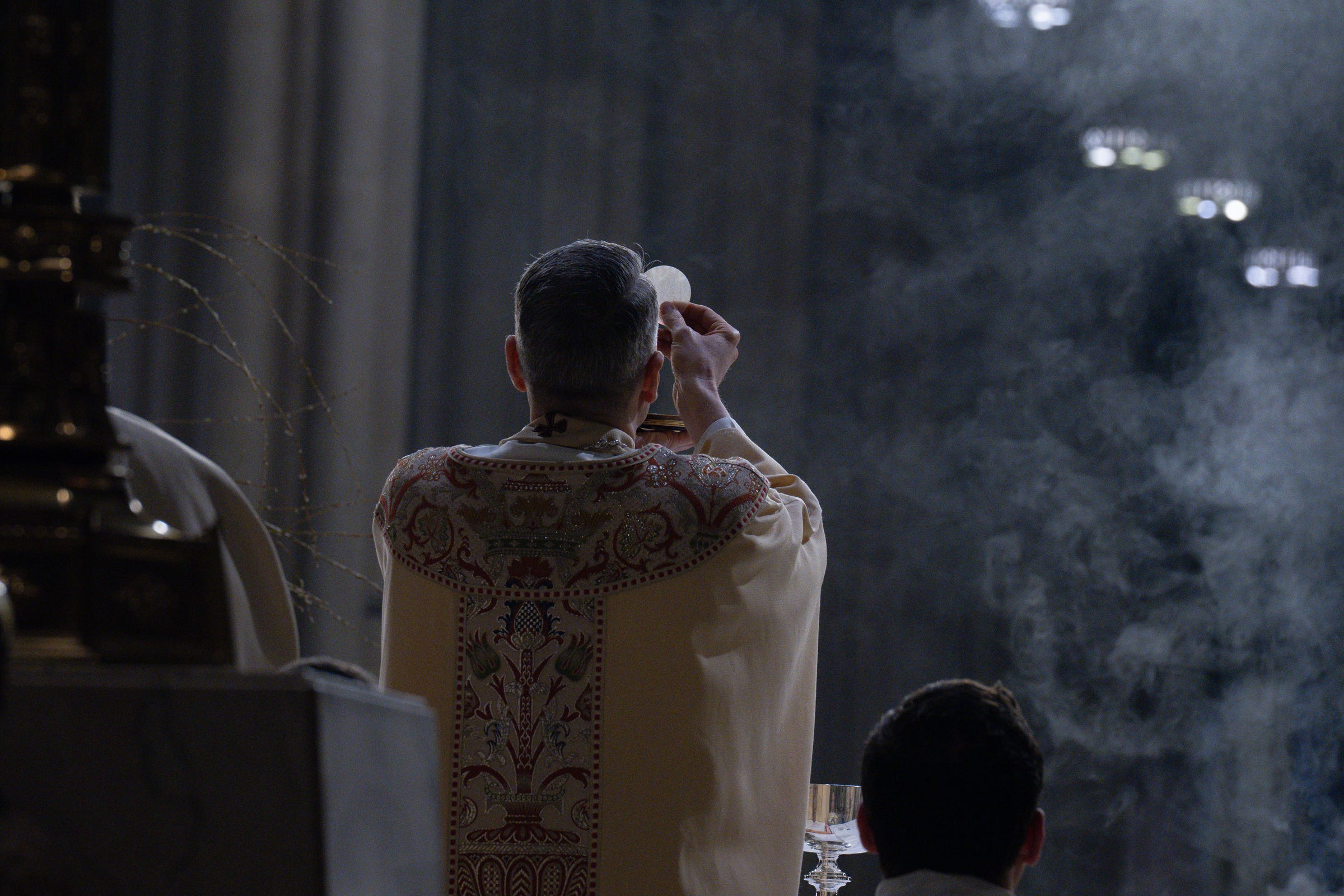
It’s the same mystery that missionaries like Saint Patrick carried to the edges of the known world — the proclamation that God entered history and remains with His people. The same Eucharistic faith that Patrick preached across Ireland fifteen centuries ago is celebrated again here in the heart of Manhattan.
Only after that moment, anchored in Christ, does the celebration spill into the streets.
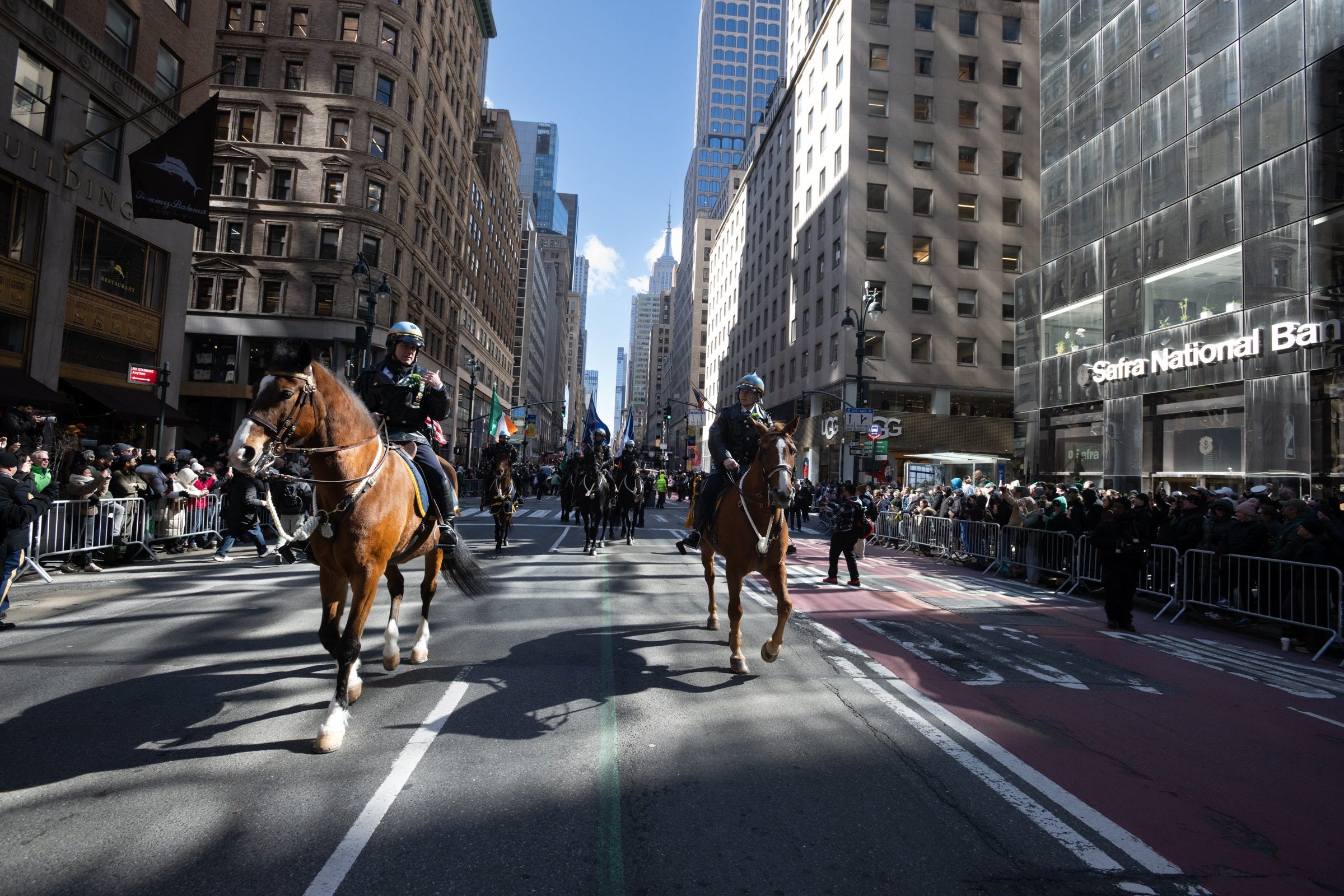
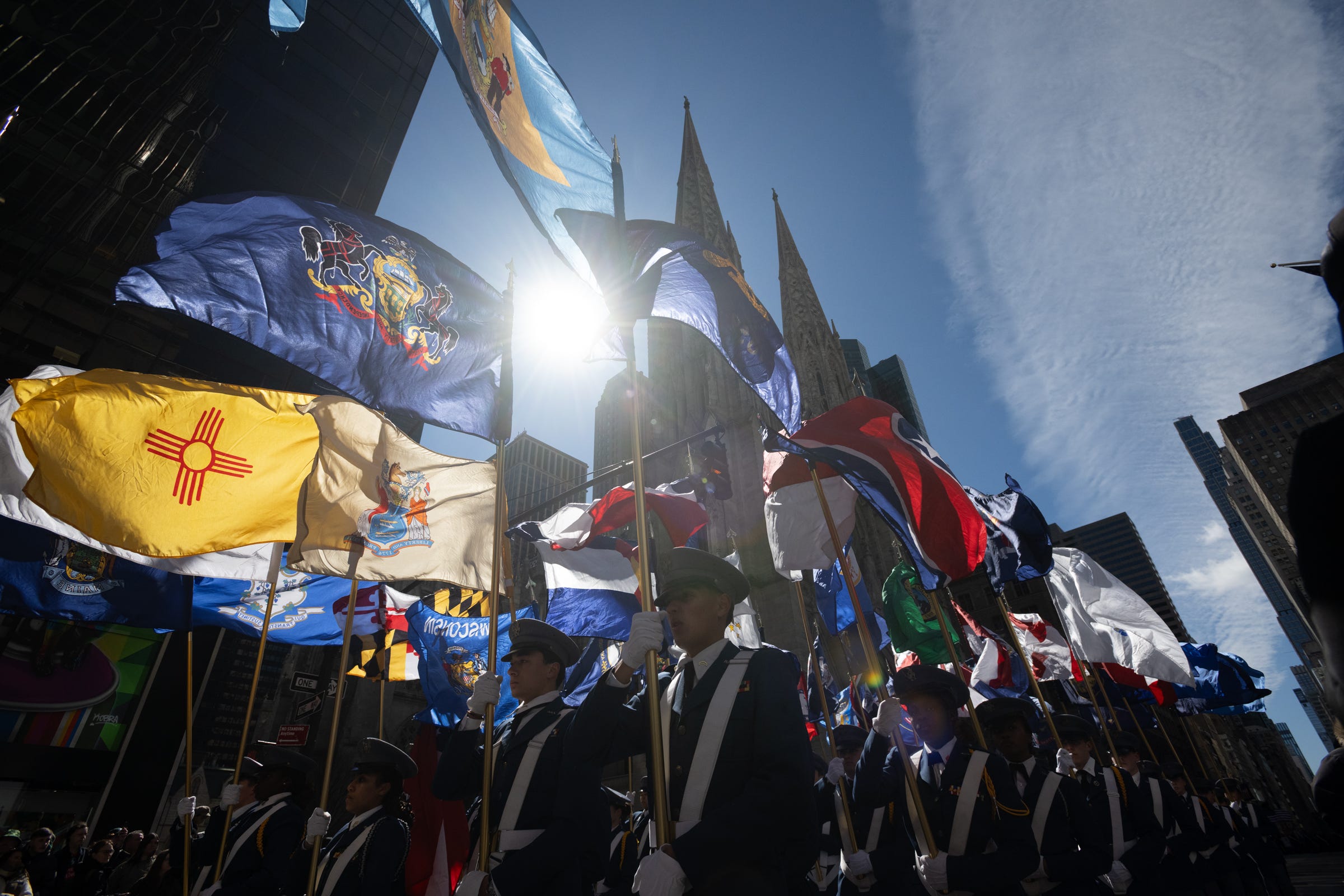
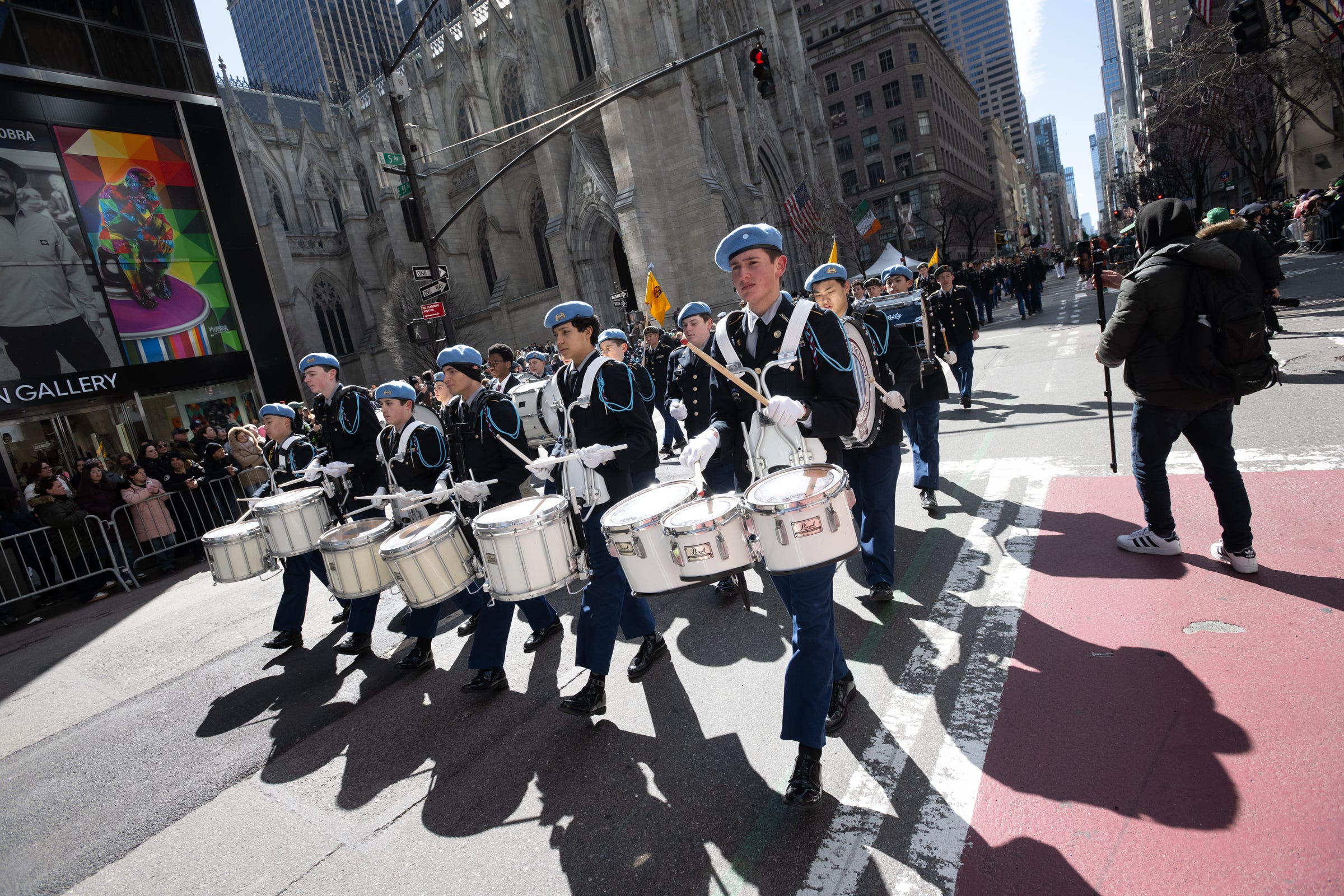
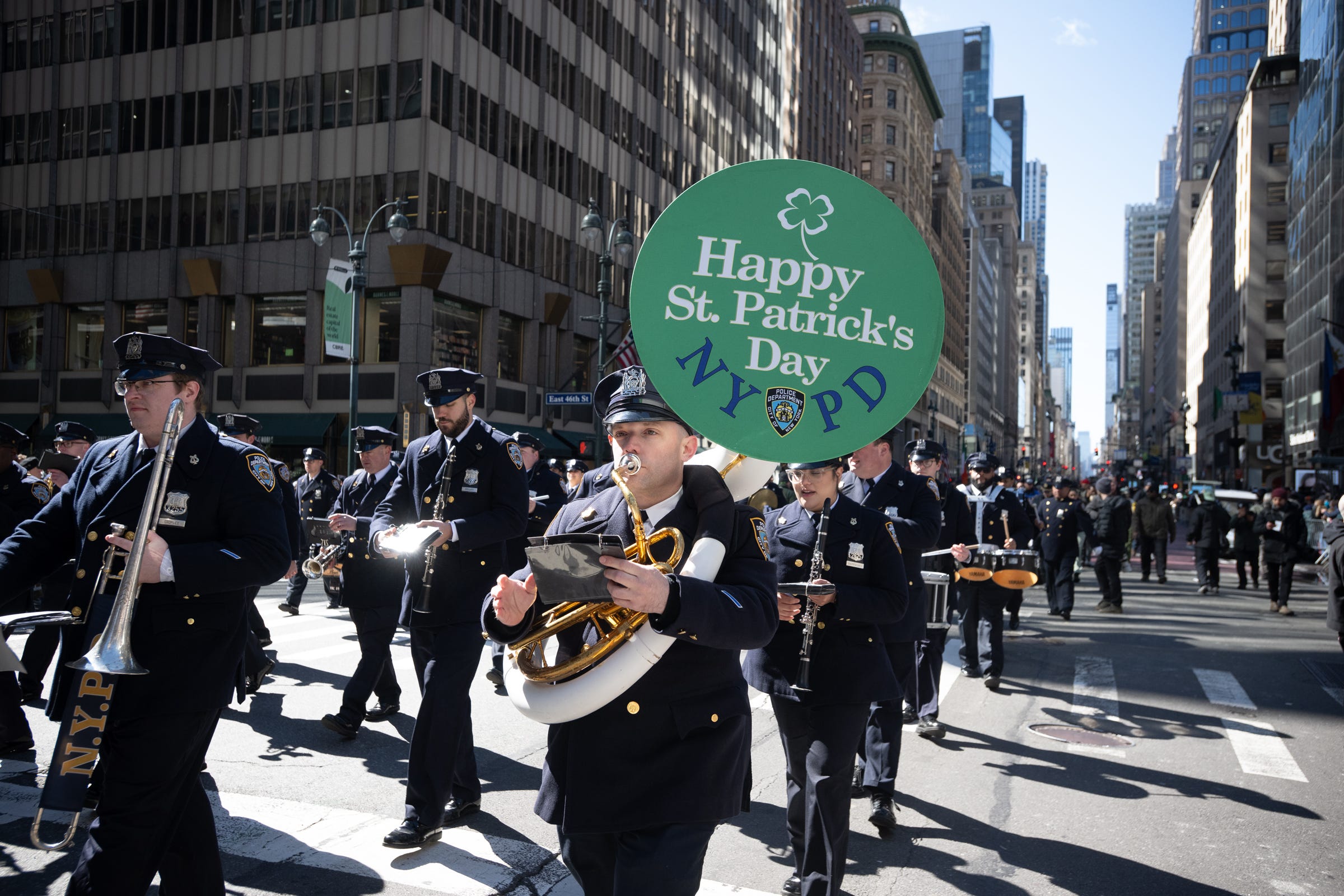
The congregation pours out of the cathedral doors, and Fifth Avenue begins to fill with the music, banners, and marching societies that define New York’s St. Patrick’s Day Parade.
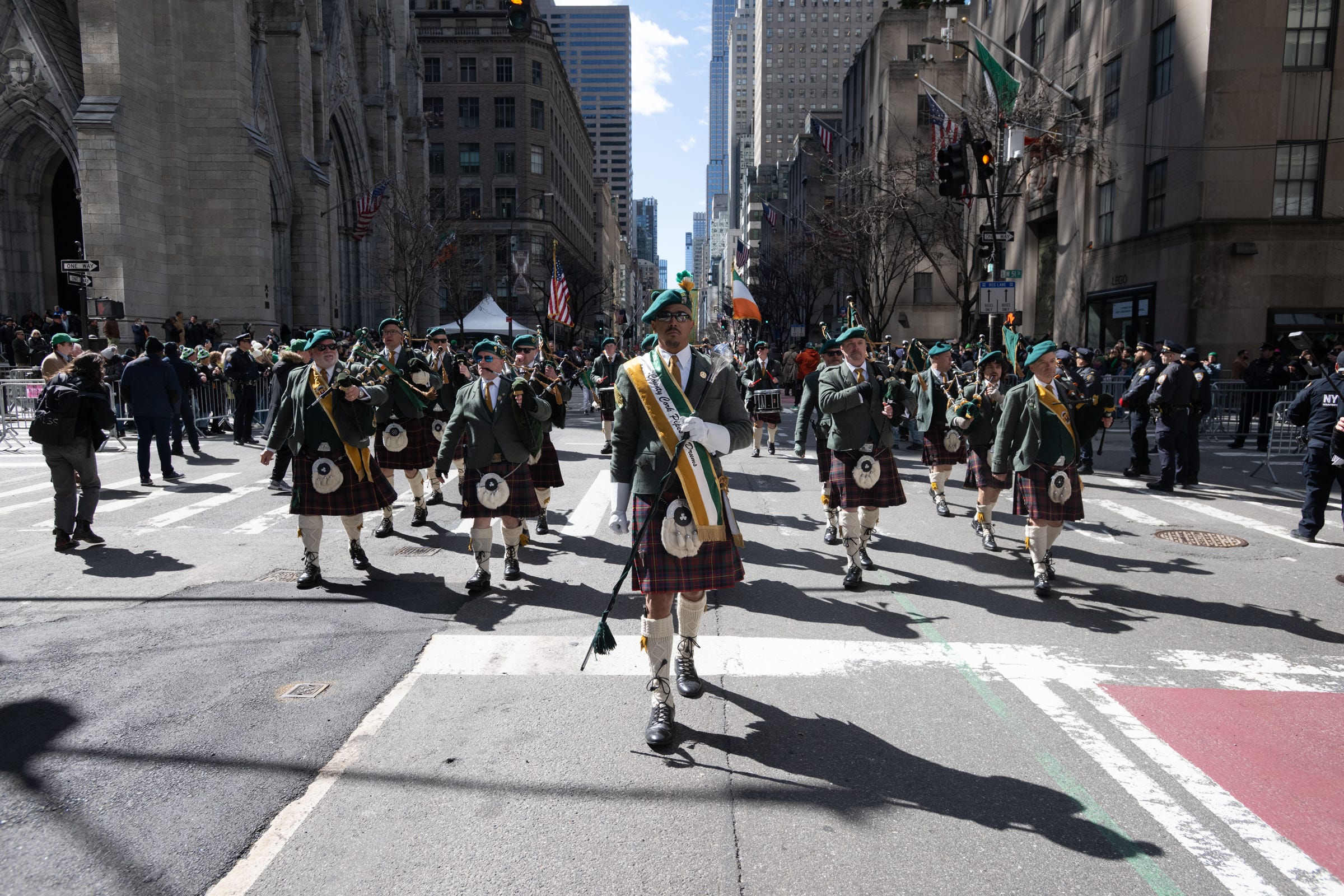
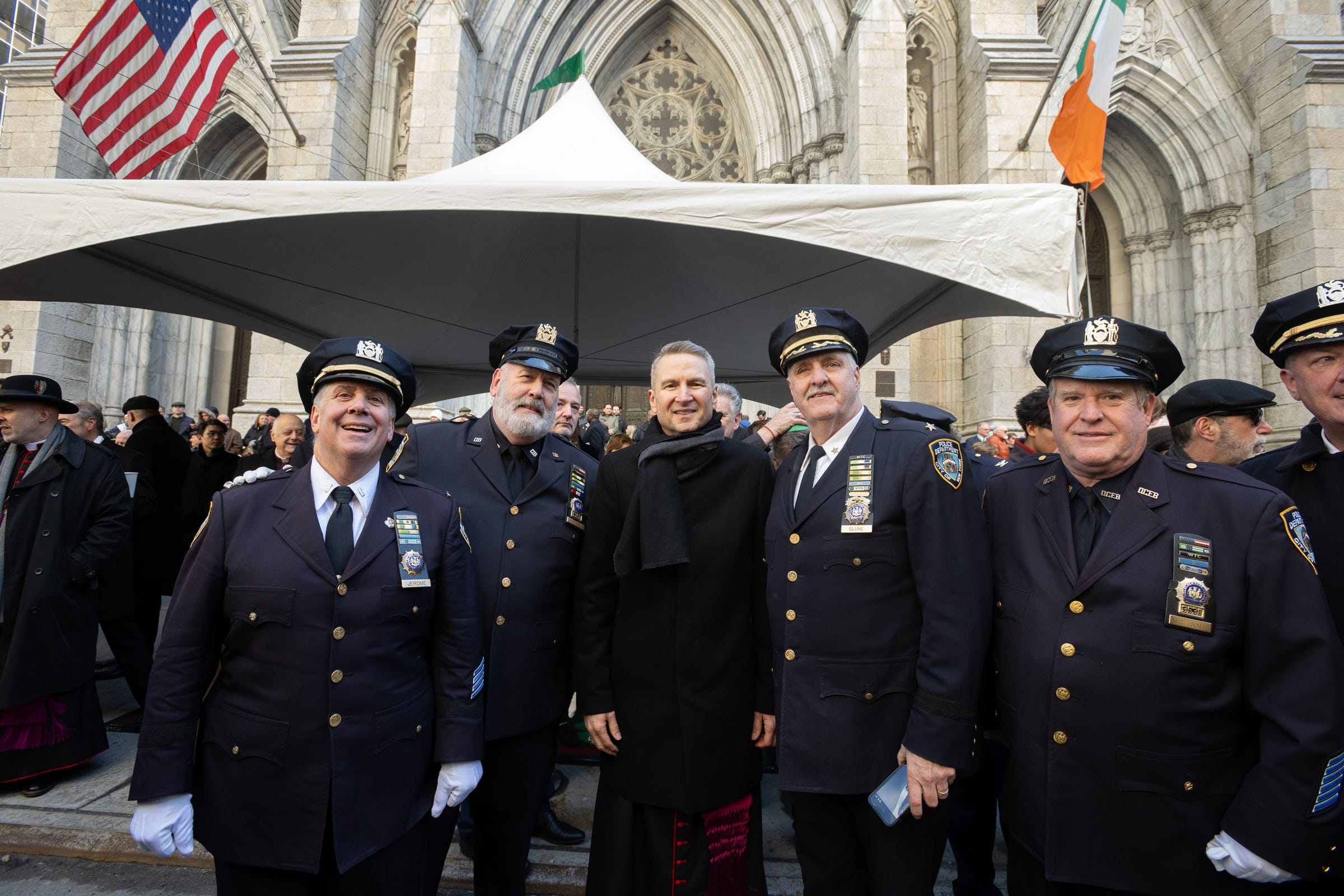
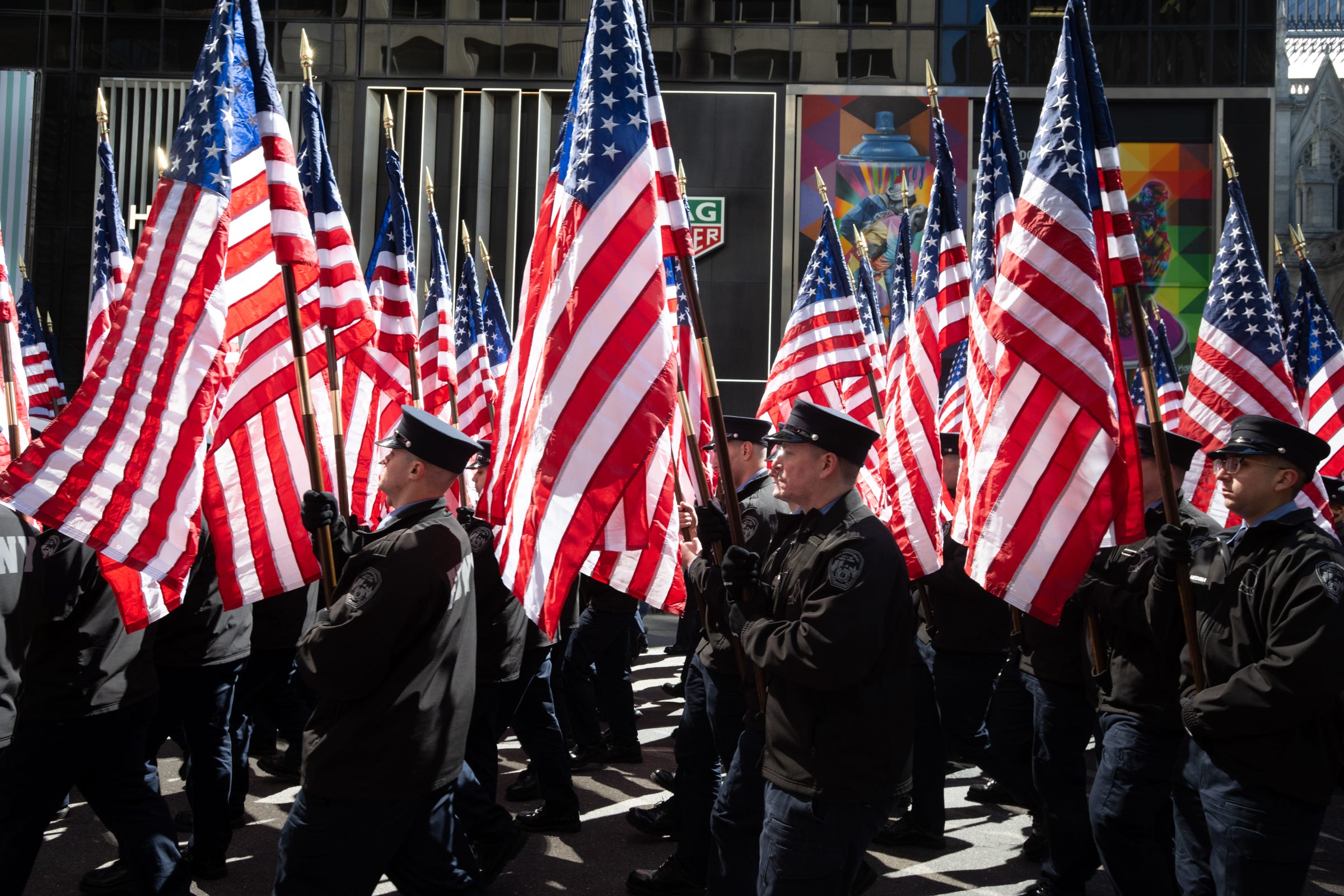
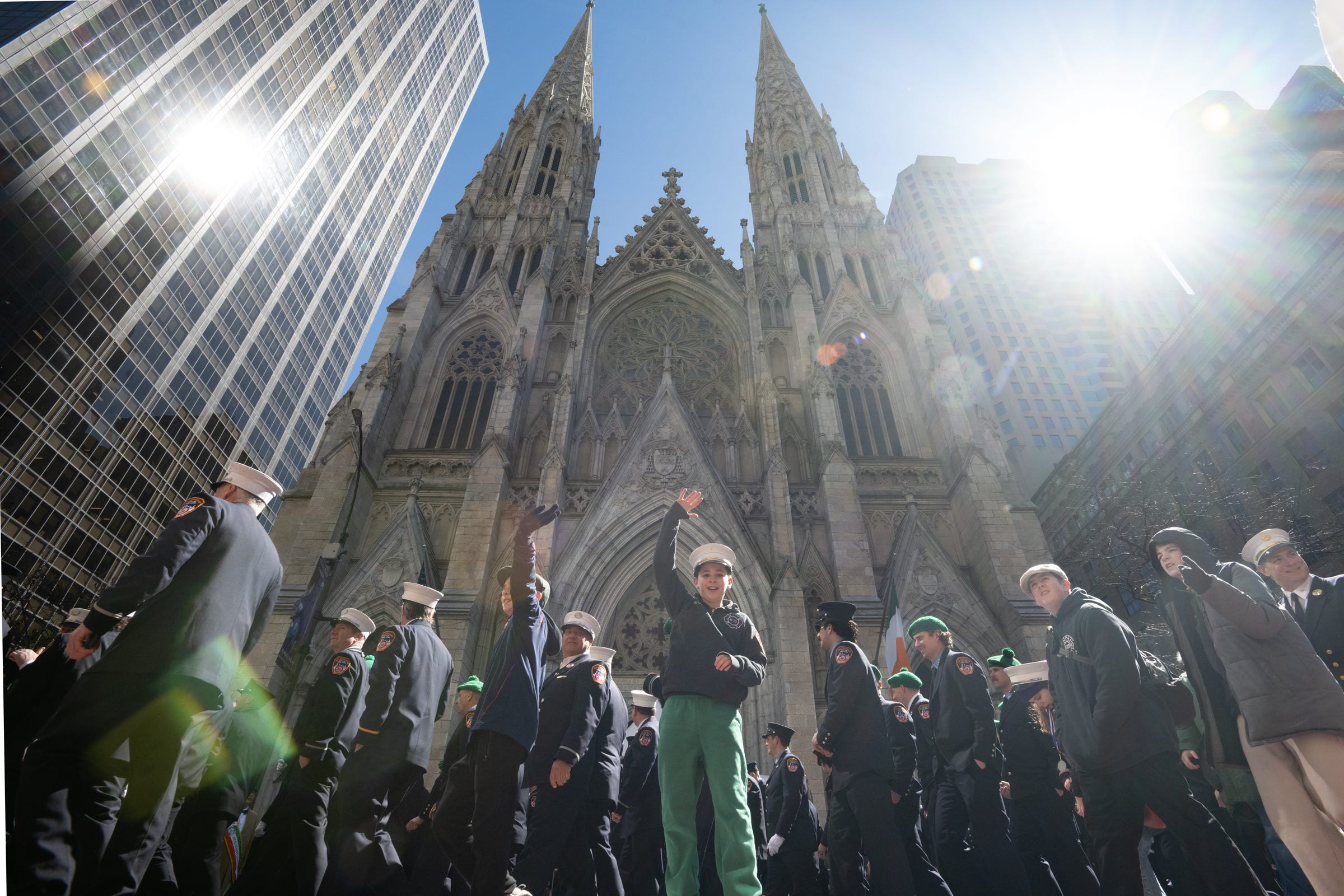
Schoolchildren march in pressed uniforms, clutching small Irish flags. Firefighters in dress blues stride proudly beneath banners carried by their companies. Bagpipers in dark tartan kilts send ancient melodies echoing between the glass towers.
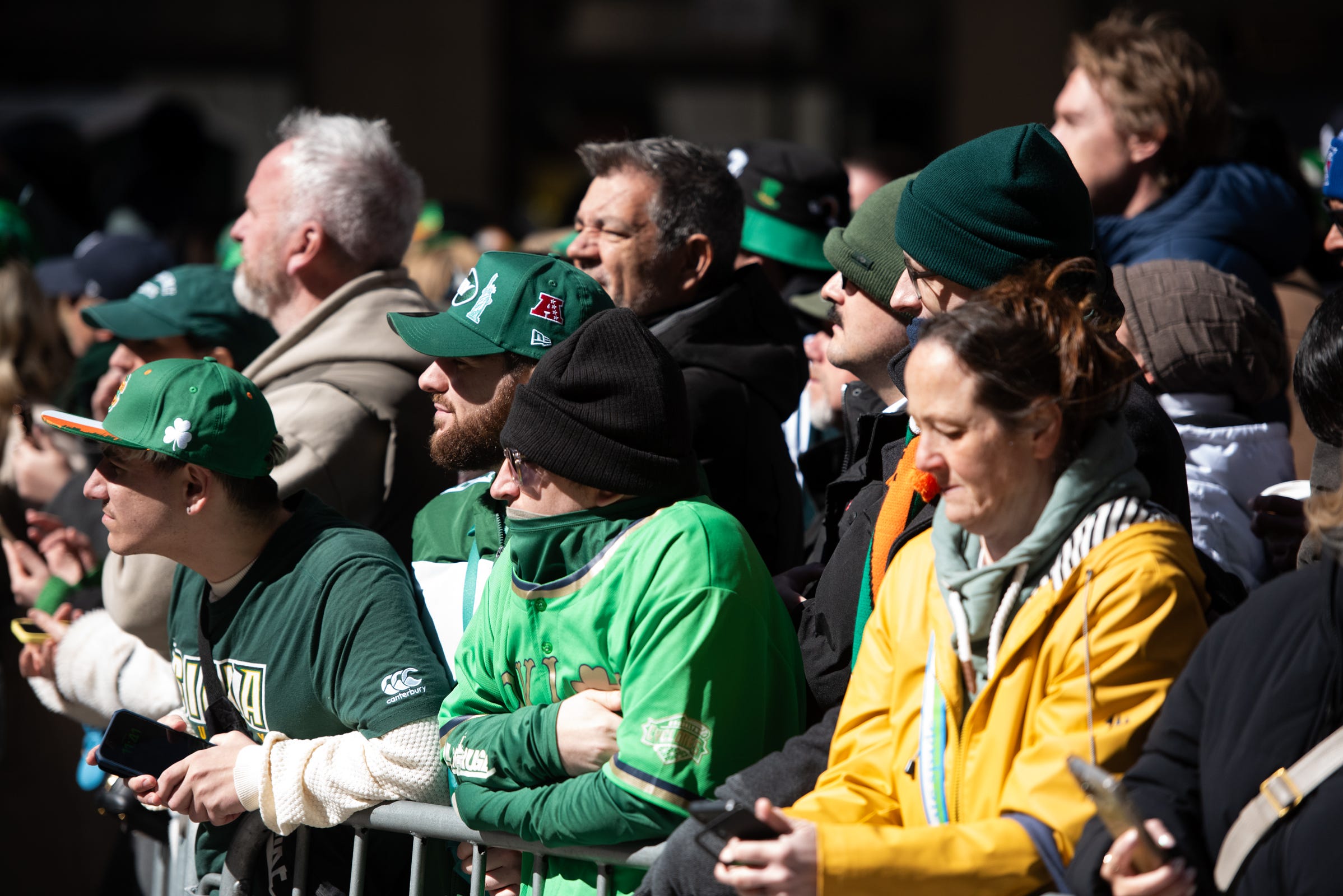
Families who have stood along this route for decades wave and cheer as each group passes.
And above it all, the twin spires of St. Patrick’s Cathedral rise quietly over the celebration, watching as they have for nearly a century and a half.
This year carries a quiet moment of newness as well. For the first time, Archbishop Hicks will take his place along the parade route, joining the long line of shepherds who have watched this tradition unfold beneath the cathedral’s shadow.
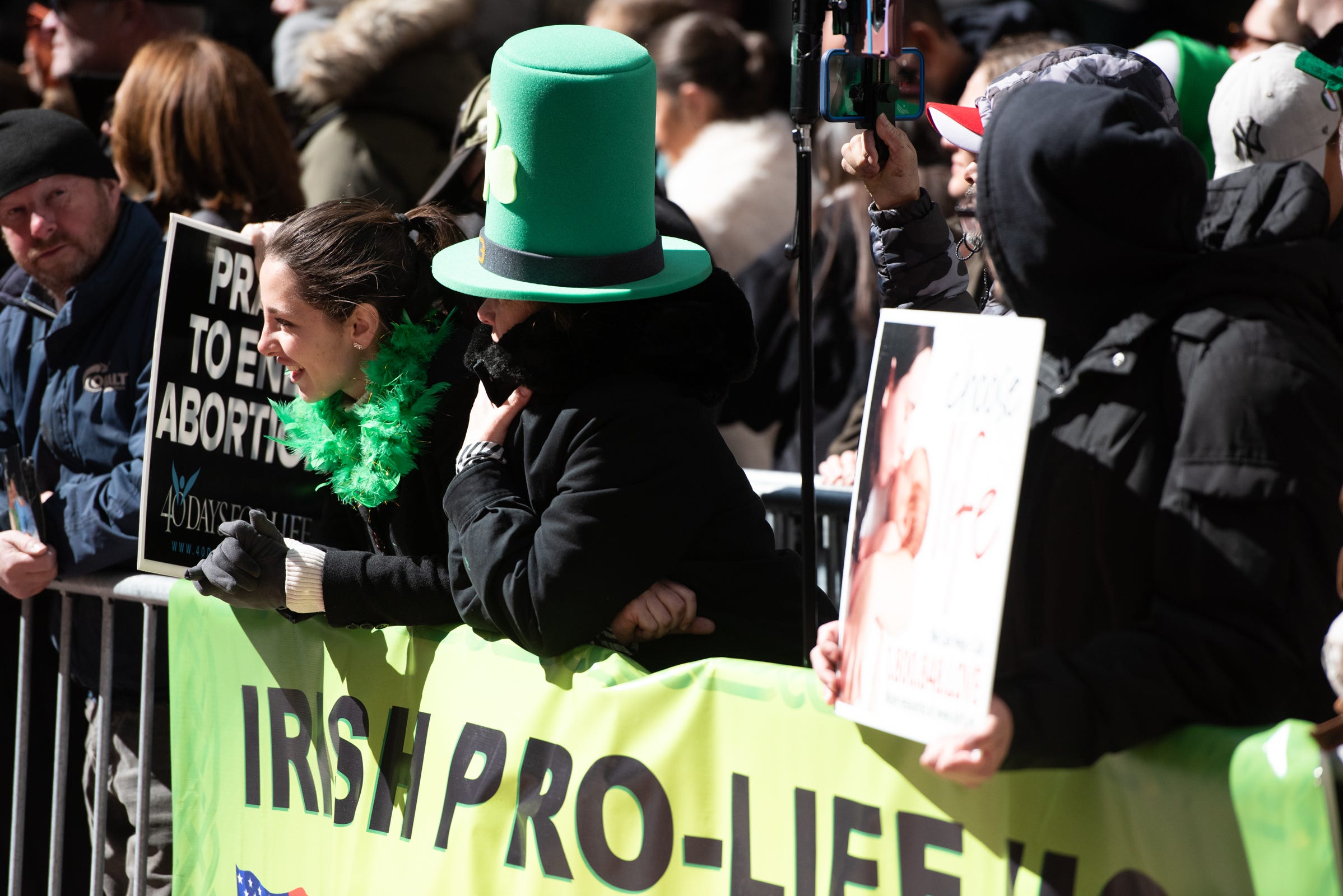
For many people today, St. Patrick’s Day means something far simpler.
Green hats and shamrock beads fill shop windows. Pubs overflow with revelers. Corned beef and cabbage appear on tables far removed from Ireland’s shores.
The missionary saint who once walked the hills of Ireland preaching Christ can seem almost hidden behind the celebration.
And yet saints have a way of refusing to disappear.
Long before the shamrocks and bagpipes, there was a man.
Fifteen centuries ago, Patrick returned to the land where he had once been enslaved. Instead of seeking revenge, he brought the Gospel. With courage that astonished even his contemporaries, he walked among the Irish people preaching Christ and baptizing thousands.
And against all odds, a nation was transformed.
Patrick never sought fame or celebration. In his own words from the Confessio, he described himself simply as “a sinner, a most simple countryman, the least of all the faithful.” Yet God used that humble missionary to change the course of a people’s history.
His legacy lives on not only in Ireland, but wherever Irish immigrants carried their faith.
Including here in New York.
What began in 1762 as a modest gathering of homesick Irish immigrants has grown into a tradition embraced by millions. More than 200,000 marchers now make their way up Fifth Avenue each year, cheered by crowds that stretch for blocks.
Yet beneath the music and celebration lies something deeper.
The parade is not just a celebration of heritage.
It’s a witness.
It begins at the altar… and then it walks into the streets.
Perhaps that is why the day feels different from the ordinary rhythm of the city.
Because for a few hours each year, Fifth Avenue becomes something closer to a pilgrimage route.
And as the bagpipes fade into the distance and the last marchers pass beneath the cathedral spires, the barricades begin to come down. Traffic creeps forward again. Manhattan returns to its familiar pace.
But for a brief moment, the city remembered something older than itself.
Behind the shamrocks and celebration stood a saint.
A man who loved Christ so deeply that he crossed an ocean of fear and hardship to proclaim the Gospel.
And if Saint Patrick could see the crowds filling Fifth Avenue today, he might recognize something familiar.
Not the parade.
The people.
A city still longing, as Ireland once did, for the Love and Mercy of Christ.
Thanks for reading! This is a truly independent, reader-supported periodical. Your support is crucial. If you are able, please consider a paid subscription or making a ‘Patron of the Arts’ donation of any amount. By doing so, you are not just supporting this effort; you’re a vital part of this mission.
You have my heartfelt thanks for your generosity and support, and please keep me in your prayers, and know of mine for each of you. God Bless, Jeff
Another beautiful essay Jeffrey. Thanks for telling it for us that could not be in NYC today. Joseph
I prayed St. Patrick’s Breastplate yesterday and was blessed in centering my attention in what the day is truly all about, as you have done here much more fully, Jeff. Thank you. The pictures are stunning—what beautiful light!