

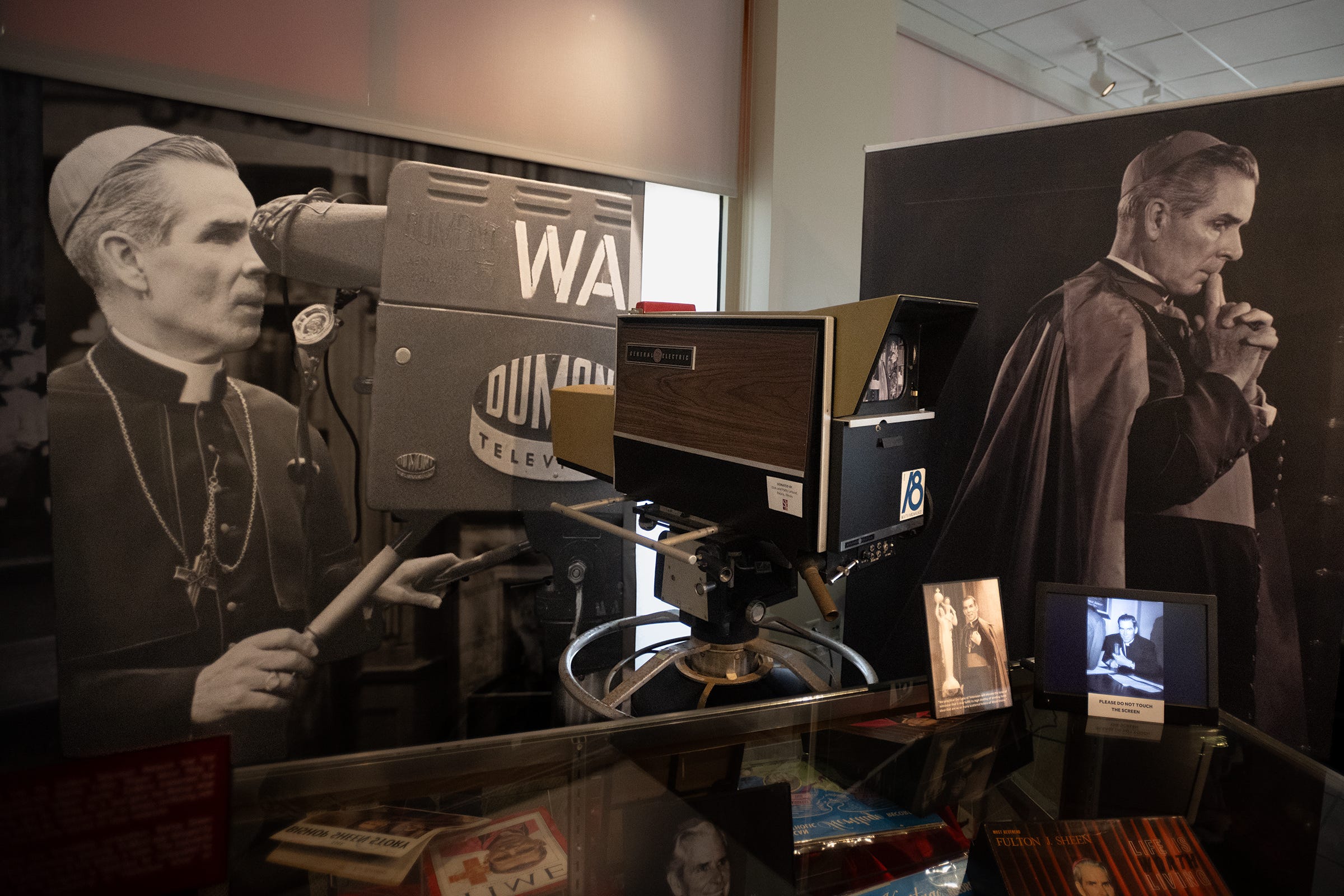
There are only a handful of things in life that terrify me.
Among them are being late for an assignment…and mail from the IRS.
One arrives in an envelope. The other usually involves the Belt Parkway.
Years ago, I was hired to photograph an ordination in Ozone Park, Queens. The GPS said two hours. So I allowed four.
Three and a half hours later, I was still ten miles away. Parked, as it were, on the dreaded Belt Parkway. I think they may have called it a “parkway” knowing how much time travelers would spend in “park” while traversing that nightmare of a road.
An ordination, understandably, doesn’t wait for the photographer.
I made it, white-knuckled, with about ten minutes to spare. And the experience left me with a healthy distrust of estimated arrival times and the added bonus of subtracting about two years from my life.
Which explains my reaction on Thursday morning, sitting at a gas station, watching the numbers on my GPS change.
1:10.
1:14.
1:17.
The car wasn’t moving. My arrival time was.
I was heading to St. Patrick’s Cathedral, where a first-class relic of Blessed Fulton Sheen would be received at two o’clock. I’d planned to leave at 10:30, but circumstances intervened, and I left closer to 11:30.
And now the GPS was casually informing me that traffic was building at an unnatural rate.
Of course it was.
But, thank God, it was just a scare and I arrived at 1:07.
Outside the cathedral, the sun poured onto the streets. It was eighty degrees, and New York was doing what New York does: people everywhere, everyone going somewhere. Dazzling rays bounced between mirrored windows, making it feel as though the sunlight was coming from every direction.
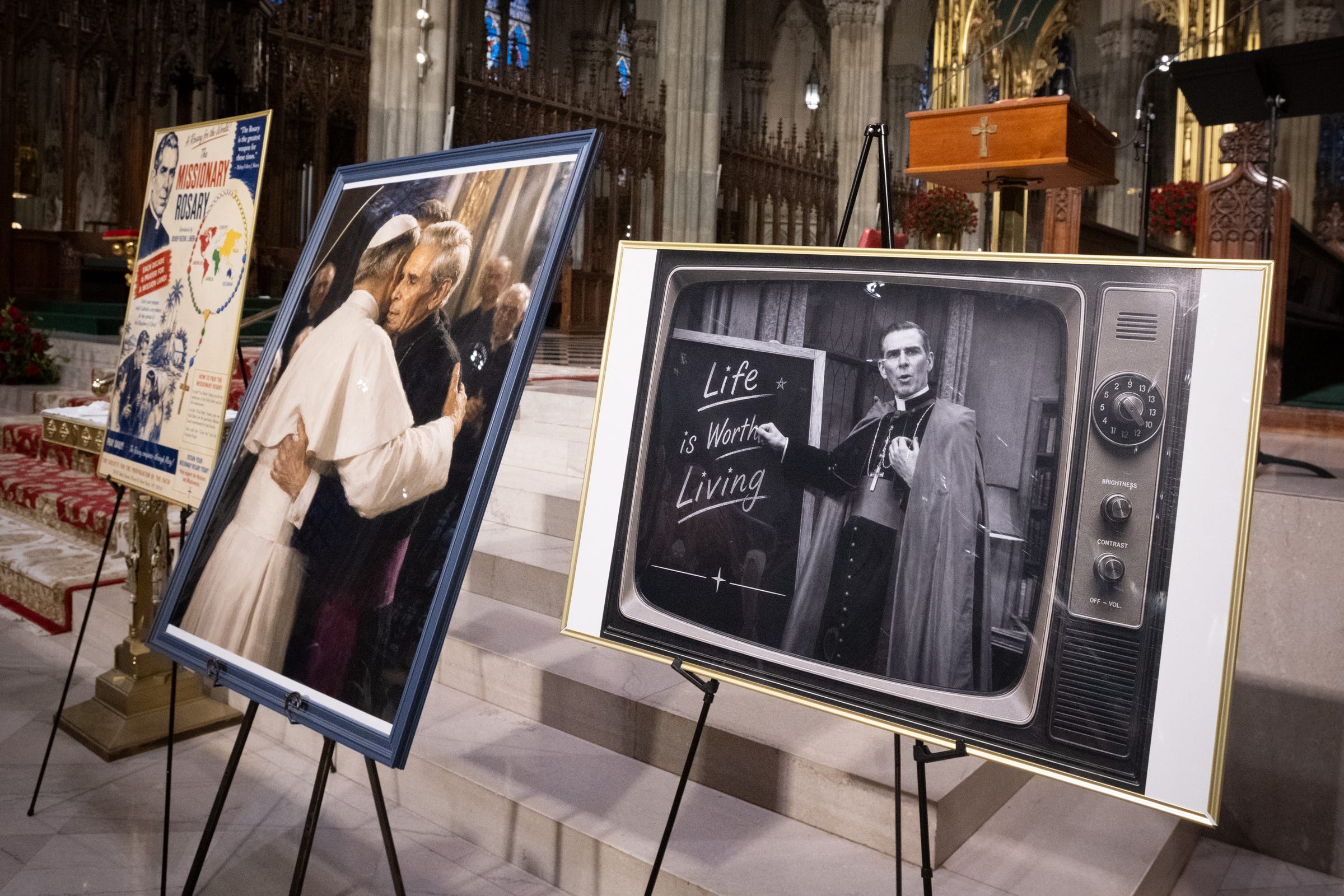
I’d just returned from photographing Sheen’s beatification in St. Louis. What stuck with me wasn’t only the size of the gathering. It was the people, their ages, their enthusiasm, the affection they carried for a man who’d died decades before many of them were even born.
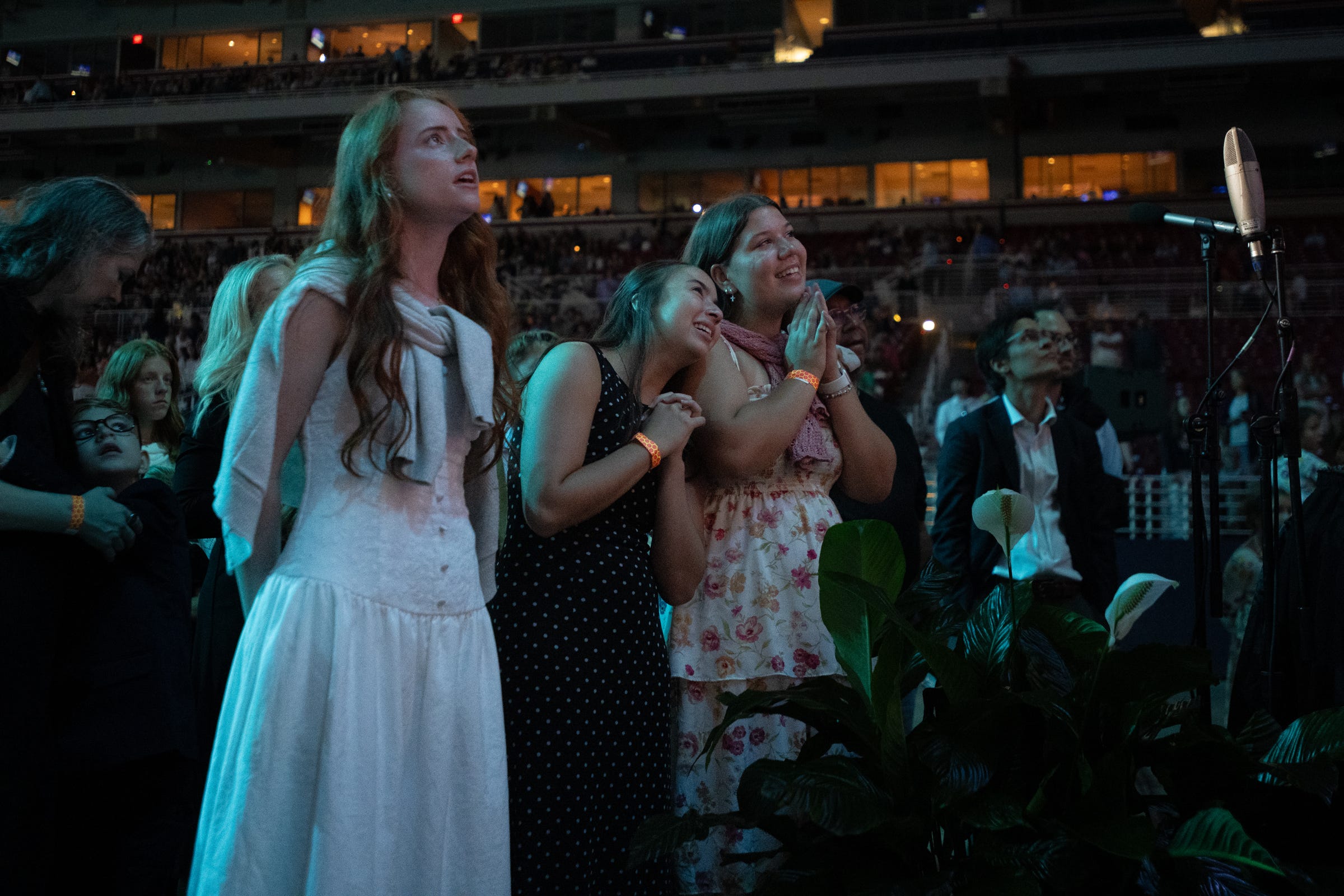
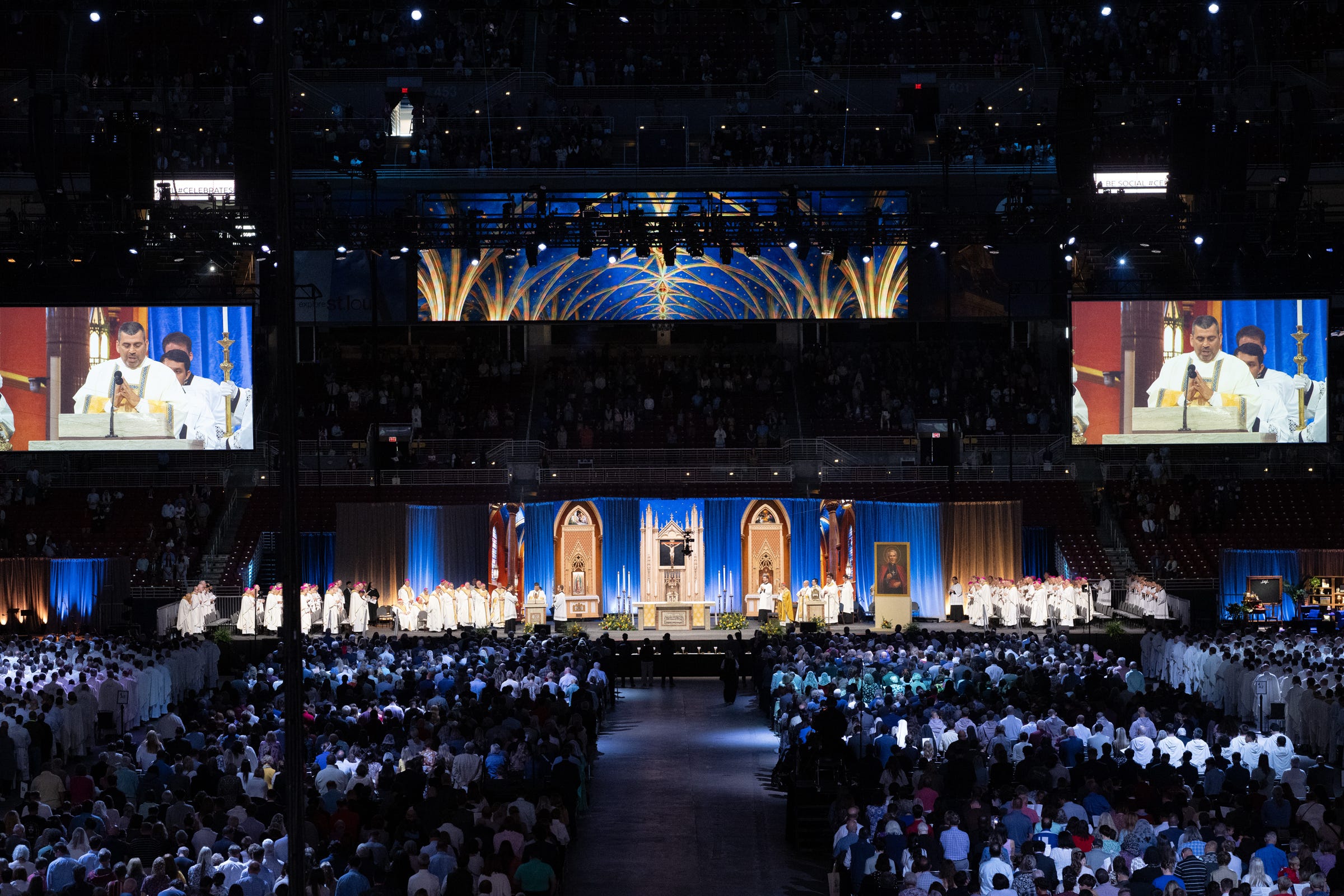
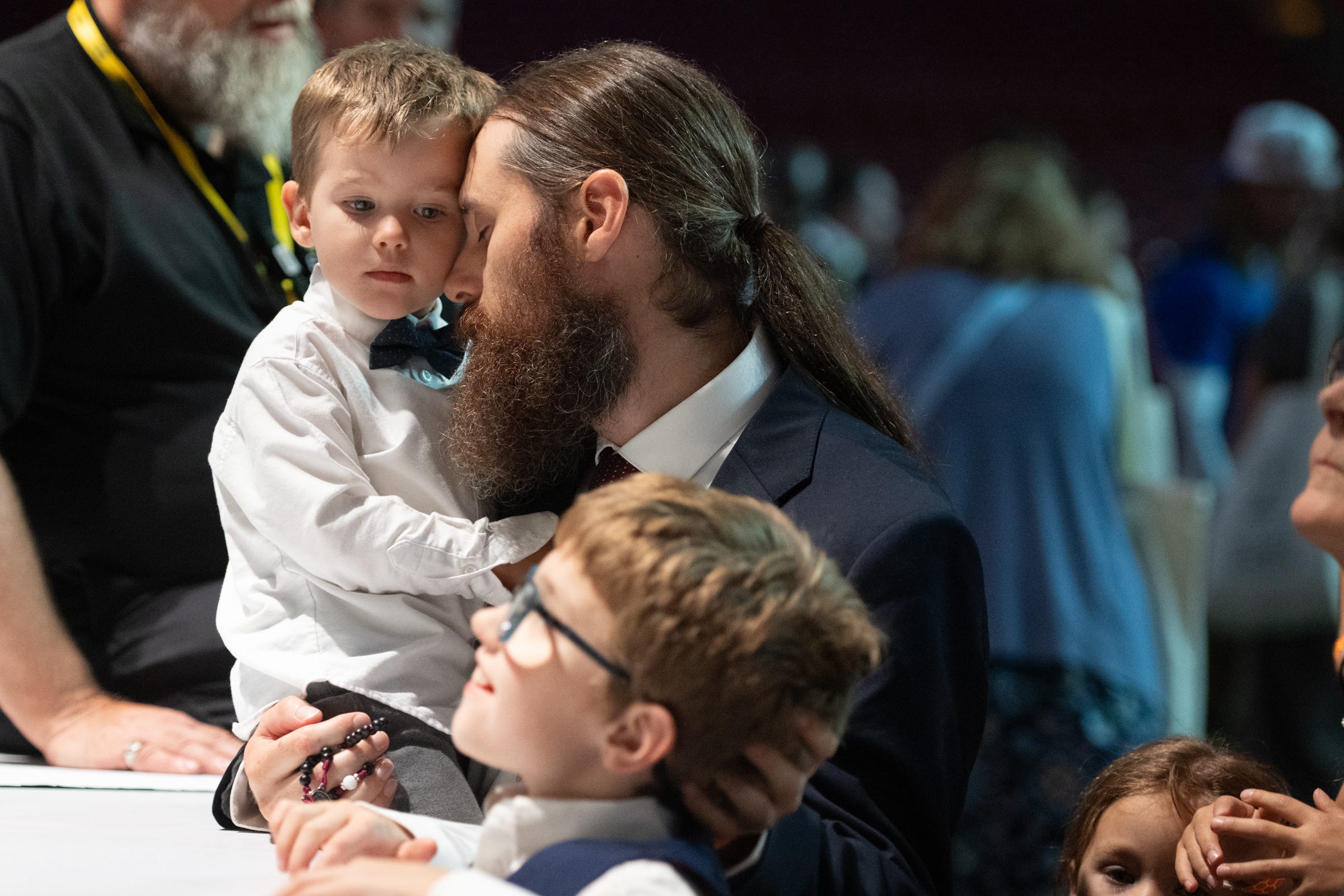
Now a relic of his hand was coming to the city from which he’d spent years speaking to millions about the love of God, and to the very cathedral where he had once been entombed.
Inside St. Patrick’s, I bumped into a few friends from the Franciscan Sisters of the Renewal.
Among them was Sister Thérèse.
And the day, October 1, was the feast of St. Thérèse of Lisieux. It was her name day, and our conversation soon wandered from Sheen to the Little Flower.
Had he spoken about her? Had her spirituality influenced him?
We were piecing together what we remembered.
I later learned that Sheen had preached eleven talks about Thérèse in Dublin in 1973, the centenary of her birth.
Eleven talks.
Her Little Way brought love of God into the smallest acts of love for others. That love was evident in the lives of both St. Thérèse and Blessed Fulton Sheen.
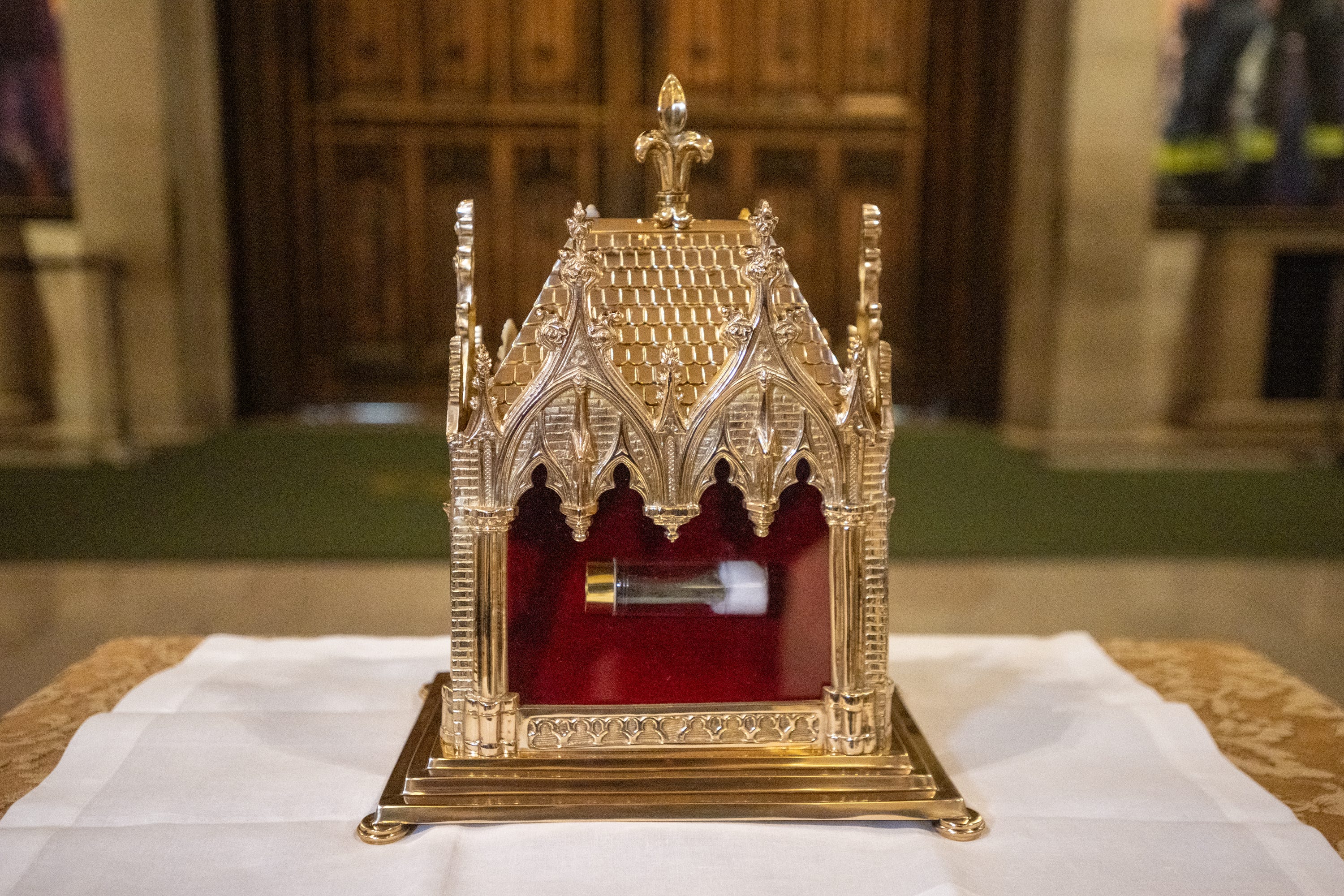
The relic was destined for the cathedral’s Altar of the Holy Face. Thérèse’s own religious name was Thérèse of the Child Jesus and the Holy Face.
It made one think…a lot of coincidences.
Bishop Louis Tylka of Peoria presented the reliquary to Archbishop Ronald Hicks of New York. There were words of welcome, a procession up the center aisle, and prayer.
It was quieter than I’d imagined.
Reverent. Unhurried.
Then the people came forward.
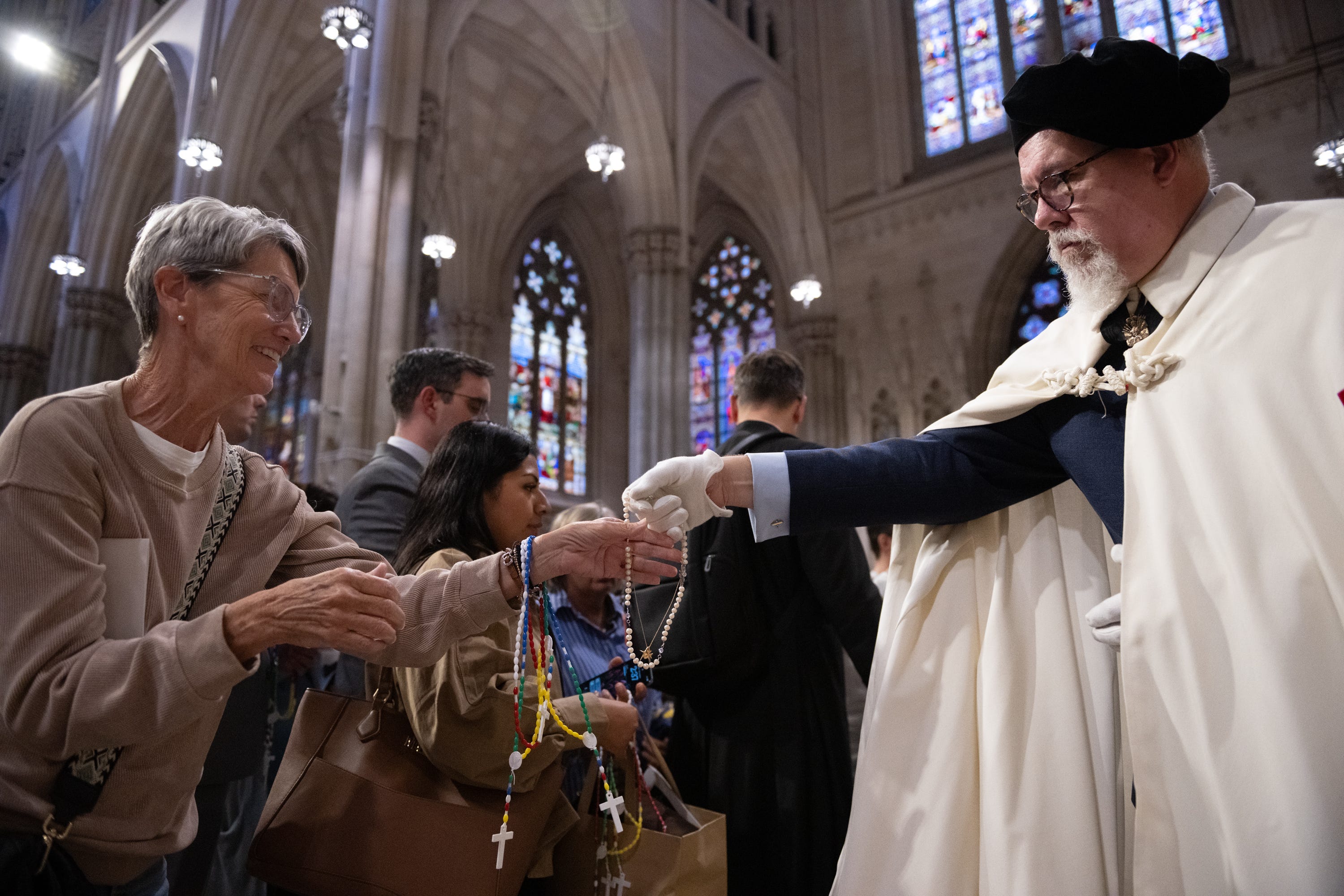
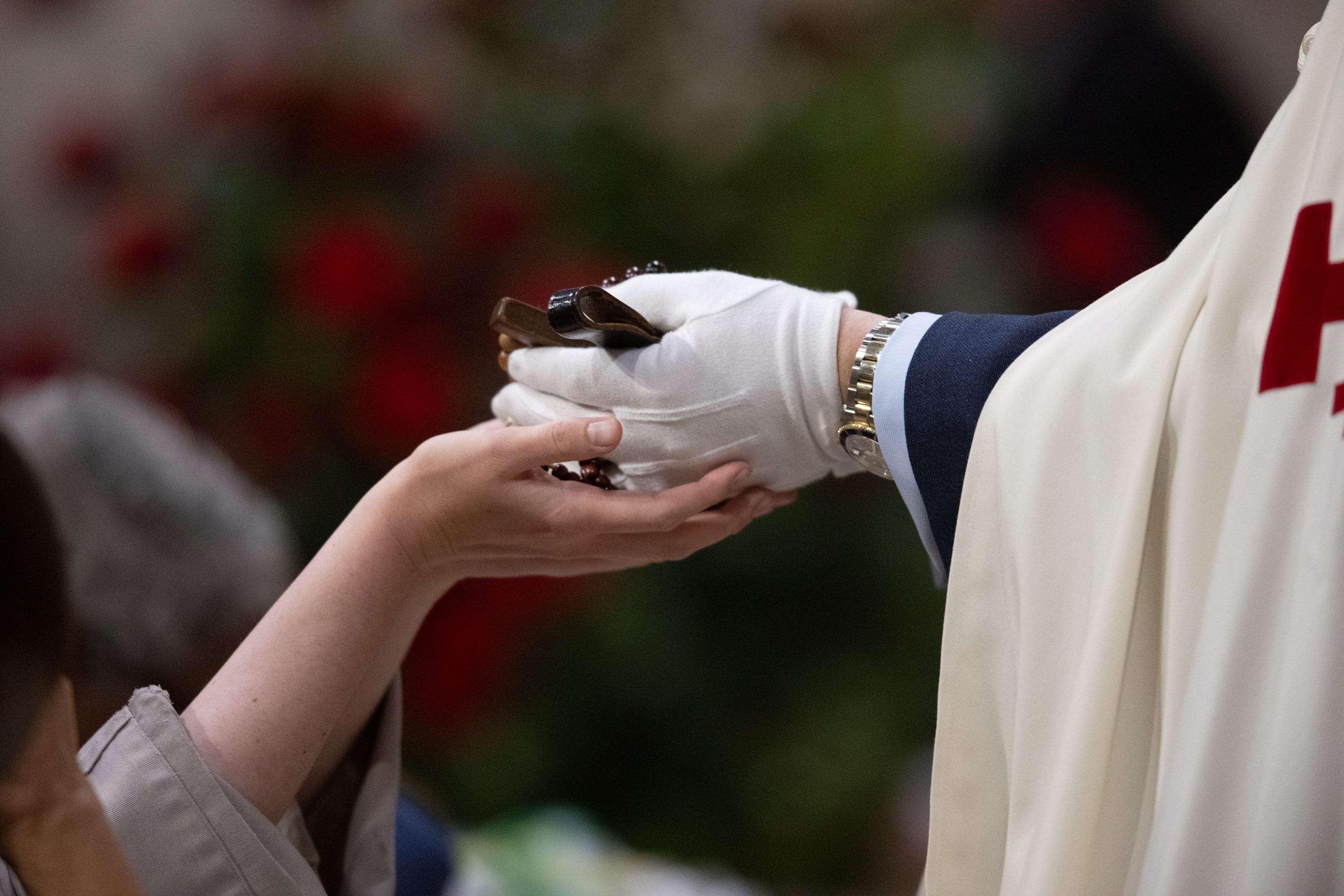
Some carried rosaries. Others paused before the reliquary in prayer. Sister Therese extended a handful of dark wooden beads to an attendant. And multicolored World Mission Rosaries, the rosary Sheen designed to encourage prayer for the world, were being distributed freely.
Sheen’s television voice had fallen silent. But his influence lives on.
Sheen prepared his sermons in the presence of the Blessed Sacrament. He kept a daily Holy Hour throughout his priesthood. The words he offered to others grew out of time spent with Christ.
His broadcasts carried that invitation into people’s homes. They were a way of loving neighbors he would never meet.
Thérèse had lived only twenty-four years. And here we were, still talking about her.
Sheen had put it simply: “It does not require much time to make us saints; it requires only much love.”
And perhaps that’s the thing.
Love of God and love of neighbor.
Perhaps that’s the hallmark of holiness. The essence of sainthood. And the path to Christ.
Great love.
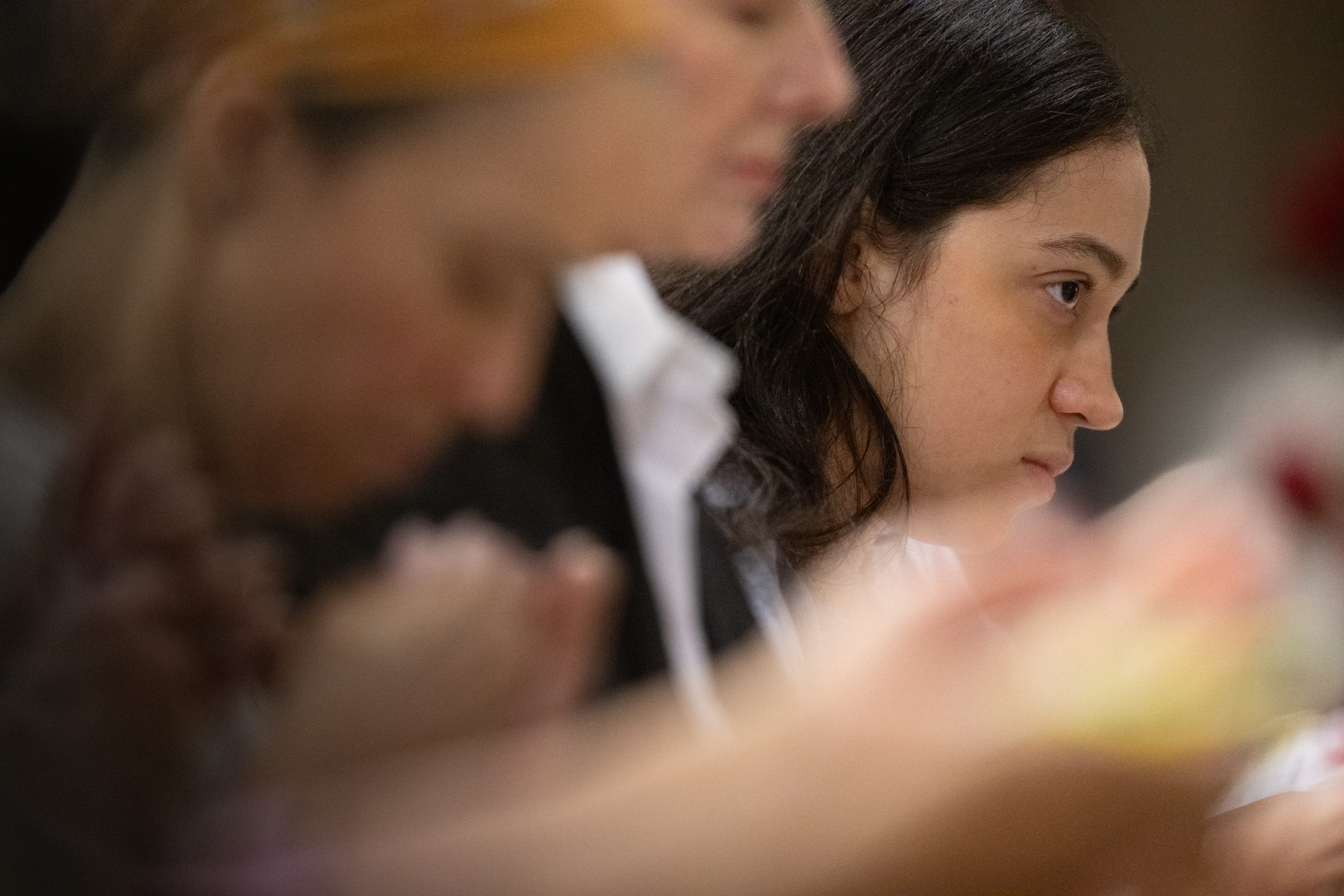
I’d come to photograph Sheen’s return to New York.
And there he was, in an ever-changing city, among new people who still wanted to hear what his life had to say.
And what his life said was what Jesus Christ had said in the Great Commandment:
To love God with all your heart, and all your strength, and love your neighbor as yourself.
Sheen lived it.
Therese lived it.
And every saint from now until the end of time will live it.
Perhaps that’s the one “coincidence” all the saints share.
Because in that lies everything that makes a life worth living.
And life complete.
Thanks for reading! This is a truly independent, reader-supported periodical. Your support is crucial. If you are able, please consider a paid subscription or making a ‘Patron of the Arts’ donation of any amount. By doing so, you are not just supporting this effort; you’re a vital part of this mission.
You have my heartfelt thanks for your generosity and support, and please keep me in your prayers, and know of mine for each of you. God Bless, Jeff