

4:45 a.m.
The glow of my phone cut through the dark as I groped across an unfamiliar nightstand and, in my half-awake state, hit dismiss instead of snooze. So much for fifteen more minutes of bliss.
I rolled out of the unfamiliar bed and shuffled toward an unfamiliar kitchen, praying there was coffee and that I’d find it before I walked into a wall. Outside, somewhere beyond the thin pane of glass, a new day was already pushing at the edges of the night.
Baltic, Connecticut.
A tiny former mill village tucked into the rolling hills along a narrow river. A place you could easily miss if you were driving too fast on a gray Tuesday… and yet a place that has lived more than one life.
I peered out the east-facing window and watched first light arrive, that moment when the sky shifts from black to not-quite-black and the world remembers that morning is, in fact, going to happen again.
Down in the basin, a thick, white fog lay over the village like a blanket. The tall pines climbed out of it, their shadows stretched long by the low sun. Dew clung to every needle and blade of grass, catching the first stray rays and turning the hillside into a field of tiny stars.
And then, there it was.
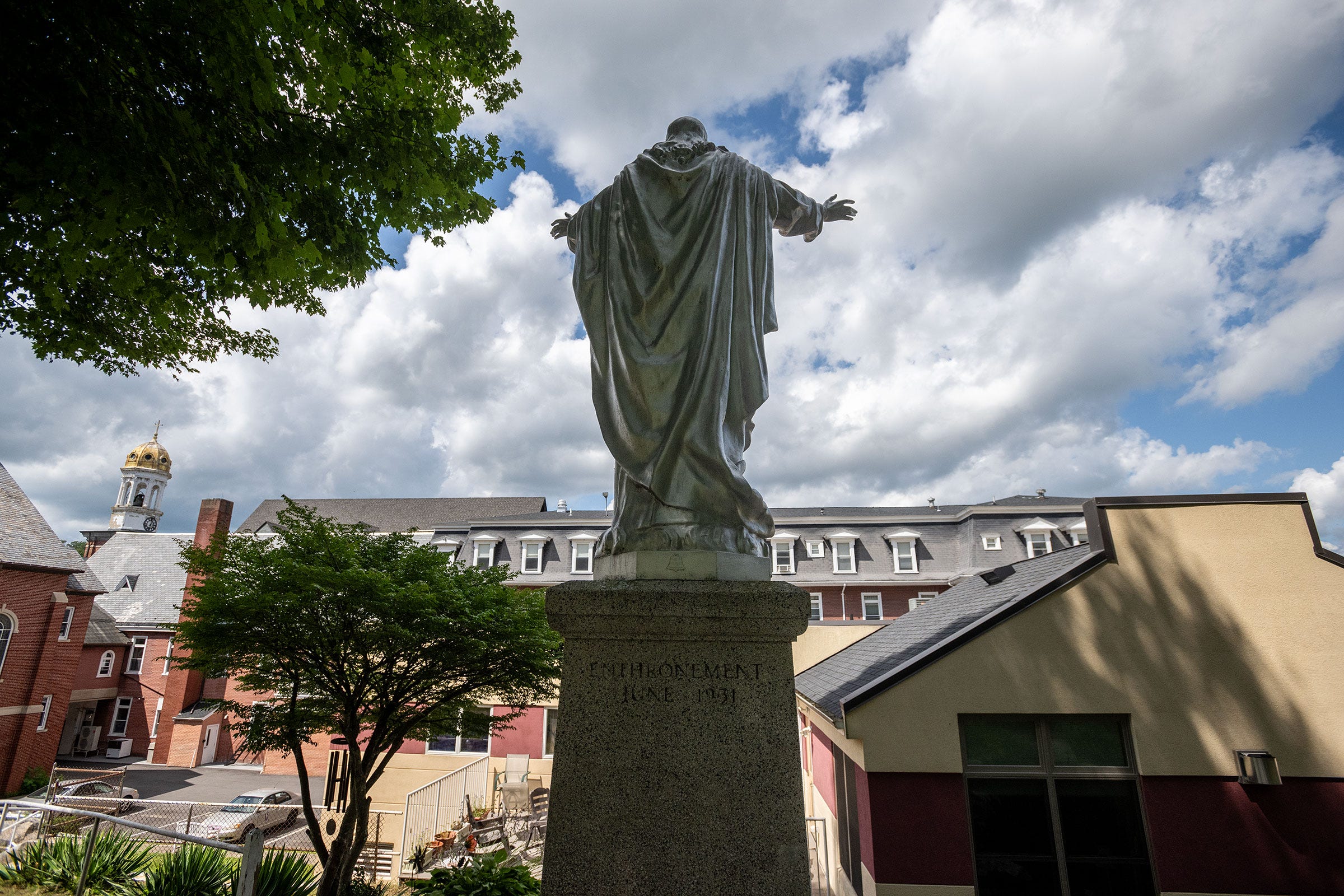
The golden dome of the church rising above the trees, catching the sun head-on. For a few seconds it didn’t just reflect the light. It seemed to throw it back, a small sun of its own. The cross on top burned like a spark against the pale sky.
Somewhere below, the river moved quietly past the bones of what used to be one of the largest textile mills in eastern Connecticut, a sprawling complex that once drew workers from across the region, its brick walls humming day and night with the rhythm of looms. Entire families built their lives around it. Generations passed through its doors. The whistle marked the hours. The river powered the work.
This whole village rose and fell with that engine of industry. When the mill surged, Baltic filled with life, boarding houses, shops, children in the streets. When fire or decline came, and it did, more than once, the silence that followed settled just as deeply.
A distant train whistle cut through the stillness, thin and lonely.
A lone dove settled on the lip of the last standing smokestack…a soft gray comma against the red brick.
Up on the hill, the fog kept lifting.
And then another sound shouldered its way into the morning.
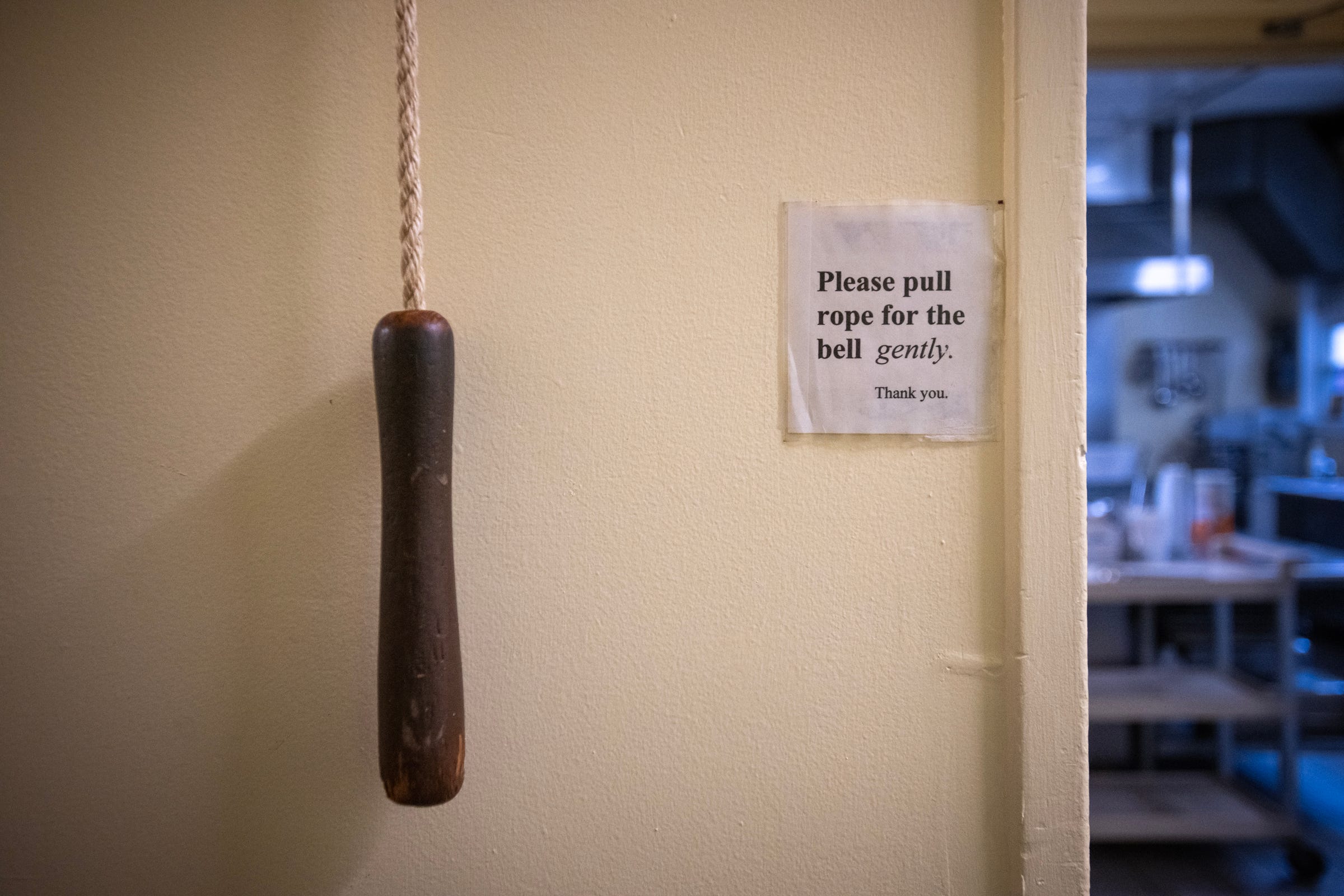
The bell.
6:30 a.m., and the bell of the Holy Family Motherhouse rang out across the valley…clear, insistent, unembarrassed. In a town where most of the old factory whistles have gone silent, the church bells still ring.
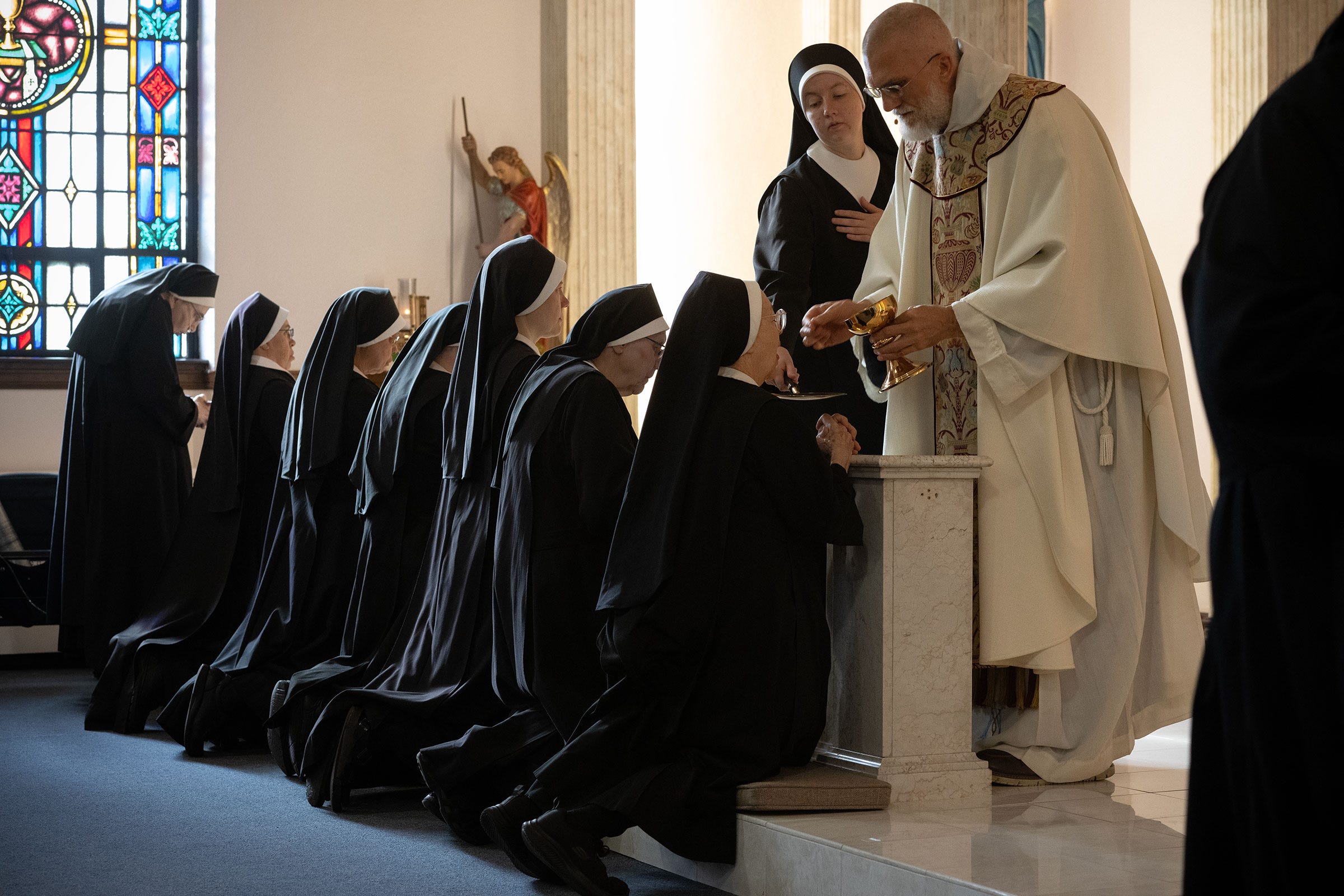
Inside, the Sisters of Charity of Our Lady, Mother of the Church were already moving down the halls, black habits brushing against polished floors, rosary beads clicking softly like distant rain.
I hadn’t come to Baltic as a tourist.
I came for the Sisters.
The Mill Town and the Motherhouse
I met the Sisters first in the chapel and the dining room—through their voices, their laughter, their joyful way of moving through a day. The town came later.
One afternoon, when there was a rare lull in the schedule, I took a walk into town.
From the hill where the Motherhouse sits, you can see almost everything. Rooftops, trees, the thin silver scratch of the river cutting through the valley. But it’s only when you start walking down the winding road that the past comes into focus: cracked pavement, sagging fences, old stone walls with nothing left to hold up.
At the bottom of the hill, the river slid by like it had all the time in the world. The ruins along the water suggested a different story. Brick foundations swallowed by weeds, rusted pipes jutting out of nowhere, two lone smokestacks punching into the sky like exclamation points from another era.
You could almost hear it if you stood still long enough.
The thunder of looms. The shriek of belts and pulleys. The constant hiss and clatter of thousands of spindles spinning cotton into thread.
Baltic grew up around that sound.
By the time I retraced my steps up the hill, I had more questions than answers.
The answers didn’t come all at once. They surfaced slowly, in conversation, in memory, in the way the Sisters spoke about the town as if it were still alive.
Later that day, I had followed two of them down to the food pantry at the edge of the property. It wasn’t large, but there was a steady movement of people coming and going. Out back, they showed me the truck they use to gather and deliver food, an old, retired rental, now pressed quietly into a different kind of service.
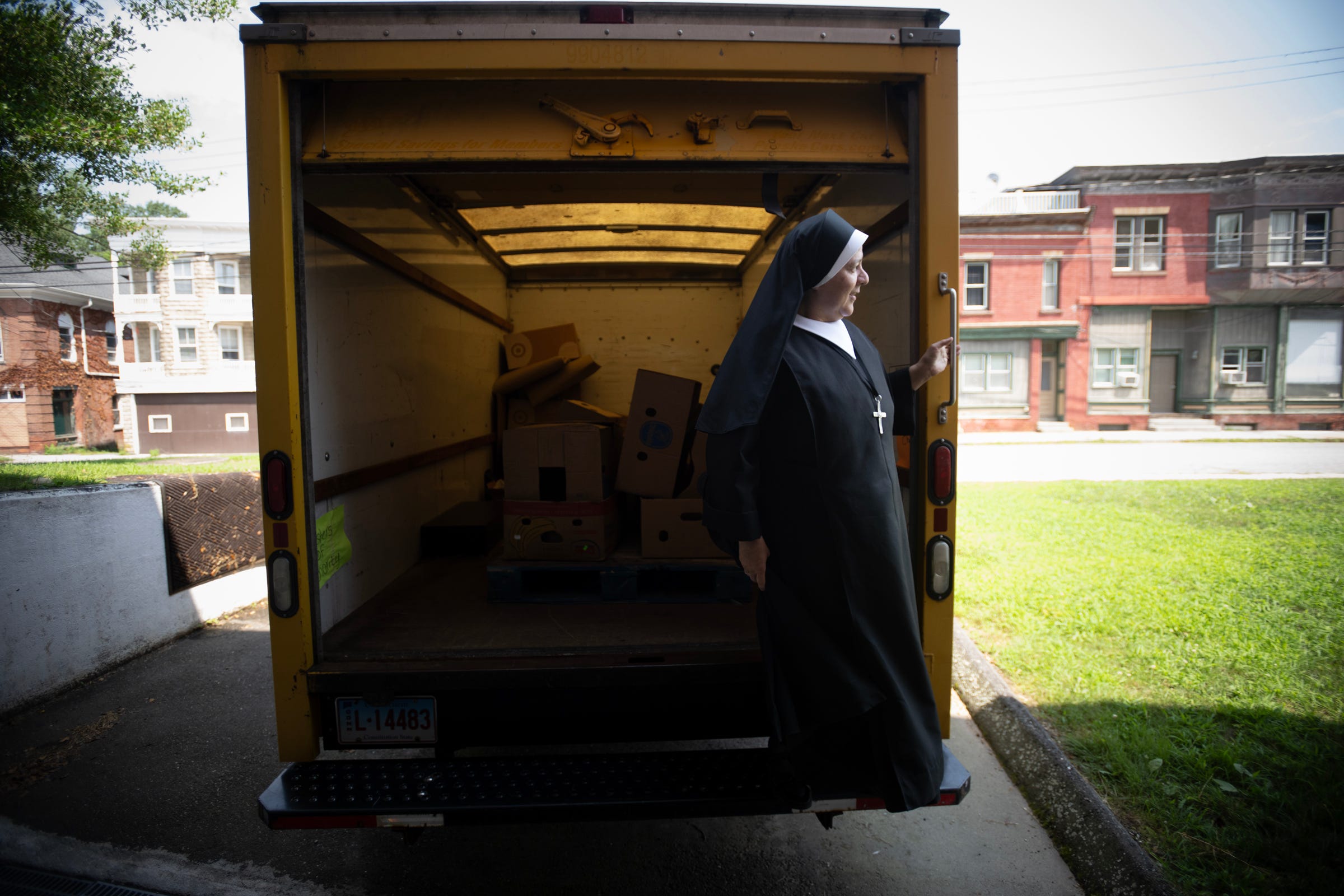
Nothing about it felt extraordinary.
And yet… everything about it did.
There was a constancy to it all.
A sense that while the town below had emptied of the noise that once defined it, something else had taken root in its place.
Not loudly.
But faithfully.
By the time I reached the top of the hill again, one thing was clear.
The mill had powered the town.
But on the hill, the bell kept ringing…
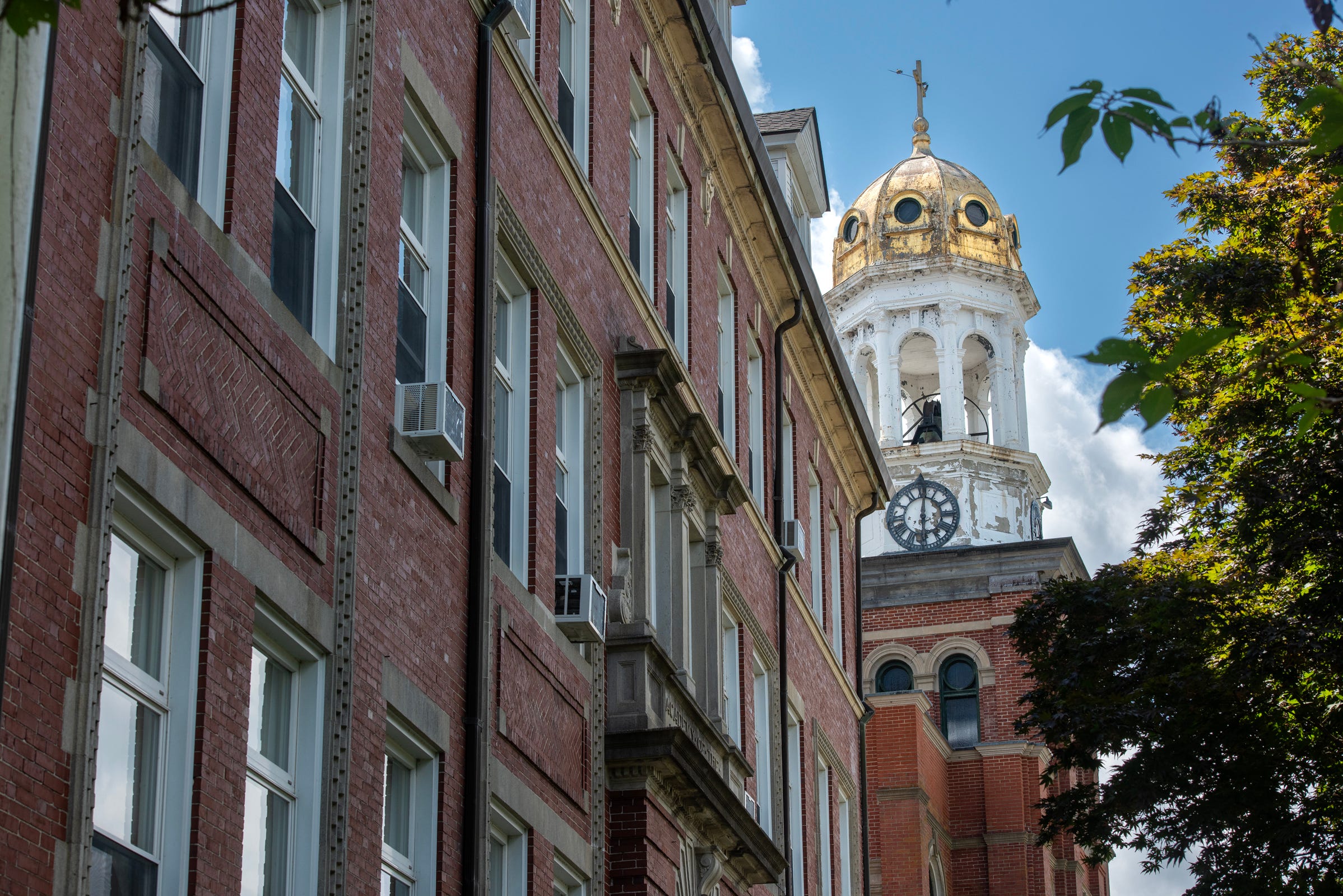
And alongside the old brick lines of the mill, the Motherhouse remains full of life. The daily life of the Sisters continuing just as steadily as the looms once did. And just beyond it, the worn gold dome of St. Mary’s still catches the light.
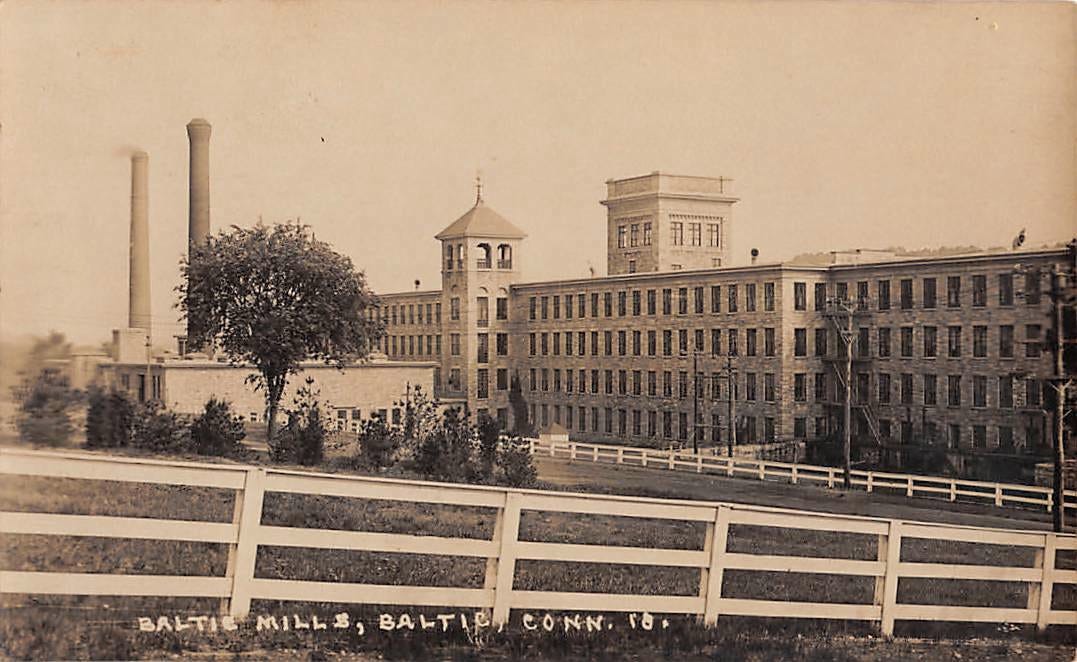
Before the valley fell silent, it looked like this.
Brick stretched across the horizon, row after row of windows catching the day’s first light. The smokestacks stood like sentinels, pushing out the work of a thousand hands.
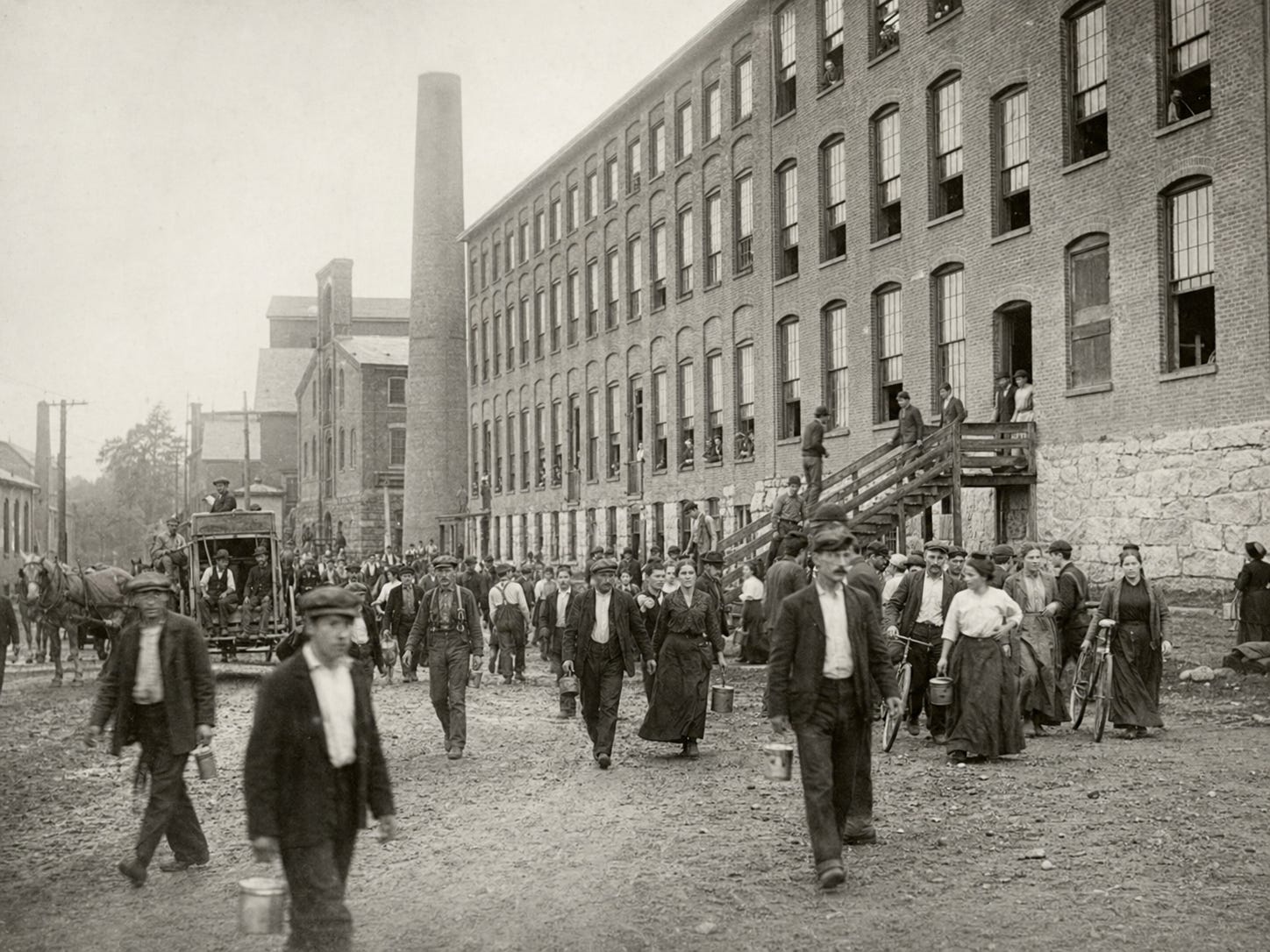
And this wasn’t just a building…it was the reason the town existed at all.
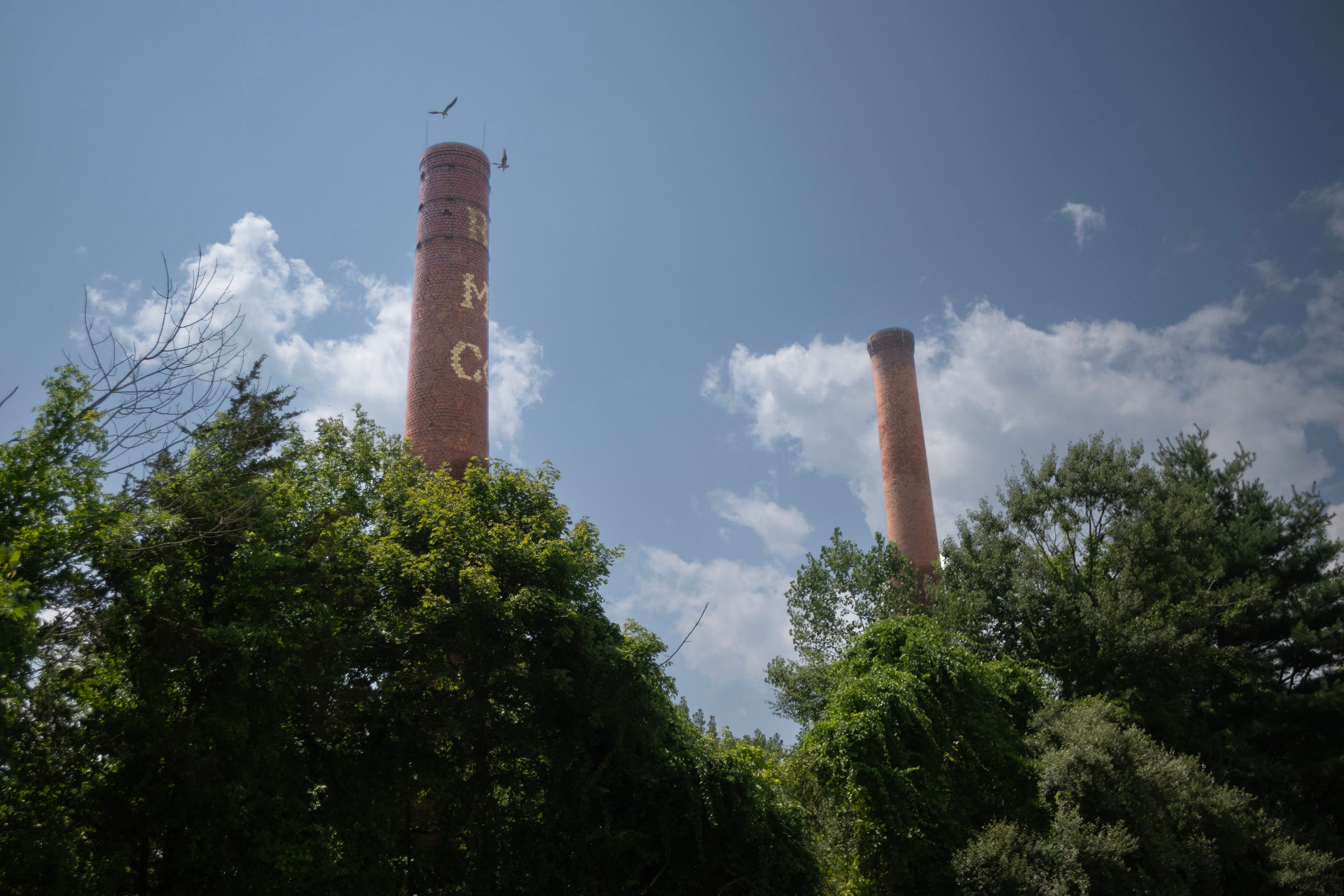
And this is what remains. The looms are gone. The buildings are gone. The noise has long since faded. But two smokestacks still stand, rising above the trees like quiet witnesses to everything that once filled this valley with life.
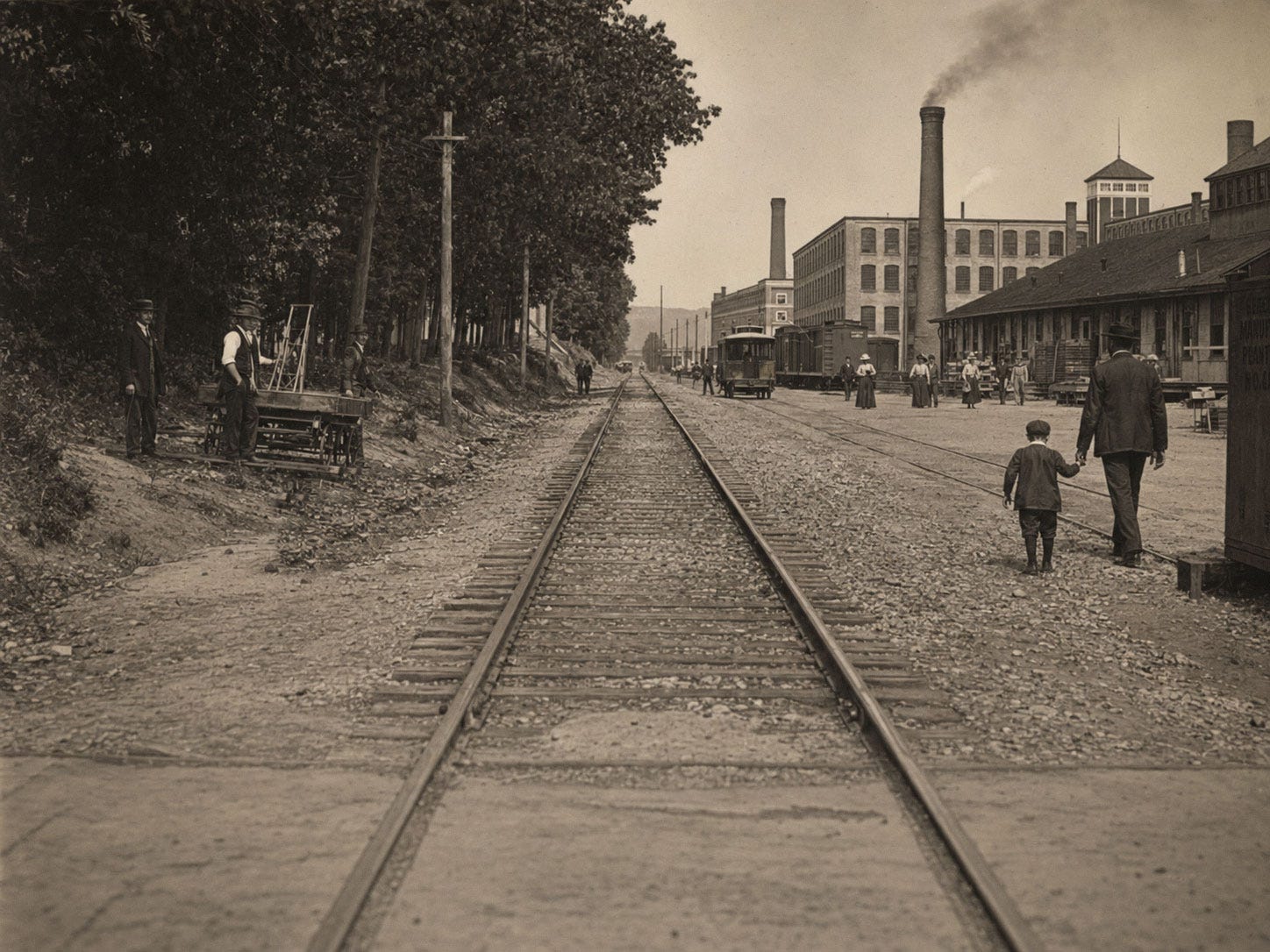
The tracks remain. Steel lines cutting through the valley, pointing forward as they always have… but no longer carrying the weight they once did. No schedules. No urgency.
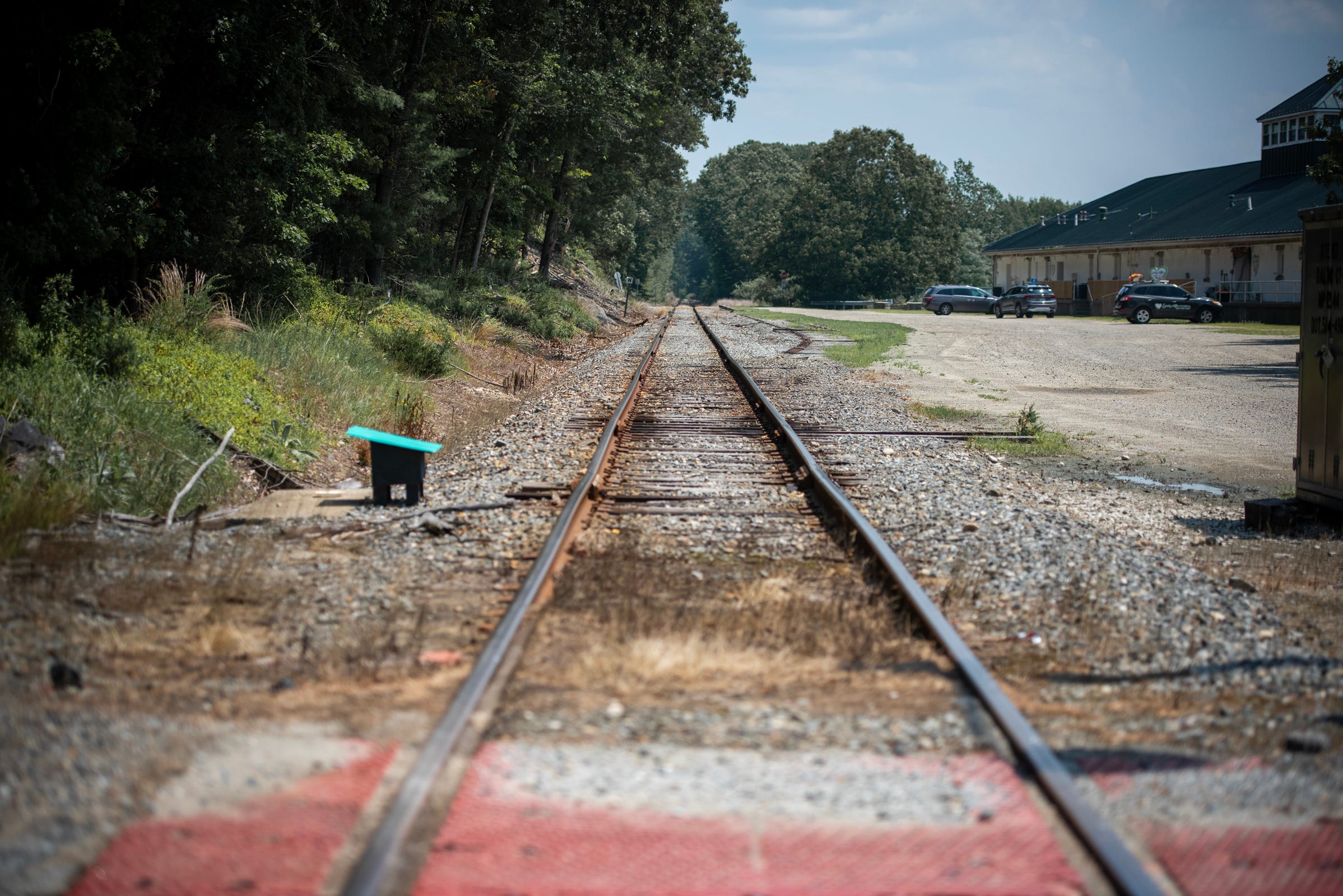
Just distance.
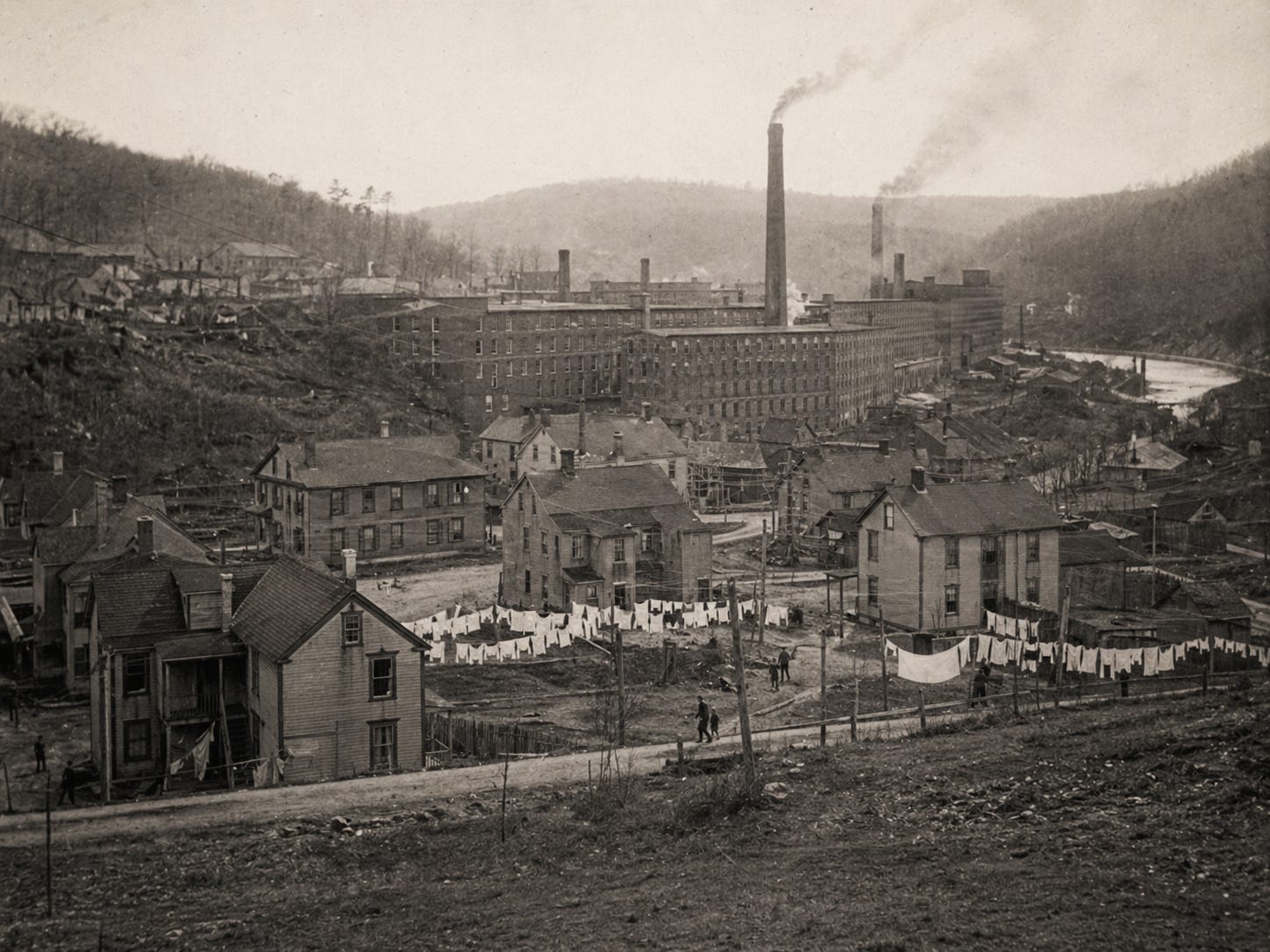
It’s hard to imagine what once filled this valley.
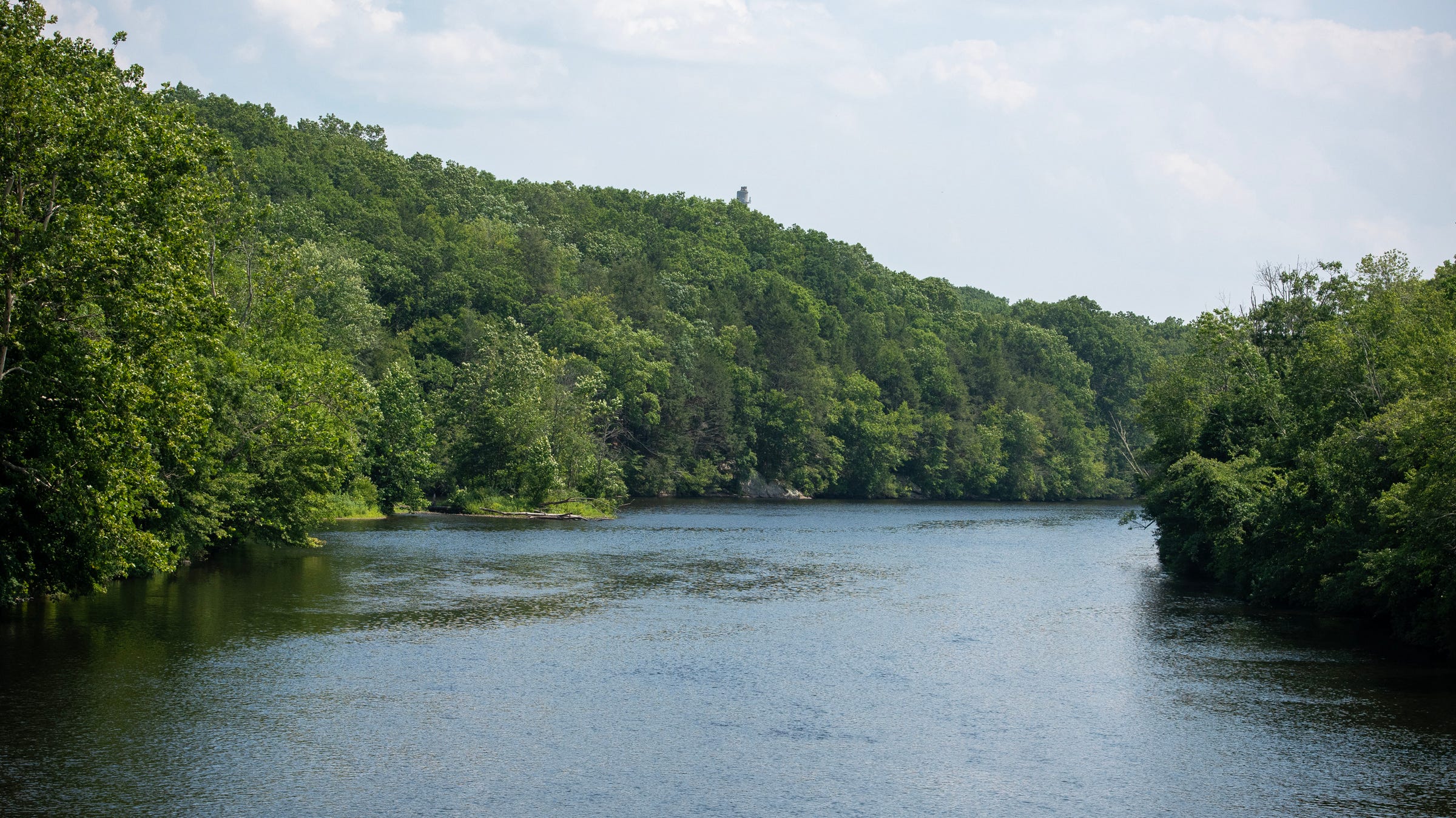
Where machines once roared and smokestacks marked the sky, the river now moves quietly between walls of green. The trees have returned, patient and unhurried, covering what industry once claimed.
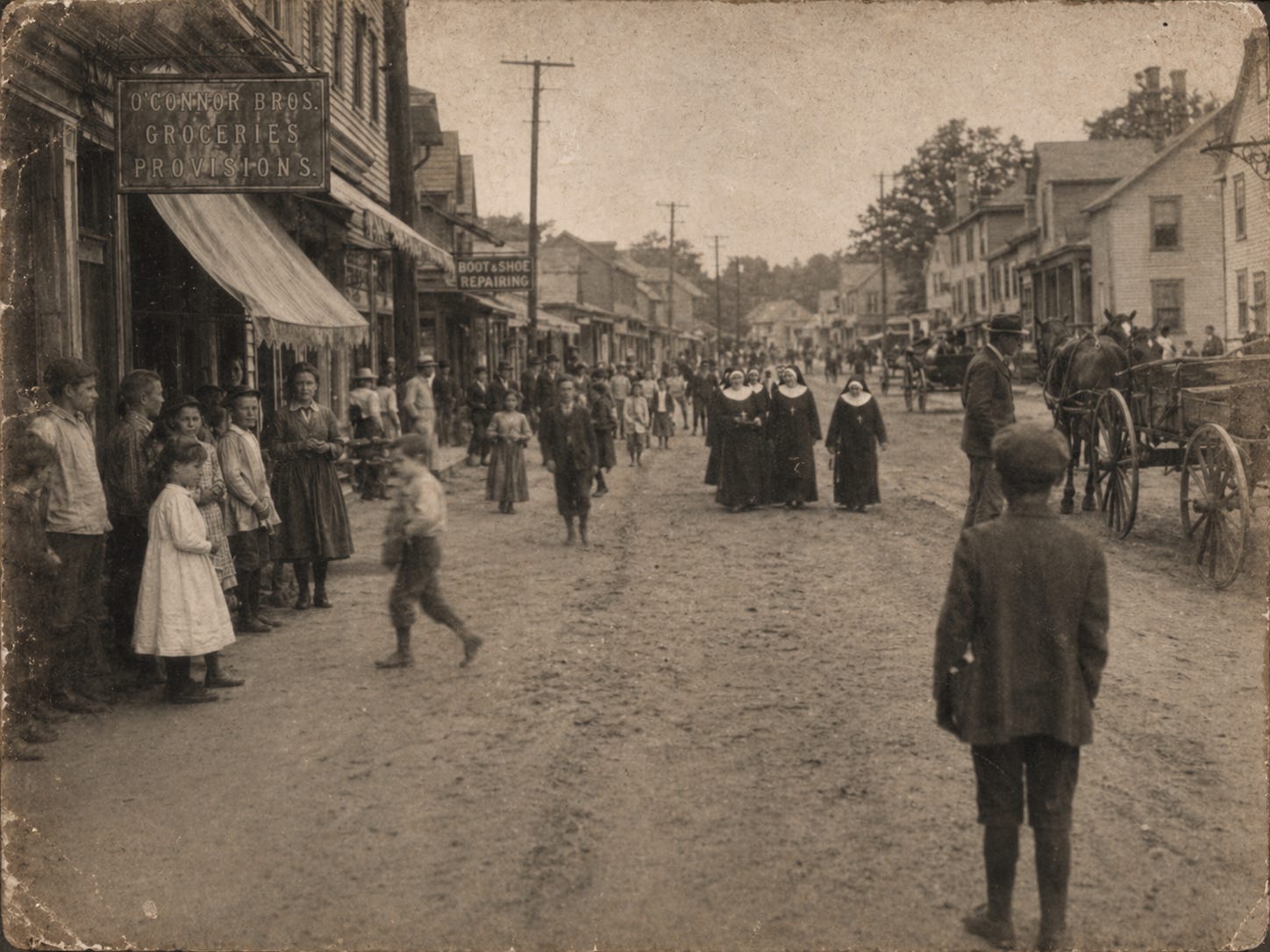
The mill’s story was one of rise and ruin. But the Sisters’ story is something else entirely.
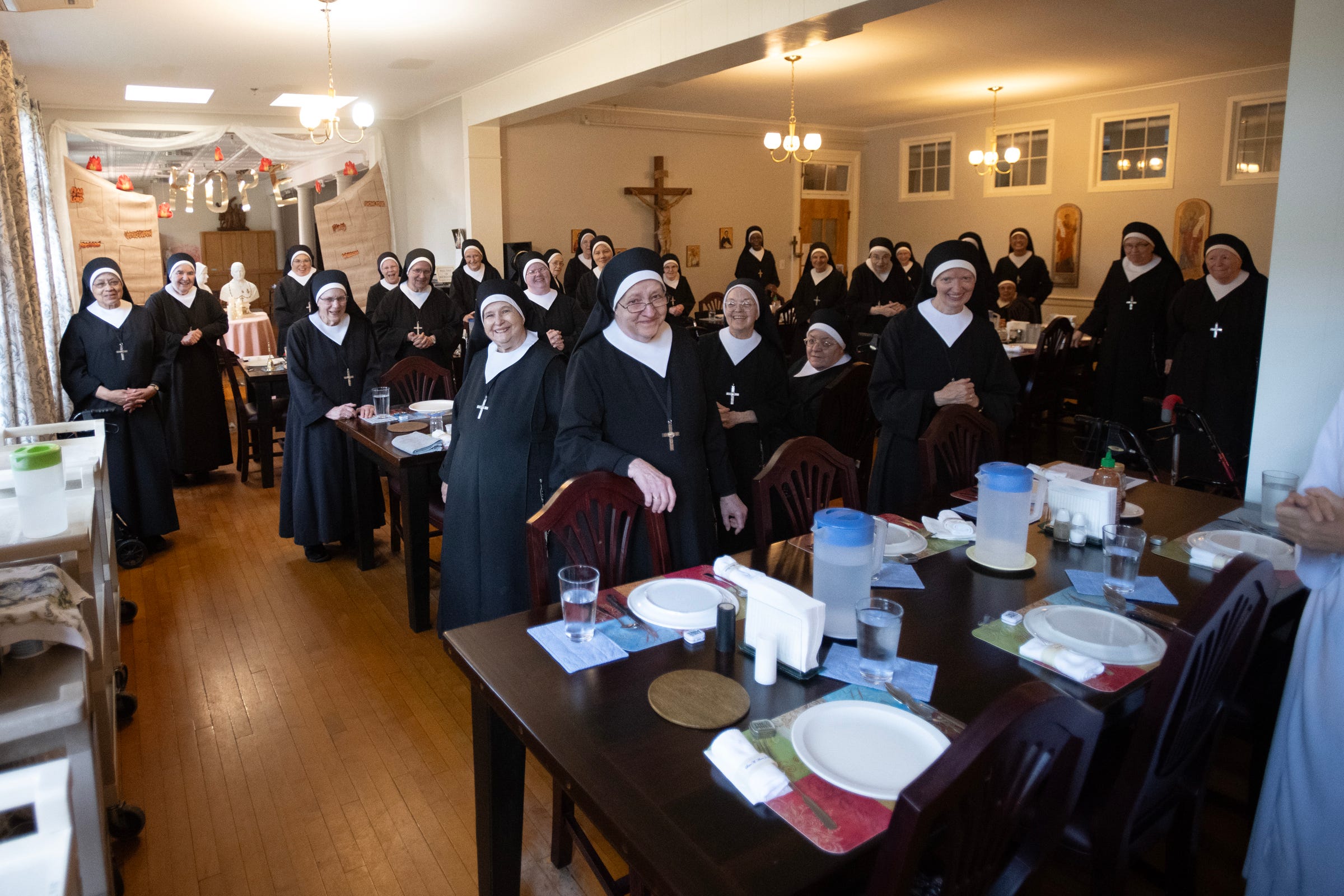
In the place of noise came prayer. In the place of smoke came song. And in the shadow of what was lost, the Sisters of Charity of Our Lady, Mother of the Church remain a living witness that God is still making something beautiful here.
READ: Part II: A Day Inside the Motherhouse
Thanks for reading! This is a truly independent, reader-supported periodical. Your support is crucial. If you are able, please consider a paid subscription or making a ‘Patron of the Arts’ donation of any amount. By doing so, you are not just supporting this effort; you’re a vital part of this mission.
You have my heartfelt thanks for your generosity and support, and please keep me in your prayers, and know of mine for each of you. God Bless, Jeff
Jeff: With what joy did I discover your substack post today! I grew up (and still live) in the Norwich diocese. Its manufacturing boon is decades removed, and the area is largely a remnant of the industry that attracted many Catholic immigrants to the region. You’ve captured and shared the remnant of faith that I hope brings it a new springtime!
Saint Mary's is my parish! Thank you for this great article and the amazing photos 🕊️