

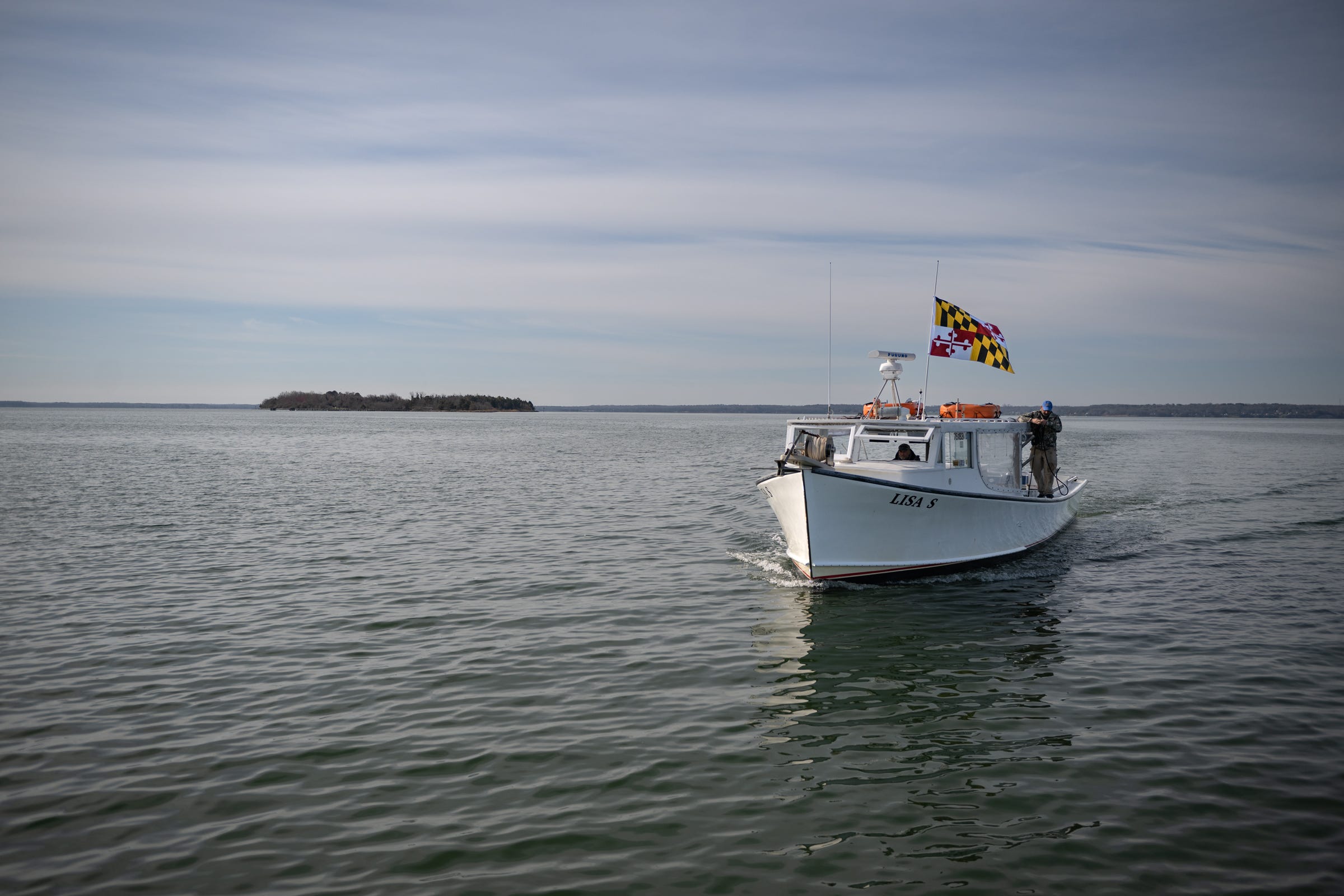
The five-hour drive south from New Jersey ends in a place where the world suddenly grows quiet. Roads narrow. Tall pines give way to salt marshes. And eventually the land itself thins until the Potomac River seems to surround you on all sides.
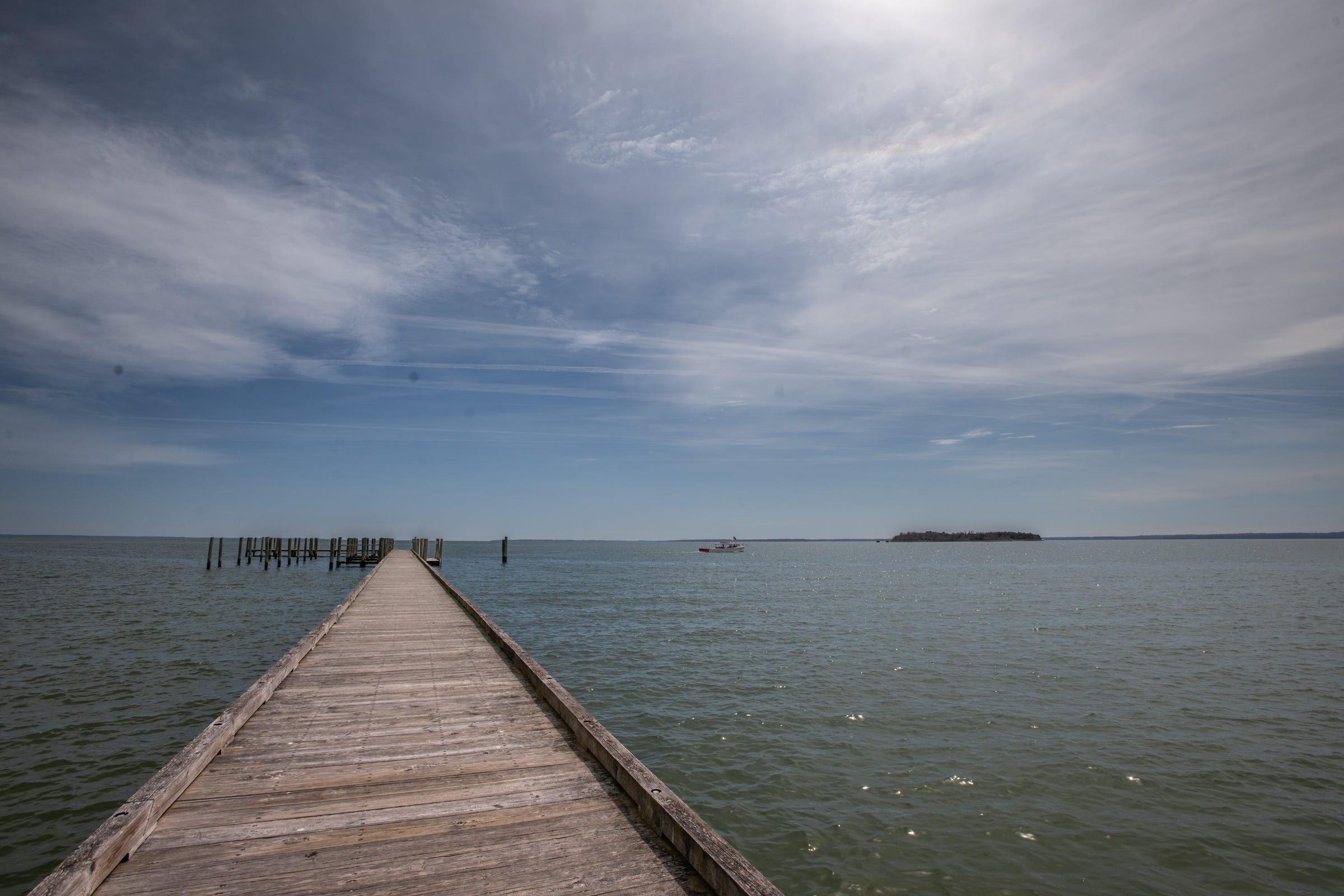
Late on the afternoon of March 24, I crossed onto St. George’s Island as the sun began its descent. The sky ignited in bands of gold and crimson. The wide waters of the Potomac mirrored every color, turning the river into molten copper as the sun slipped toward the Chesapeake Bay.
I’ve seen many sunsets here over the years. None are ever the same. That’s one of the reasons this place has become, for me, something close to sacred ground. And it was here, on the neighboring island barely visible across the water, that the story of religious liberty in English America began.
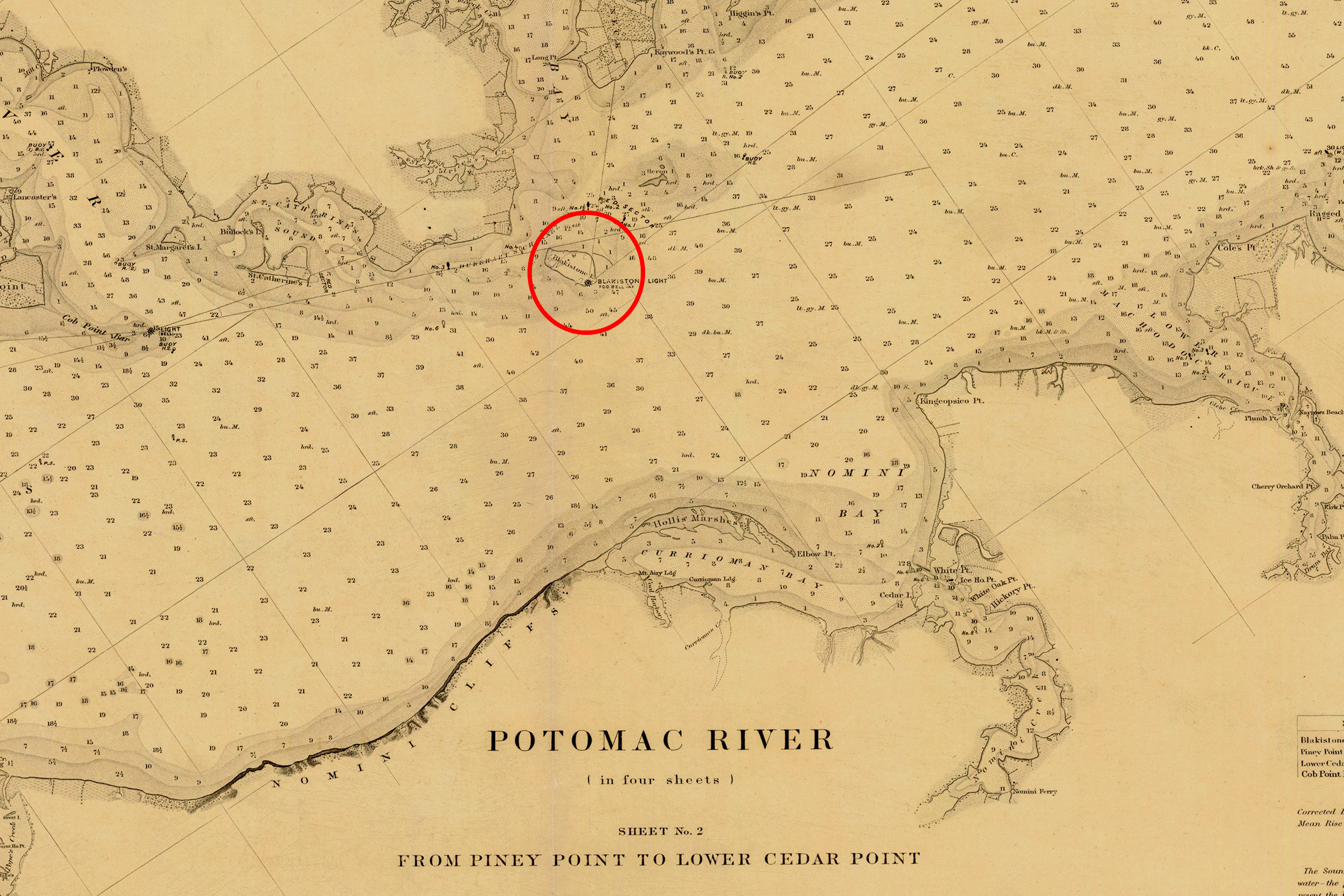
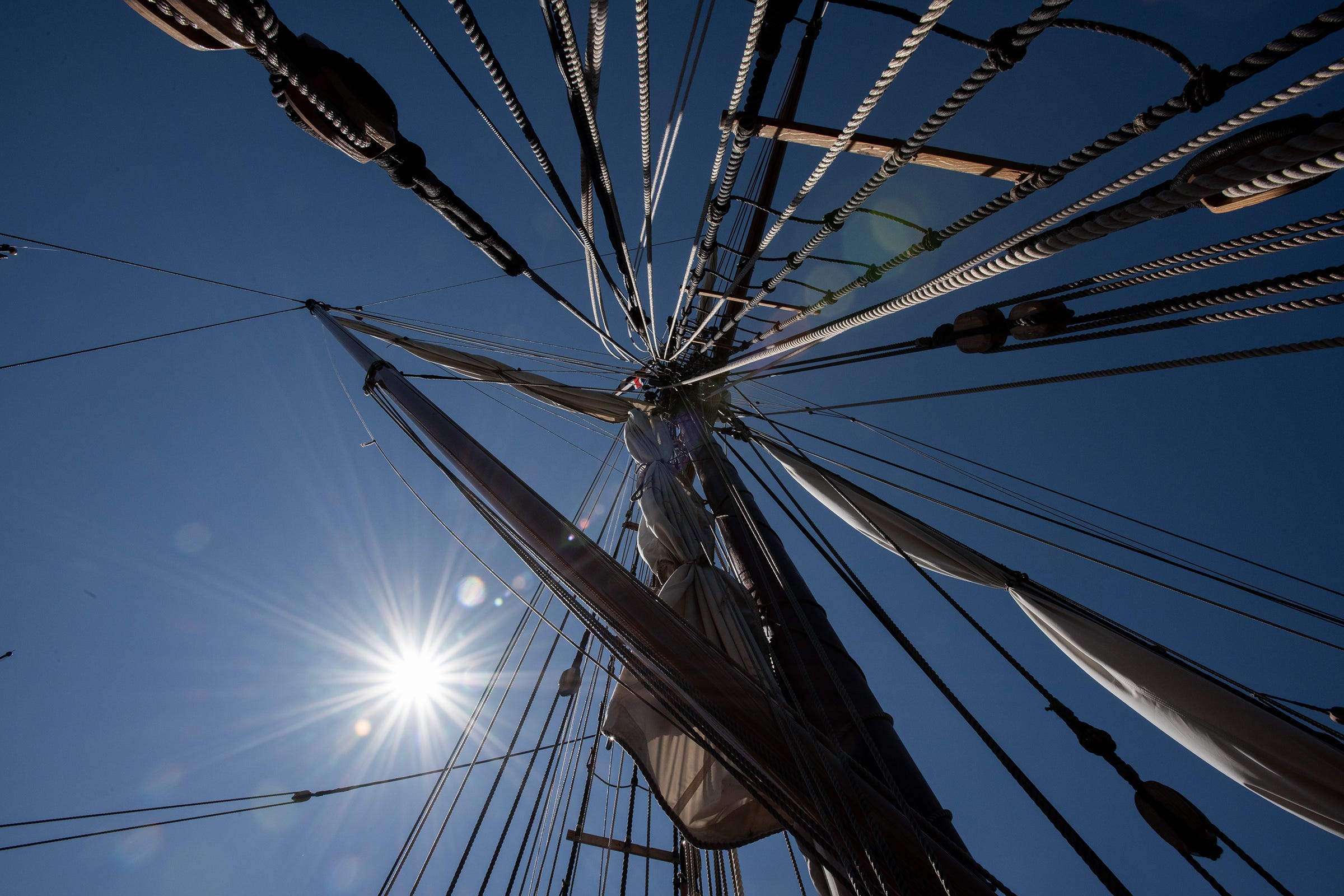
On March 25th in 1634, on the Feast of the Annunciation, two ships appeared in the waters of the Potomac River. The larger vessel was the Ark, a heavily armed merchant ship of roughly 400 tons. Her smaller companion, the Dove, served as her pinnace, light enough to explore the shallower waters ahead.
They had crossed the Atlantic carrying settlers, provisions, and a fragile but extraordinary idea: a colony founded on the radical principle of religious freedom.
Small boats were lowered into the river. The landing party rowed ashore onto a wooded island covered with cedar trees and early spring flowers. Before homes were built, before crops were planted, before the colony had even truly begun, they celebrated Mass.
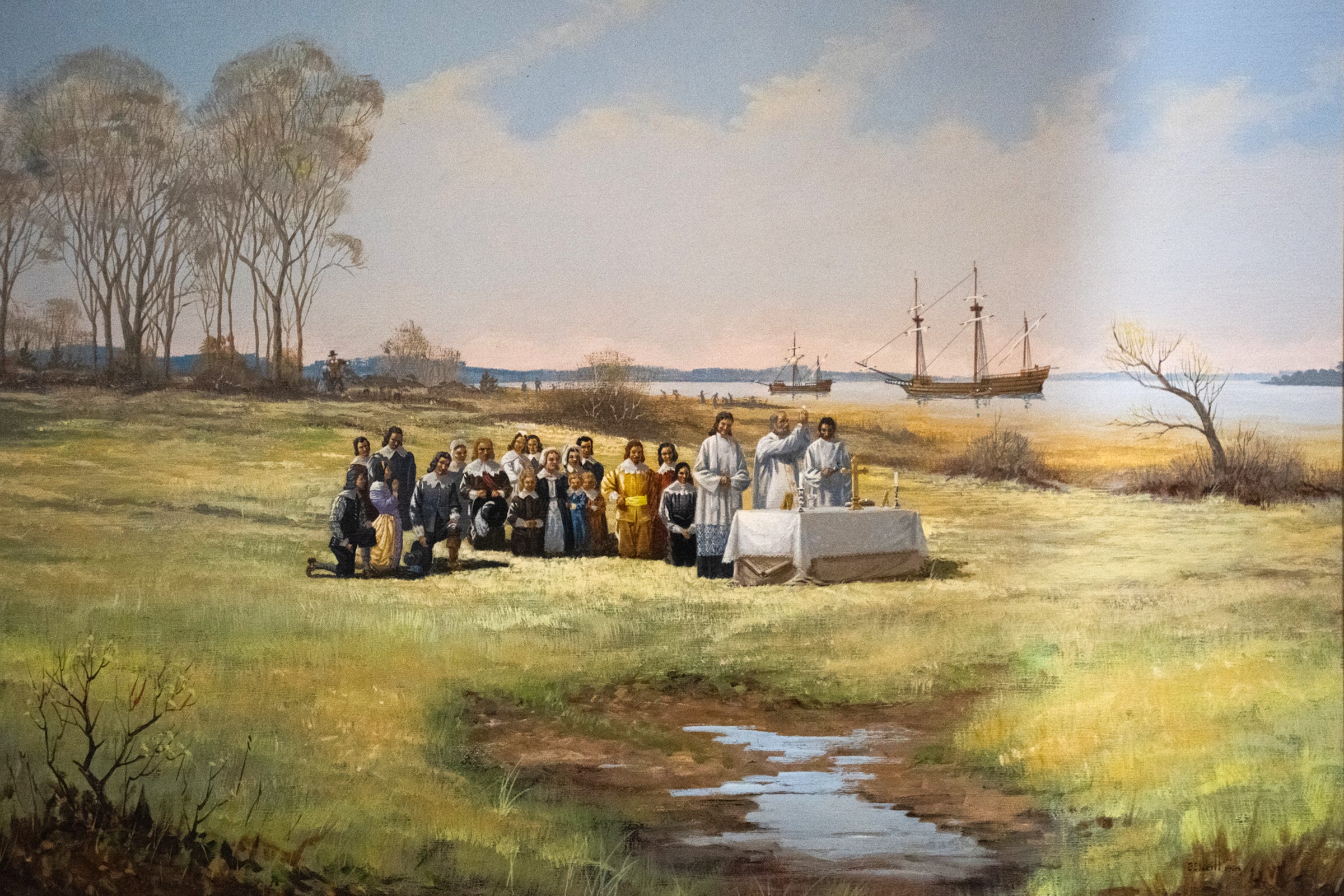
Father Andrew White, the Jesuit priest who accompanied the expedition, later recorded the moment in his journal A Briefe Relation of the Voyage unto Maryland. When the Mass had ended, the settlers lifted a great cross they had fashioned from a tree and carried it in procession across the island. Kneeling together in the grass, they prayed as it was raised in honor of Christ.
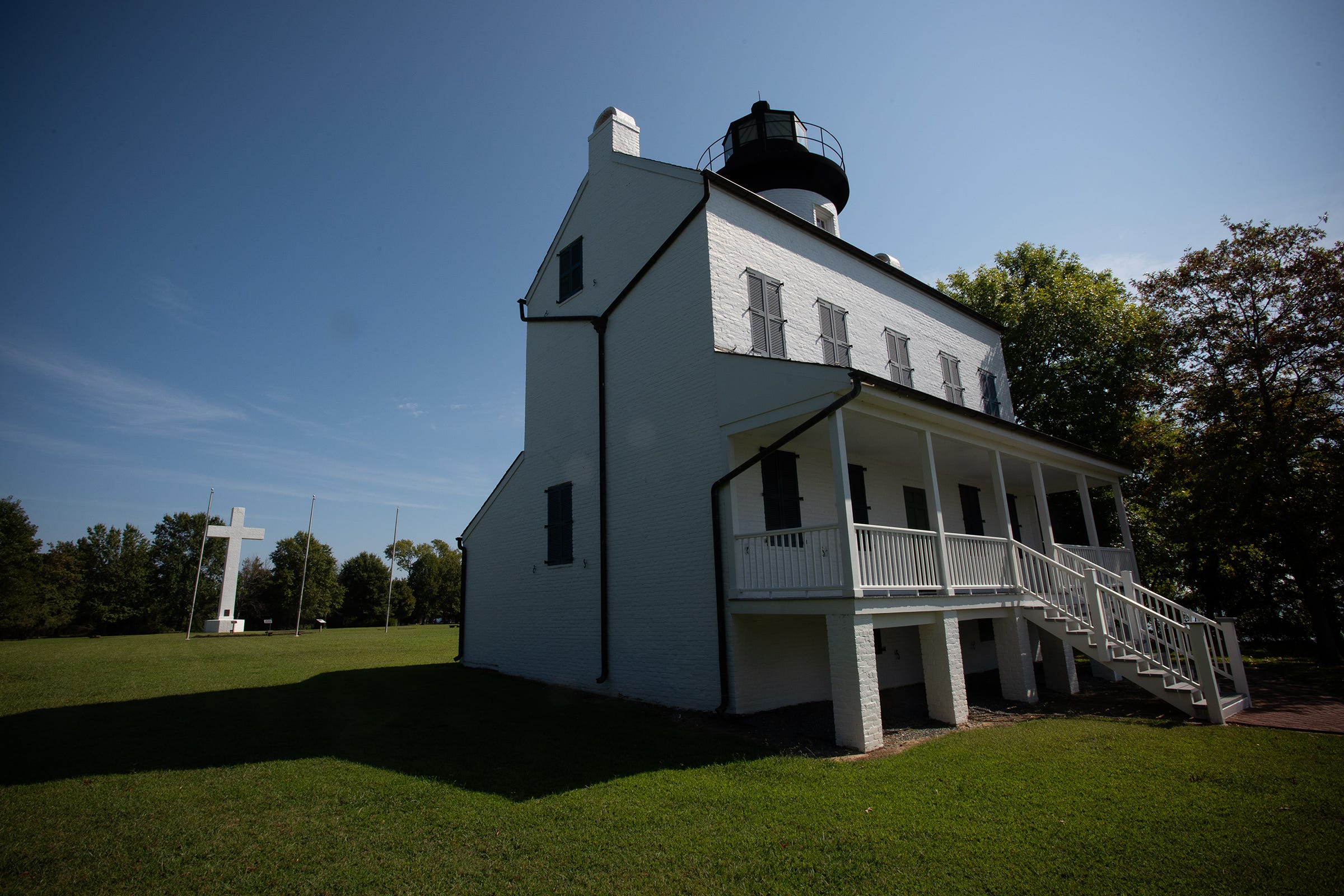
That simple act, Mass and a cross on a quiet island in the Potomac, marked the spiritual beginning of Catholicism in what would become the United States. Today a towering memorial cross stands near the center of St. Clement’s Island to commemorate that moment. And each year on Maryland Day, pilgrims return.
A Mass Four Centuries Later
This year’s commemoration looked a little different.
Normally, Maryland Day at St. Clement’s Island includes historical reenactments and community festivities honoring the founding of the colony. But with construction underway for the new St. Clement’s Island Museum, many of the usual events were paused. One thing, however, remained: the Mass.
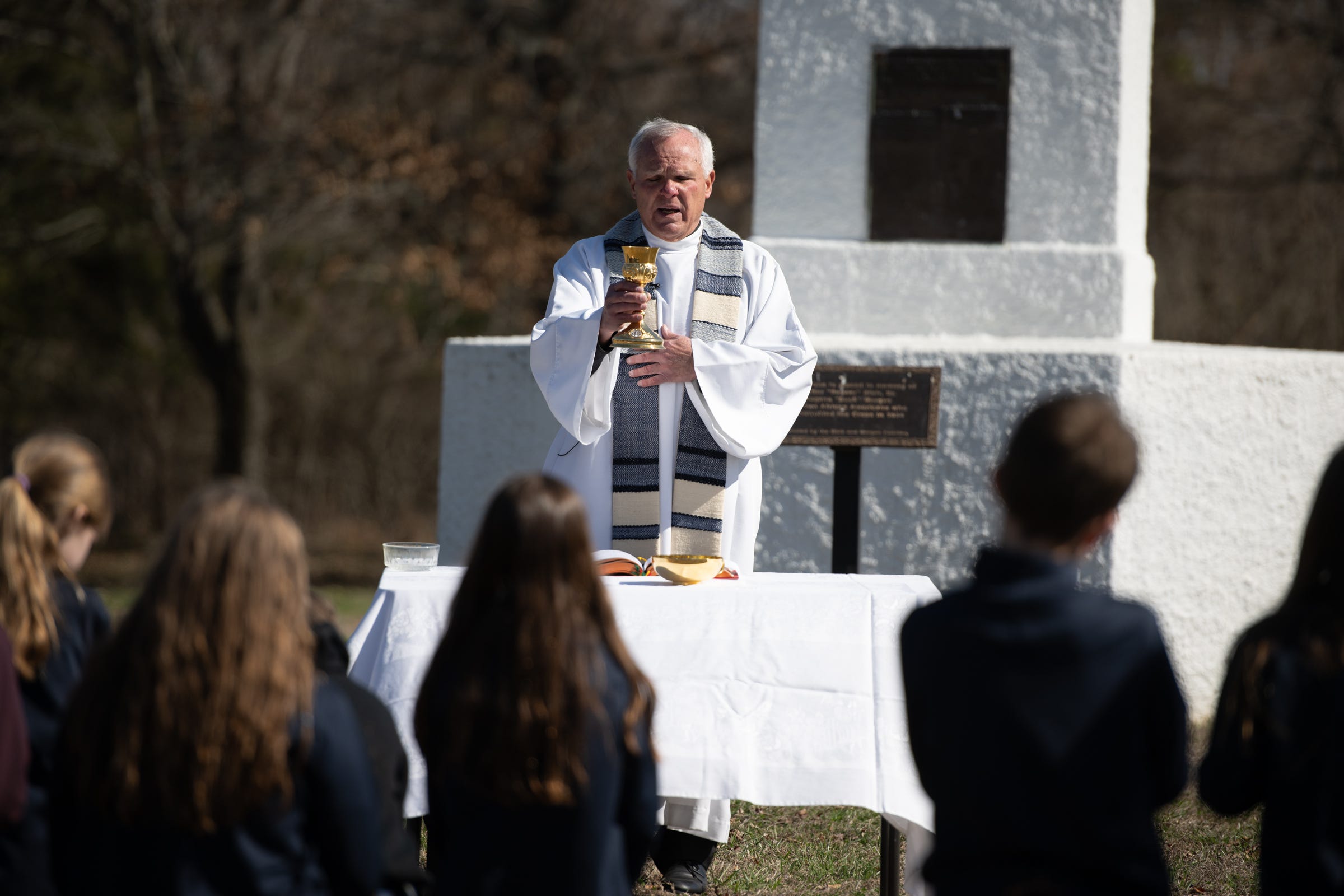
On the morning of March 25, again the Feast of the Annunciation, pilgrims gathered once more on the island where the first Mass in the English colonies had been celebrated nearly four centuries earlier. The celebrant was Father Mark Horak, S.J., with Jesuit novice Andrew Lucas, S.J., preaching the homily.
Among those present were Sheriff Steven A. Hall, the 135th Sheriff of St. Mary’s County, and Mike Hutson, Vice President of the St. Clement’s Island One Hundred, an organization deeply devoted to preserving the history and legacy of the island. Both men happened to be celebrating birthdays that day, March 25, the same date on which the first Mass in the colonies had been celebrated.
It felt like the kind of historical coincidence that makes this place so remarkable.
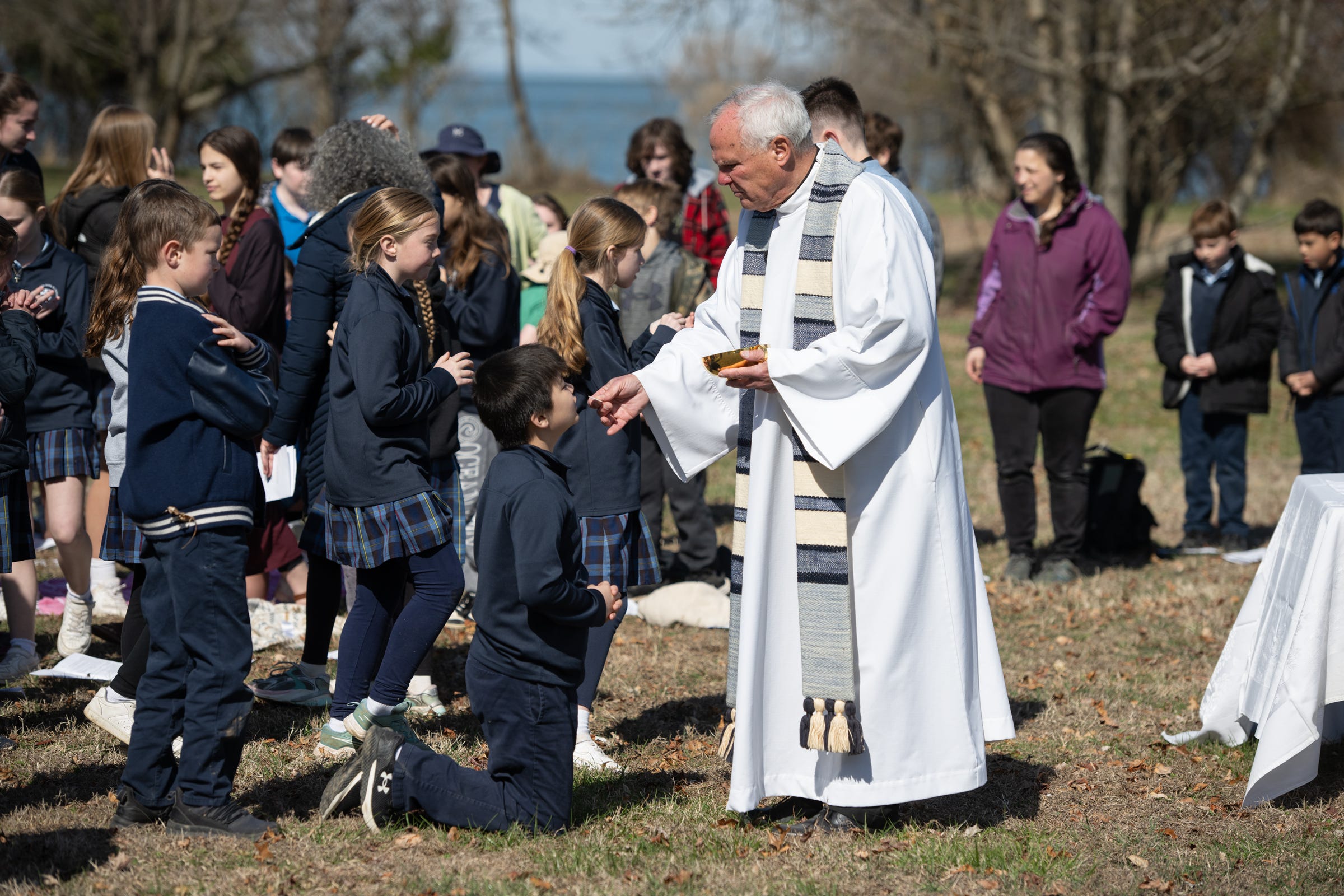
Across the centuries, new generations continue to gather here, drawn by the same story and committed to ensuring it is never forgotten.
The Other Cross
For many years another powerful symbol has been connected to the island.
An iron cross, heavy, hand-forged and nearly four feet tall, hangs today in Dahlgren Chapel at Georgetown University in Washington, D.C. Tradition holds that the cross came with the first settlers aboard the Ark and the Dove and may even have been fashioned from iron carried on the voyage itself.
In past commemorations the cross has occasionally been brought back to St. Clement’s Island for the Maryland Day celebrations. It was not present this year. Yet the possibility that it once traveled with those early settlers still captures the imagination.
If iron could remember, that cross might hold the memory of Atlantic storms, the prayers of frightened passengers, and perhaps even the first Mass celebrated in the English colonies.
A Freedom That Endures
The dream that began on this island was fragile. The early Maryland colony would struggle. Religious tensions would rise. Jesuit missionaries would face persecution, and Father Andrew White himself would eventually be arrested and sent back to England in chains.
History rarely unfolds in a straight line.
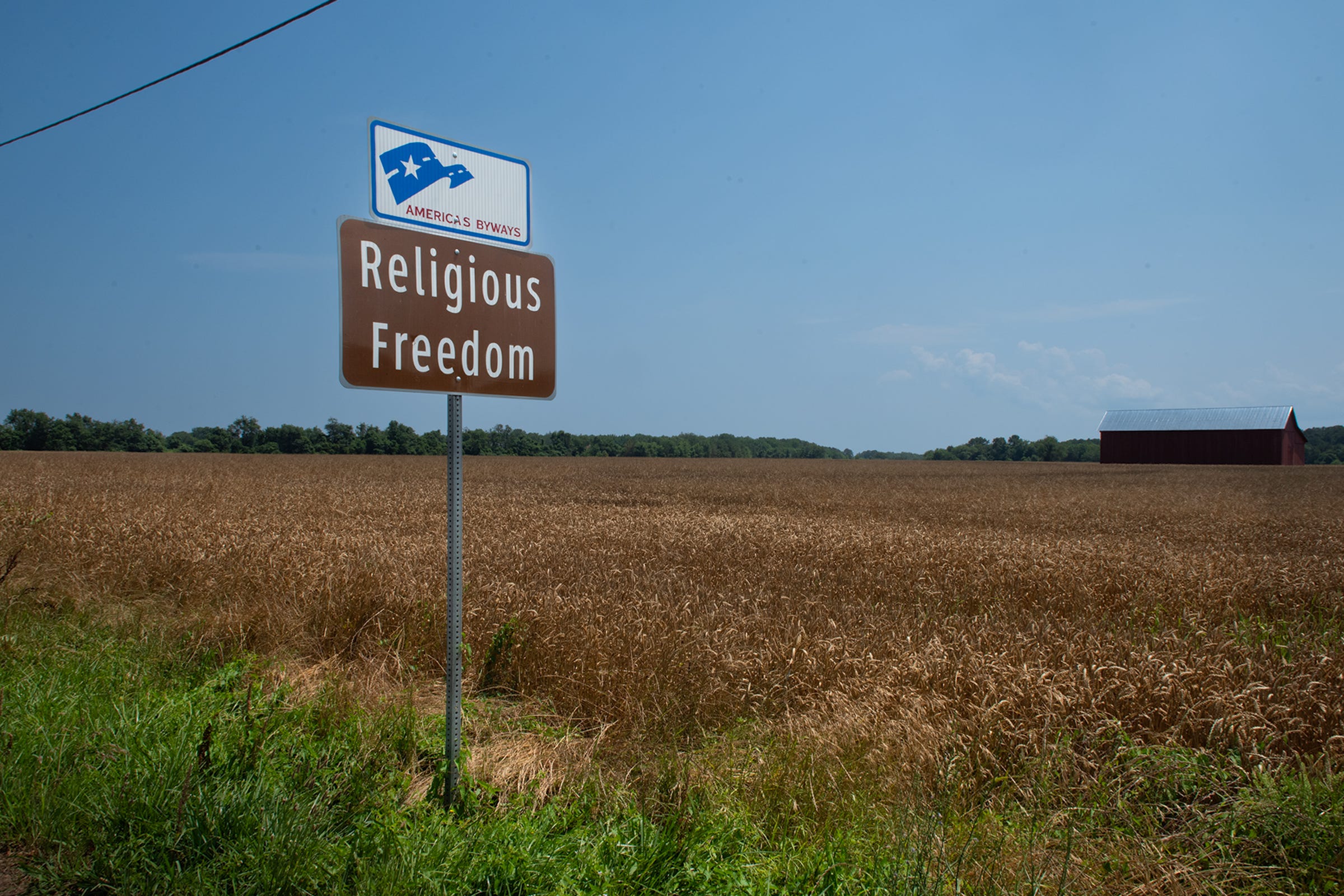
Yet the idea planted here that people should be free to worship according to conscience would endure. That principle would eventually echo far beyond the shores of the Potomac River. It would become part of the American experiment itself.
And nearly four centuries later, on the Feast of the Annunciation, pilgrims once again gathered on the tiny island.
The larger celebrations may have been paused this year.
But the Mass remained.
And on that quiet island in the Potomac, just as it had in 1634, the story of religious freedom was celebrated once more with the same simple act: a priest at the altar, the faithful gathered, and Christ made present again on the very soil where it all began.
For more information St. Clements Island and St. Mary’s City, visit:
https://dnr.maryland.gov/publiclands/pages/southern/stclements.aspx
Thanks for reading! This is a truly independent, reader-supported periodical. Your support is crucial. If you are able, please consider a paid subscription or making a ‘Patron of the Arts’ donation of any amount. By doing so, you are not just supporting this effort; you’re a vital part of this mission.
You have my heartfelt thanks for your generosity and support, and please keep me in your prayers, and know of mine for each of you. God Bless, Jeff
Such a significant but little known site in the landscape of American Catholicism. Thank you for bringing it again to the fore.
My ancestor Thomas Price came to America on that voyage. He is our first known ancestor to arrive here.