

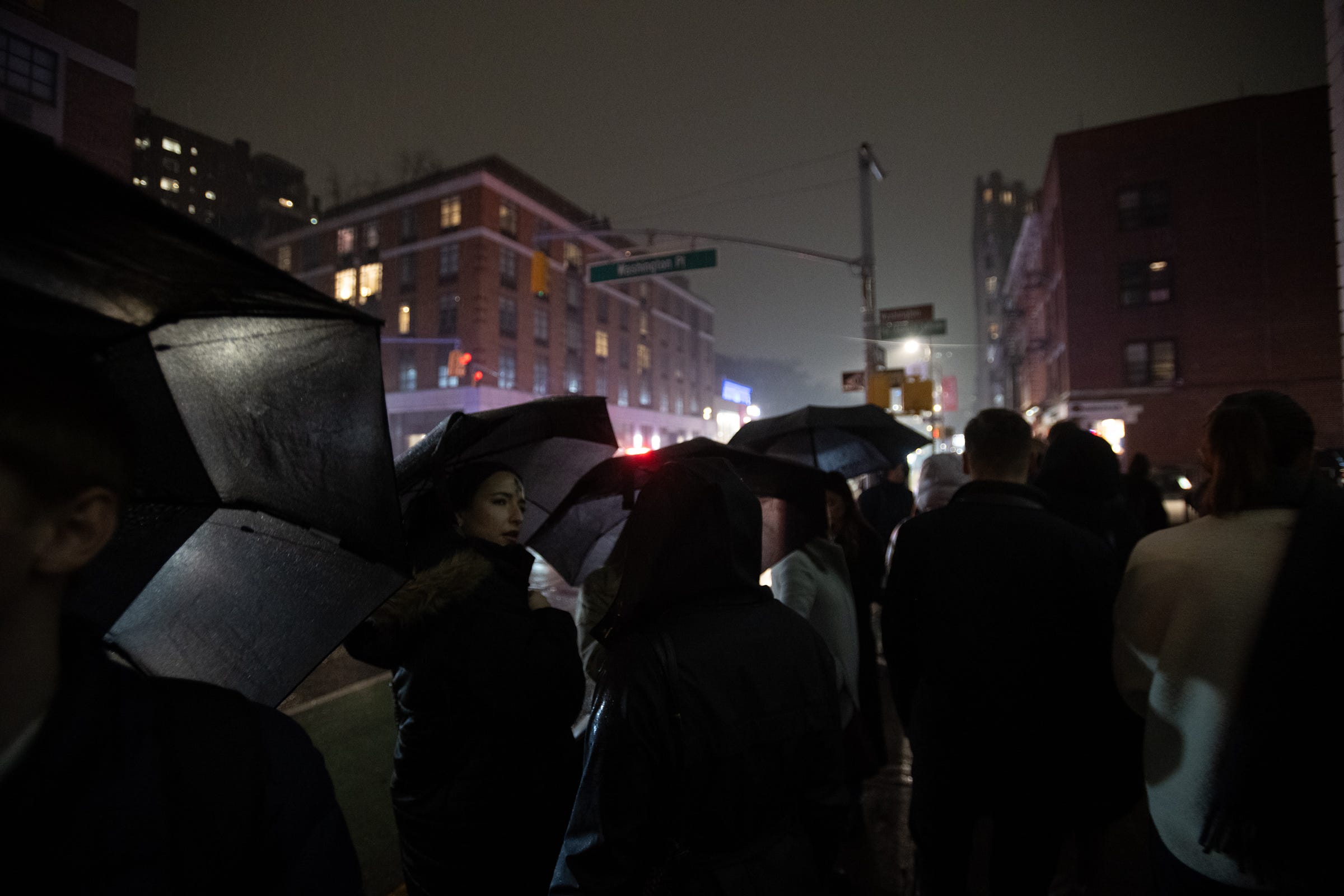
The road into East Germany looked like it had given up.
Potholes swallowed the asphalt. Concrete crumbled into gravel. Gray apartment blocks sagged beneath a sky the color of an old battleship. From the window of a gleaming Eagle tour bus, absurdly polished against the ruin, I watched a defeated world sink slowly back into the earth.
It was 1991.
My generation had grown up with the low-grade dread of nuclear annihilation. Air-raid sirens in our imaginations, Cold War thrillers in every movie theater, the Soviets cast as permanent villains in a story that felt destined to end in flames.
And yet, here we were.
The Wall had fallen.
I was in my early twenties, touring Europe with a German heavy metal band, hired as a guitarist/keyboardist, a life that now feels like it belonged to someone else.
As we crossed what had once been the most fortified border on earth, I stared at the remains of watchtowers that stood empty, their concrete faces now tattooed with graffiti and freedom slogans where machine guns once scanned for escapees.
No one on the bus spoke much.
Then I noticed our tour manager, a German whose name I no longer trust myself to remember, leaning toward the window. His face had changed. It wasn’t curiosity. It was closer to pain, the kind that arrives when you pass through a place your body remembers, even if you haven’t spoken of it in years. He leaned forward and said something to the bus driver. I didn’t understand the words, but I understood the driver’s response: his face went serious, and he slowly shook his head.
I never learned what passed between them.
But I understood, watching those two men, that what I was seeing from my side of the glass was scenery. To them, it was personal. This wasn’t a continent away from where they lived. They had carried the story of this place, the fear, the division, the sealed border, their entire lives. The ruins outside the window were not merely a backdrop for my misadventures.
They were the architecture of a wound.
That was the moment the fall of the Wall became real to me. Not as a news event, but as something written on a man’s face.
By the time we reached Berlin, the streets pulsed with something I had never felt before. Not celebration exactly, and not relief alone. It was closer to stunned joy. Strangers embraced. People laughed and cried in the same breath. There was a shared expression everywhere you looked…
Is this really happening?
A weight had lifted from millions of souls at once, and no one quite knew what to do with the sudden lightness.
I’ve never forgotten that feeling.
Fast forward to last week.
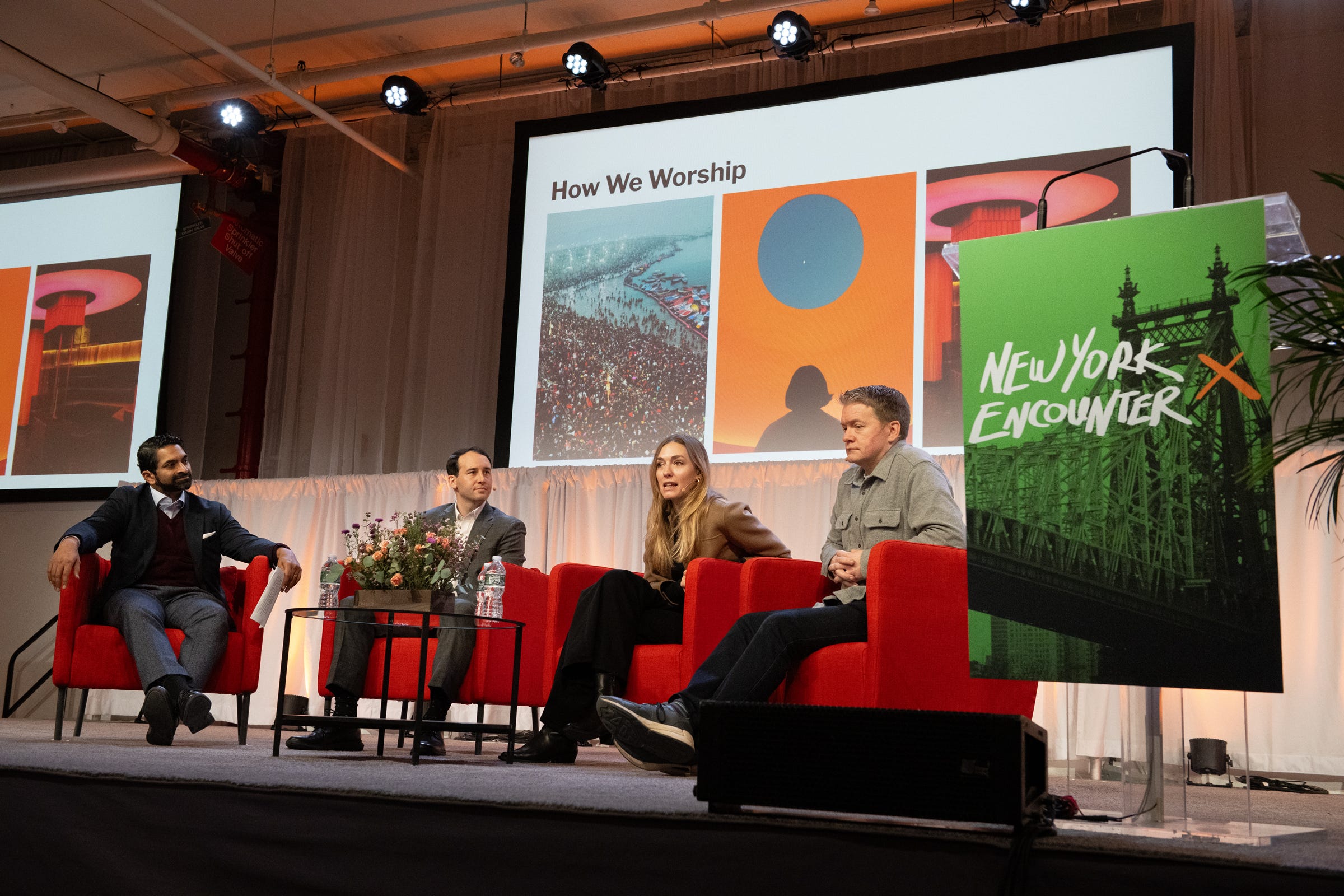
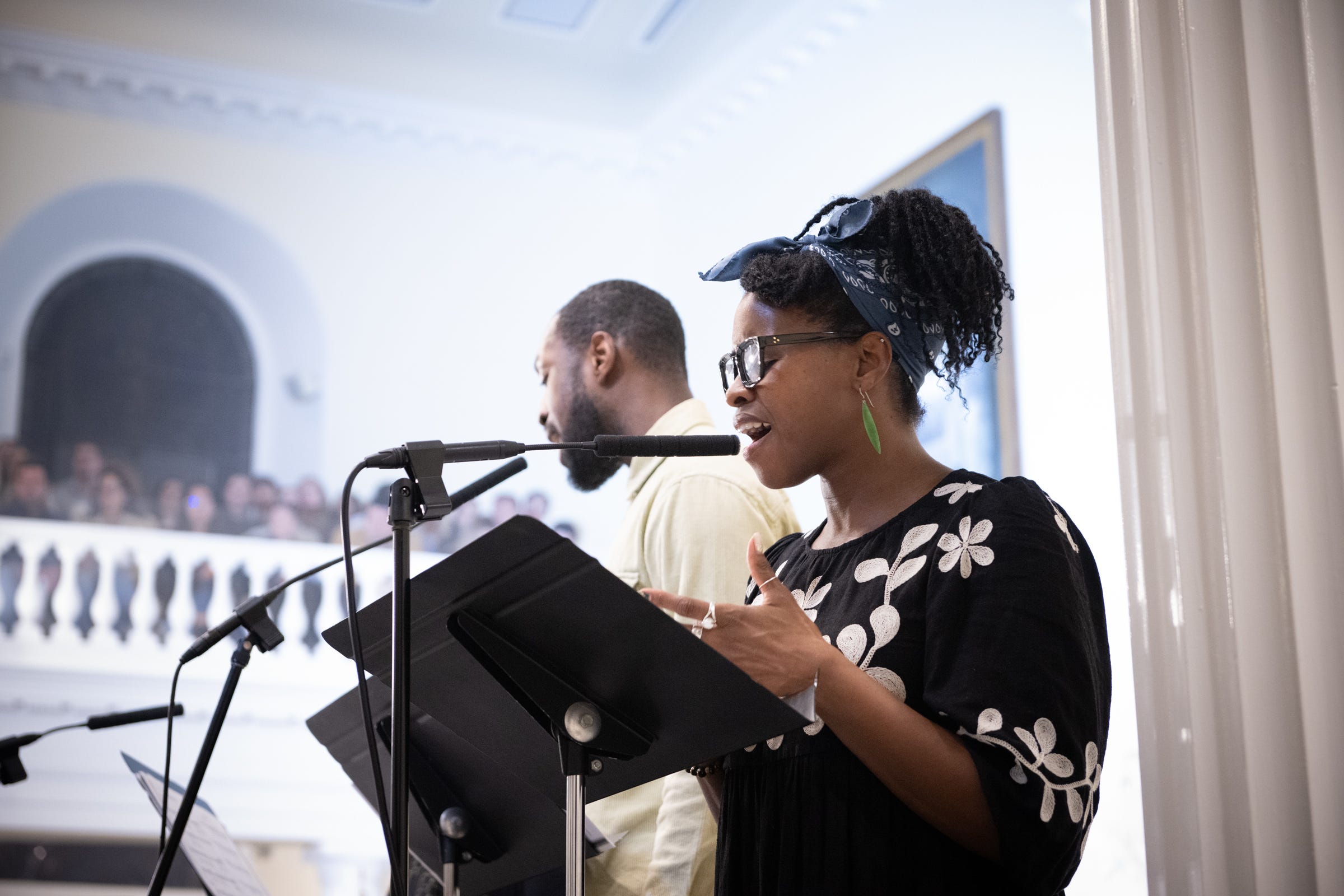
I found myself inside the New York Encounter, the annual cultural gathering organized by Communion and Liberation, a place where faith, art, politics, and the human search for meaning meet in open conversation.
One panel asked a deceptively simple question: Is religion returning in America?
The scholars and journalists onstage weighed their words carefully. The data suggests something is shifting. Religious decline appears to be slowing. Belief remains widespread. Many Americans still pray…
And yet the pews have not suddenly filled they claimed. A revival, they suggested, may be too strong a word.
Listening, I understood their caution.
They study patterns.
I stand in pews.

What they described hinted at what you’d find on the ground…but was incomplete.
Because not everything is visible in data.
Sometimes it appears in the streets.
A few days after the Encounter, I slipped back into the restless current of Manhattan life. Taxis surging through intersections, steam lazily rising from manhole covers, couriers and their insidious e-bikes weaving between pedestrians.
And then I saw it.
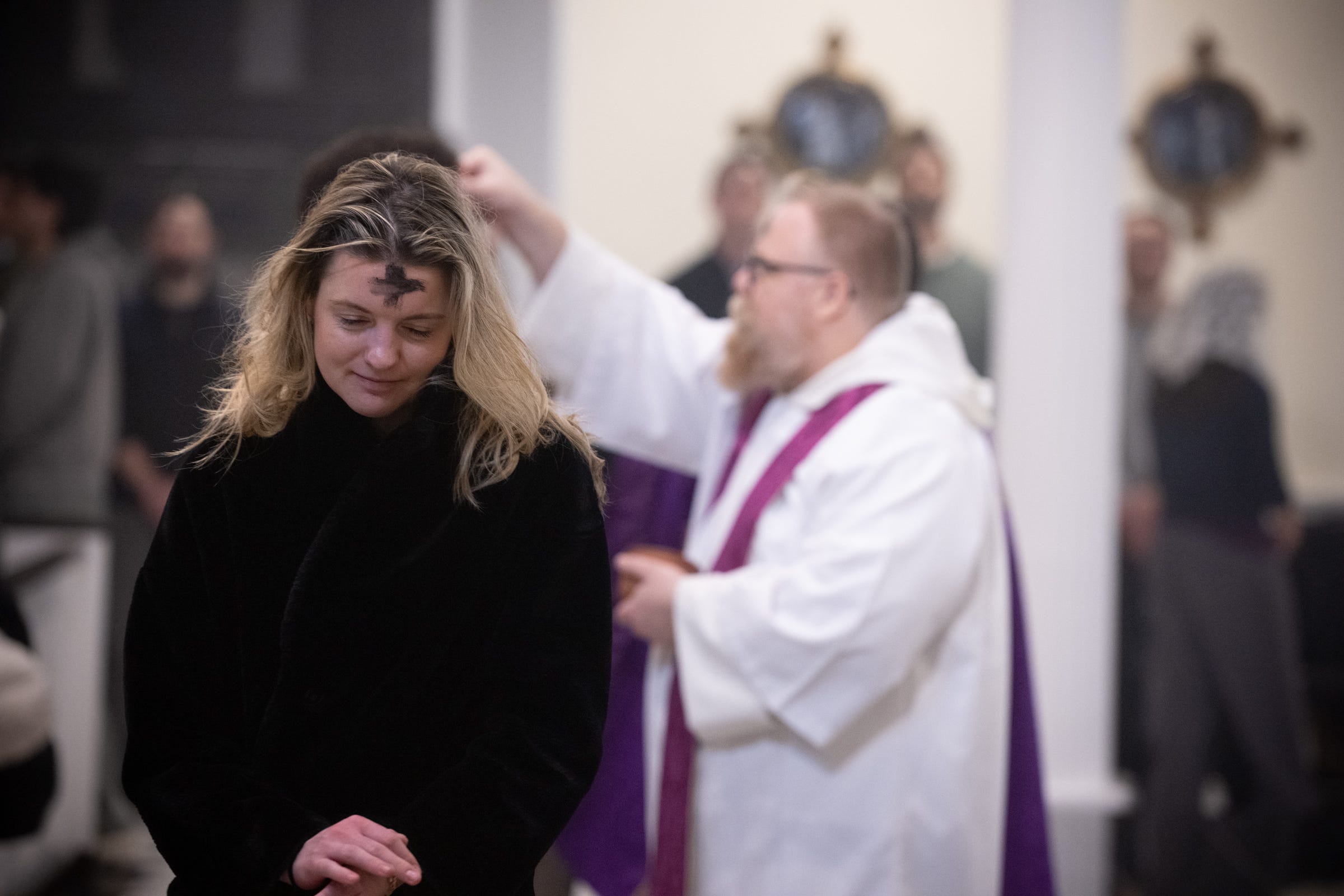
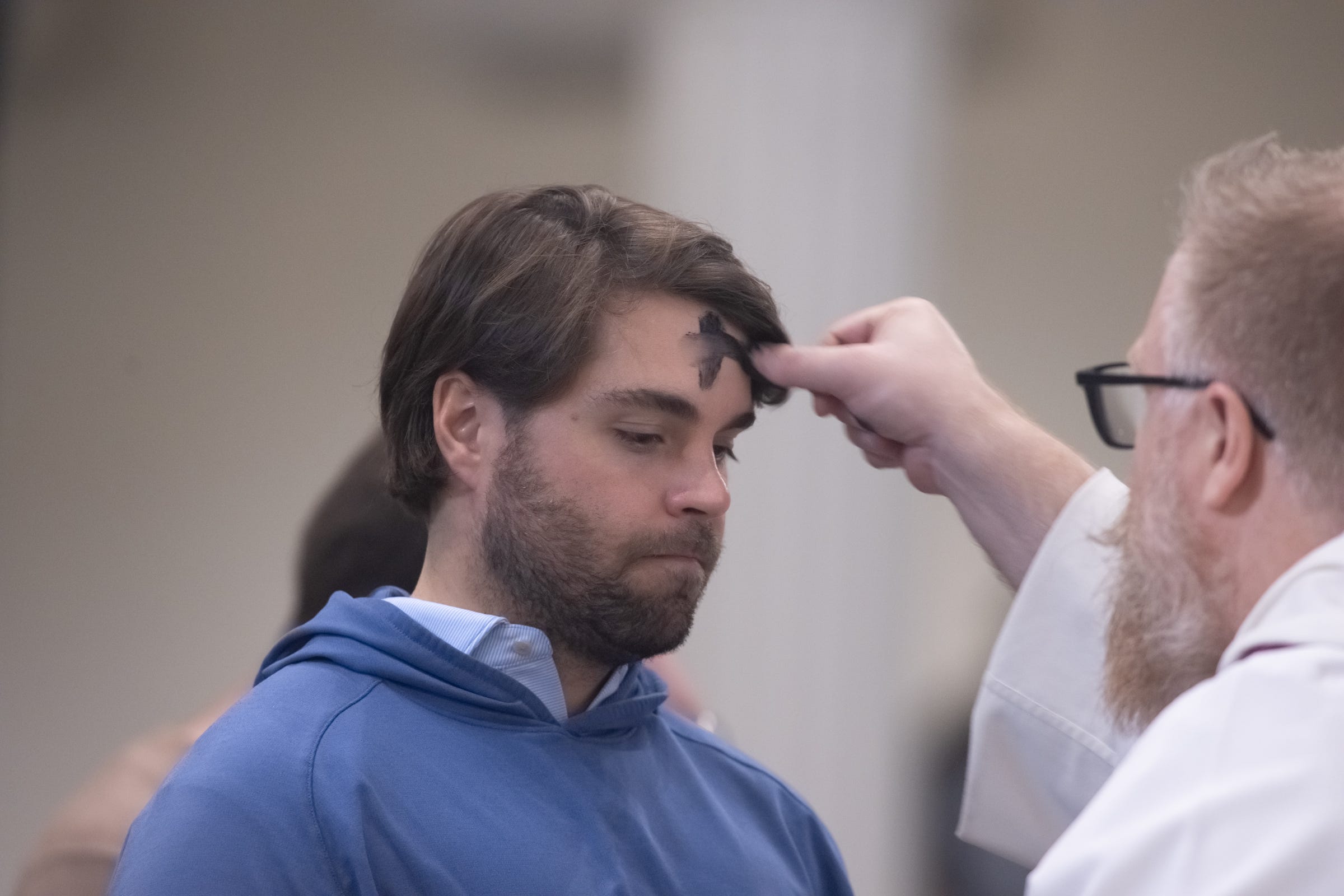
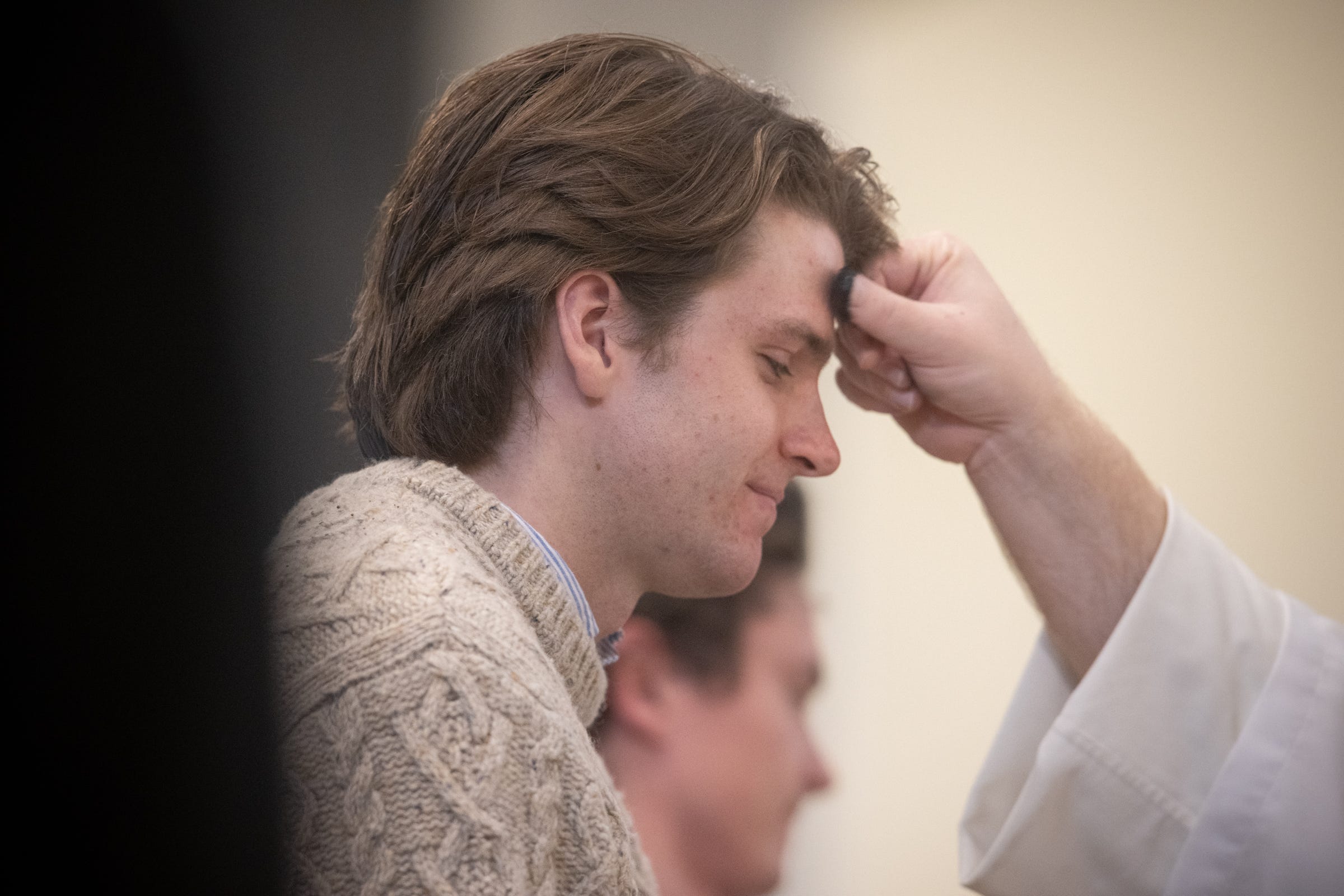
A smudge of ash on a man’s forehead, waiting for the light to change.
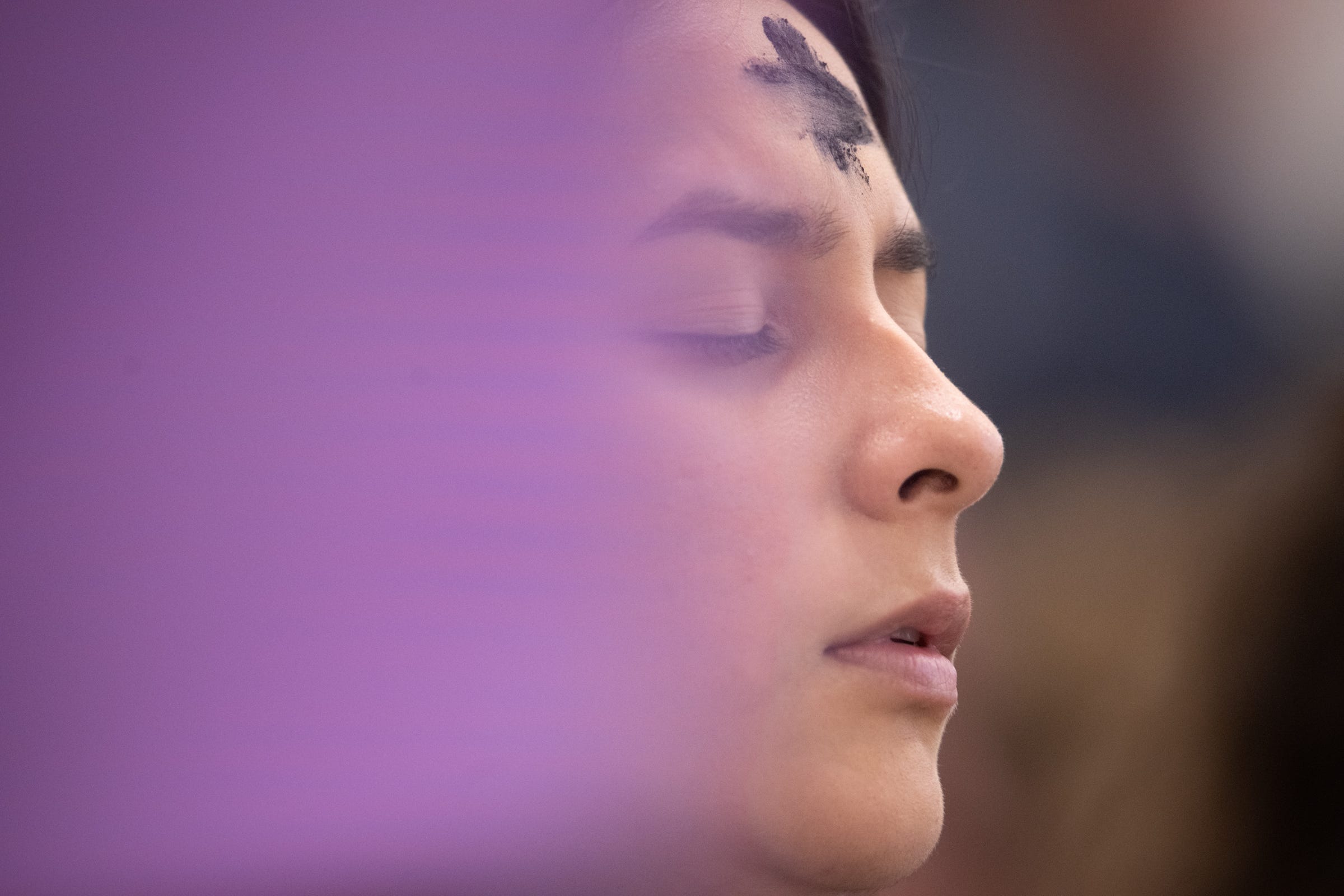
A young woman descending the subway steps, a dark cross visible just beneath the fringe of her hair.
A construction worker in a hard hat, the black mark stark against the dust of his trade.
Then another.
And another.
Within a few blocks, I had stopped counting.
Ash Wednesday.
In a city that prides itself on reinvention and ambition, here was an ancient profession of faith carried openly through the noise and motion of modern life.
Remember that you are dust… and to dust you shall return.
The words are stark. Uncomfortable. Utterly out of step with a culture built on self-creation and personal freedom.
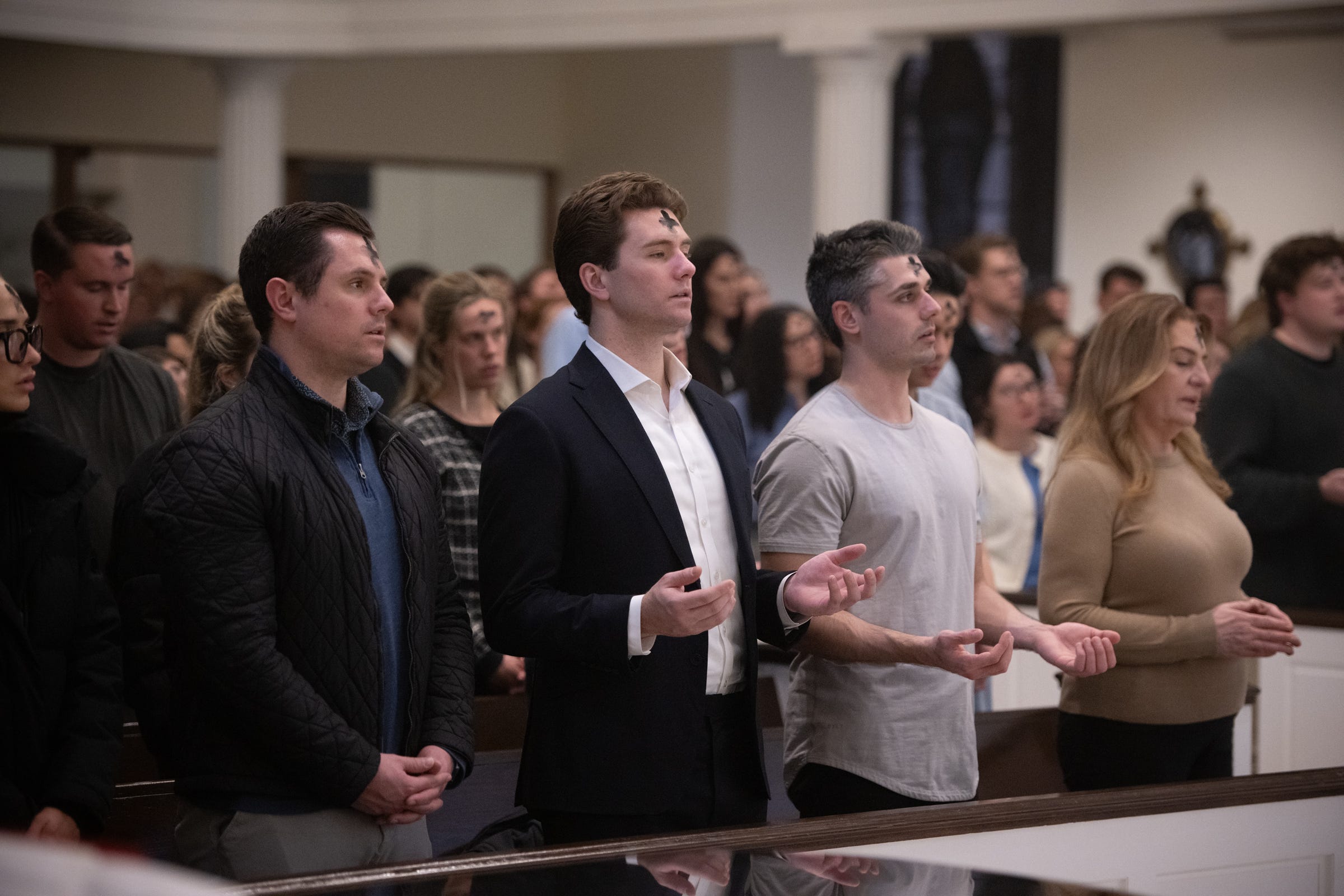
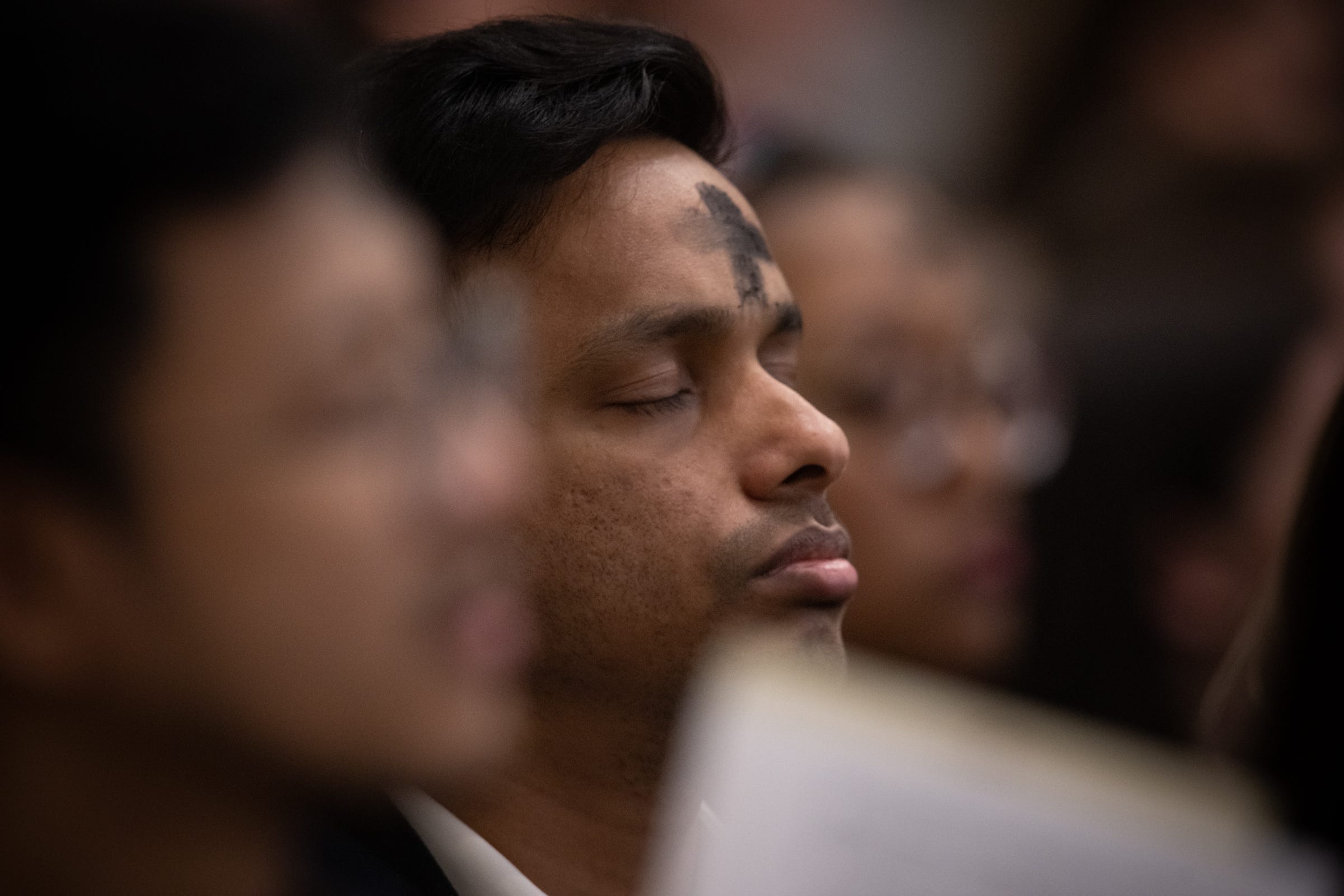
And yet the ashes were everywhere, on bankers and baristas, students and sanitation workers, young professionals hurrying between meetings. The ancient sign moved through the modern city without pretension, without spectacle, without apology.
This wasn’t a display of triumph or a show of religious muscle.
It was something else. Something humbler.
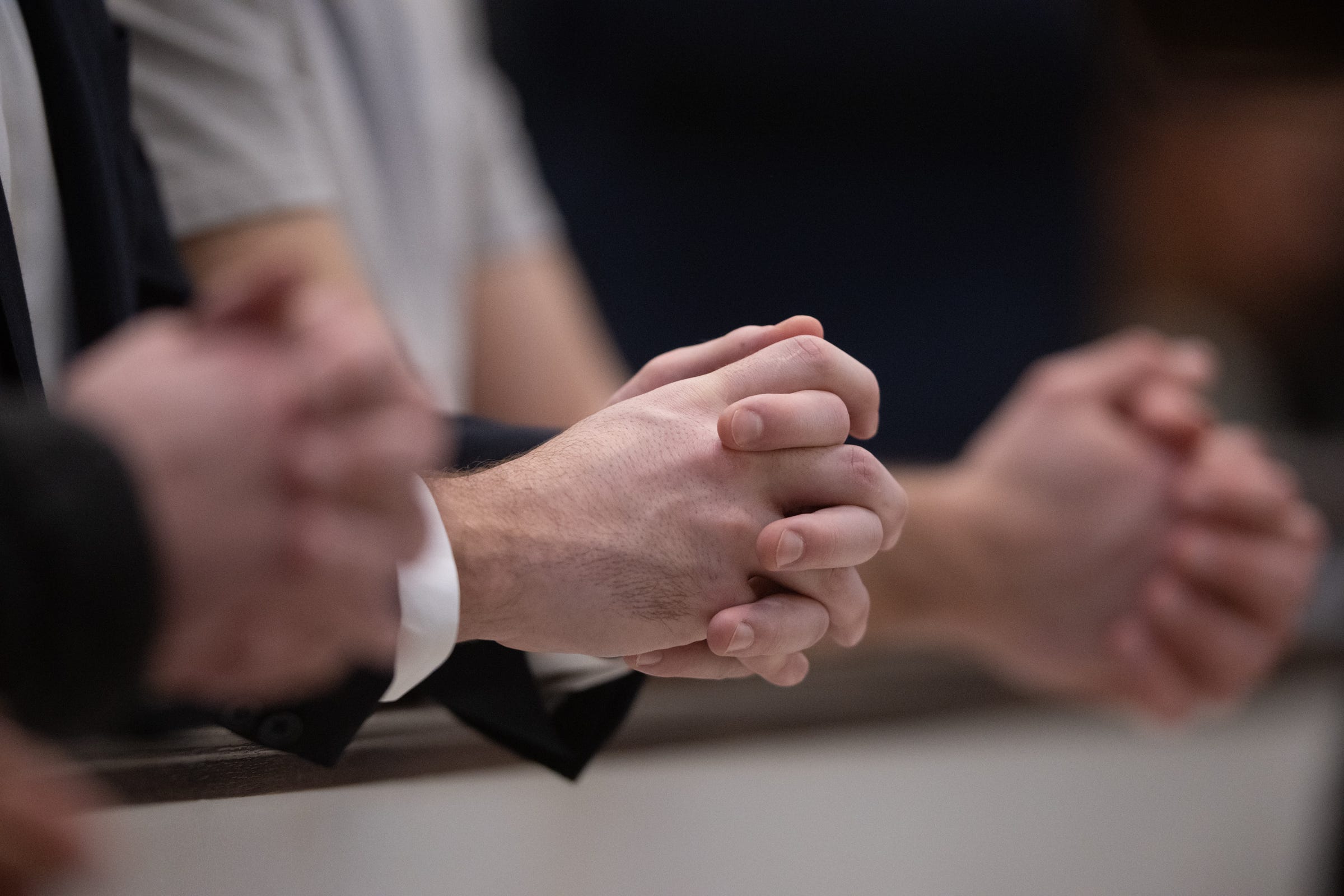
A public admission of mortality. A shared acknowledgment of need. A visible hunger for mercy.
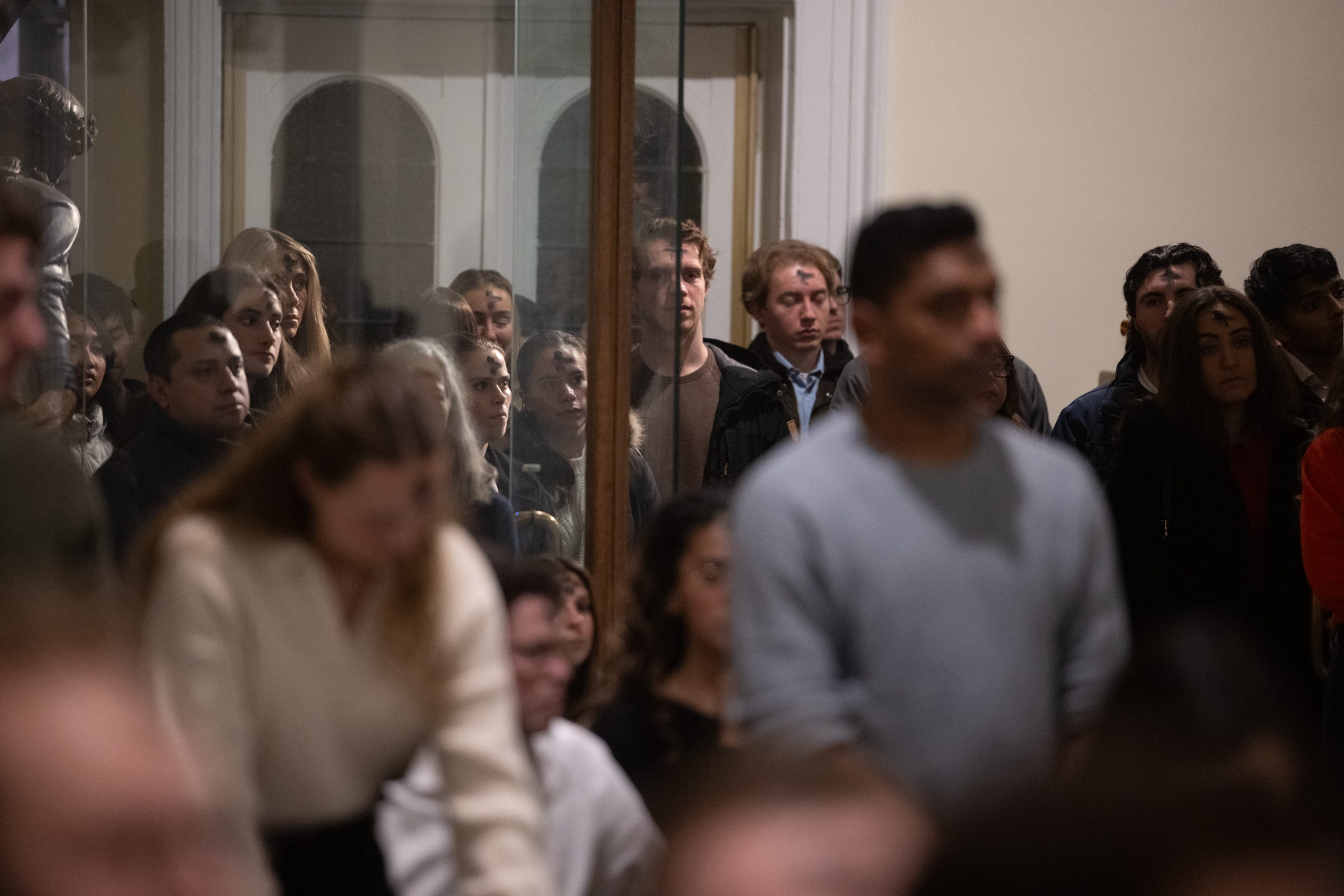
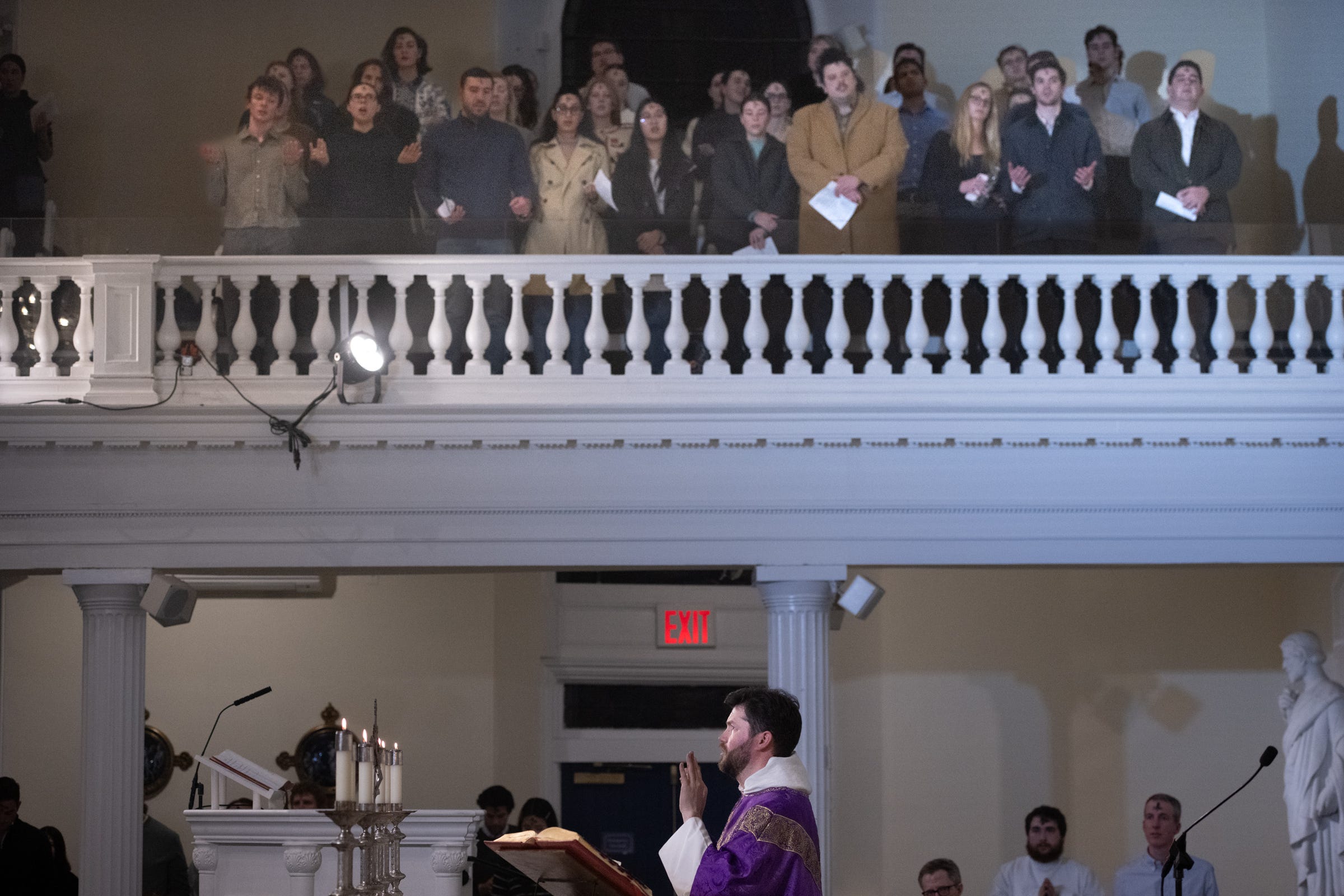
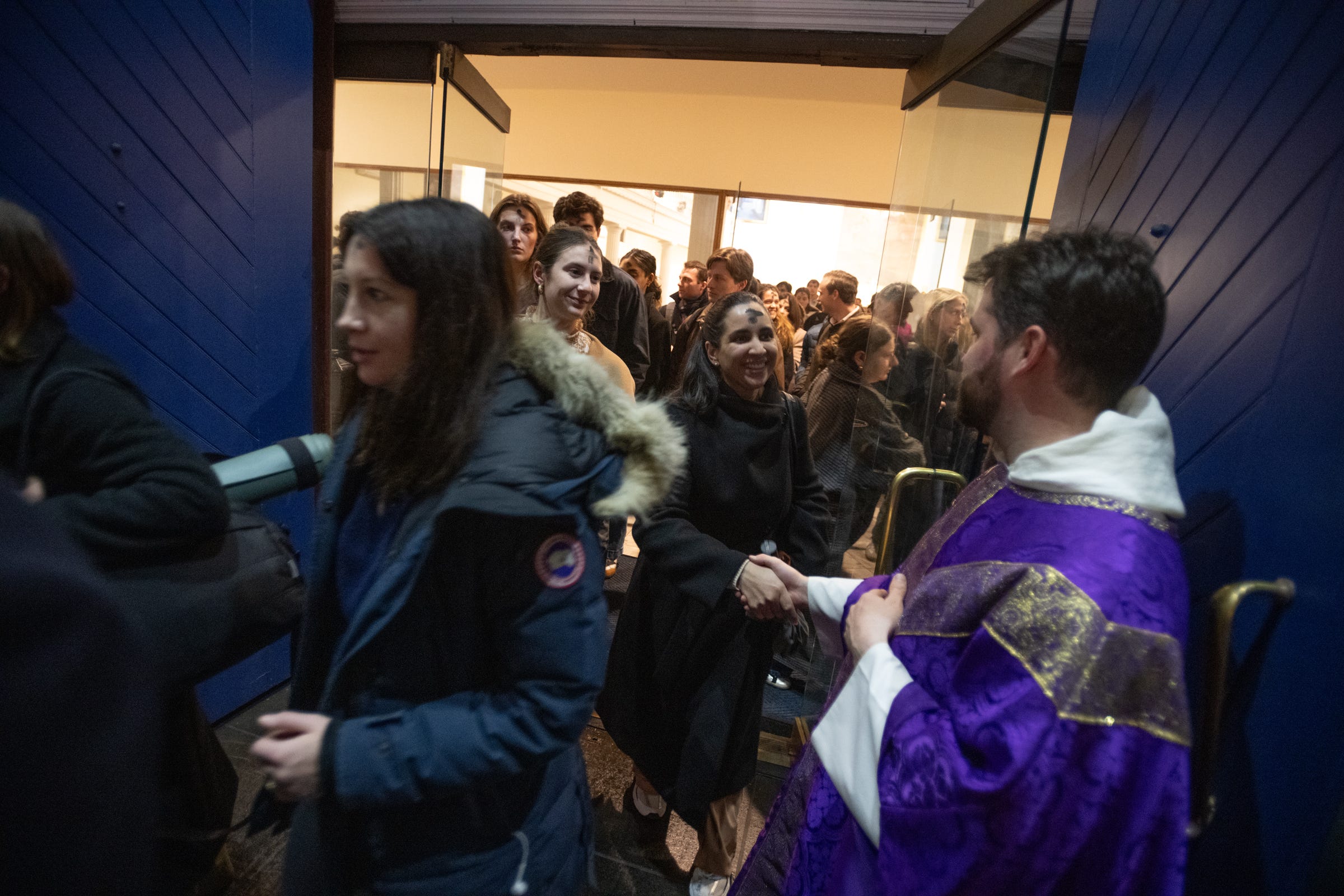
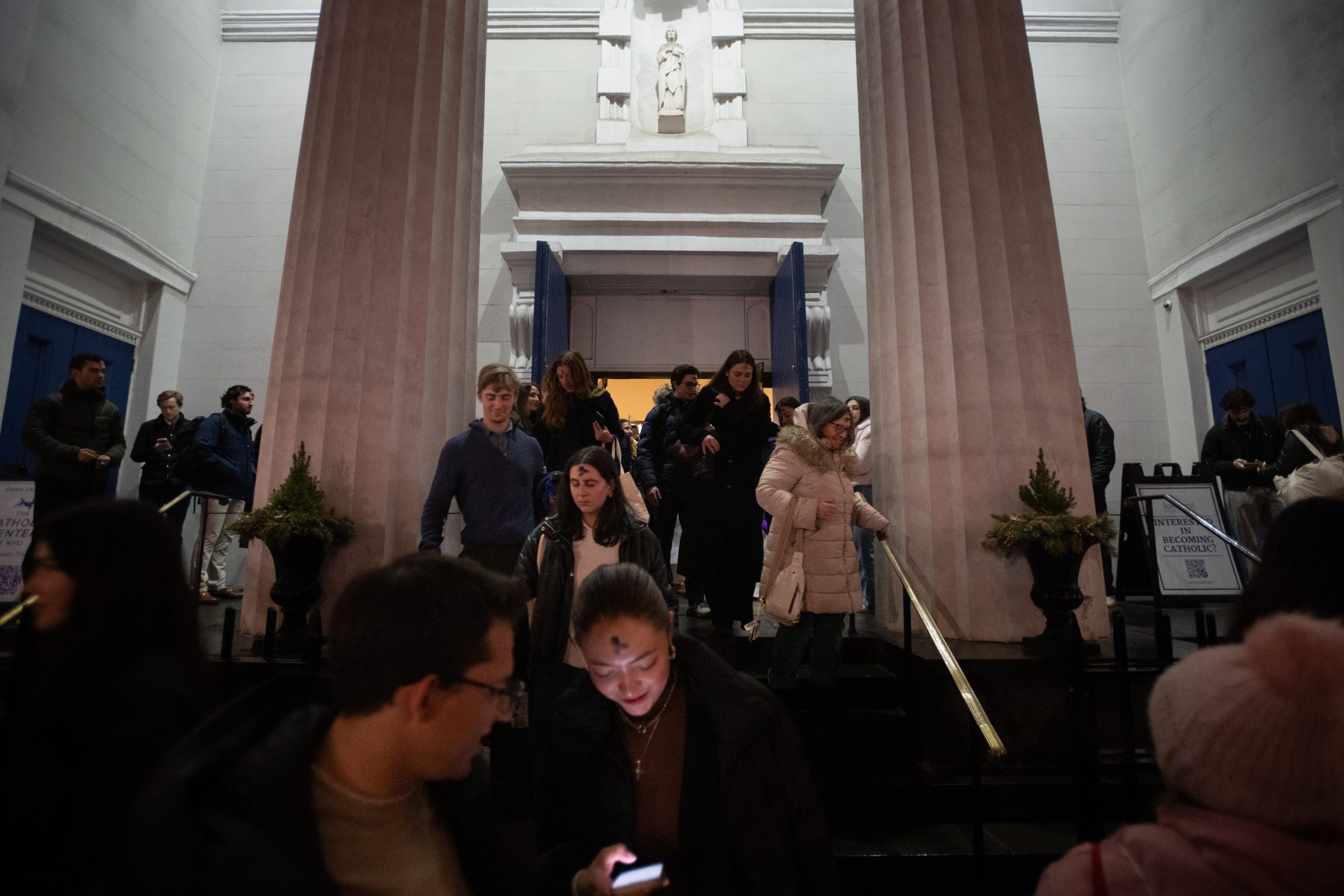
I walked crosstown toward St. Joseph’s in Greenwich Village, where my friends the Dominican Friars would soon begin the 7:00 pm Mass for Ash Wednesday…
Nothing could have prepared for me what I experienced next.
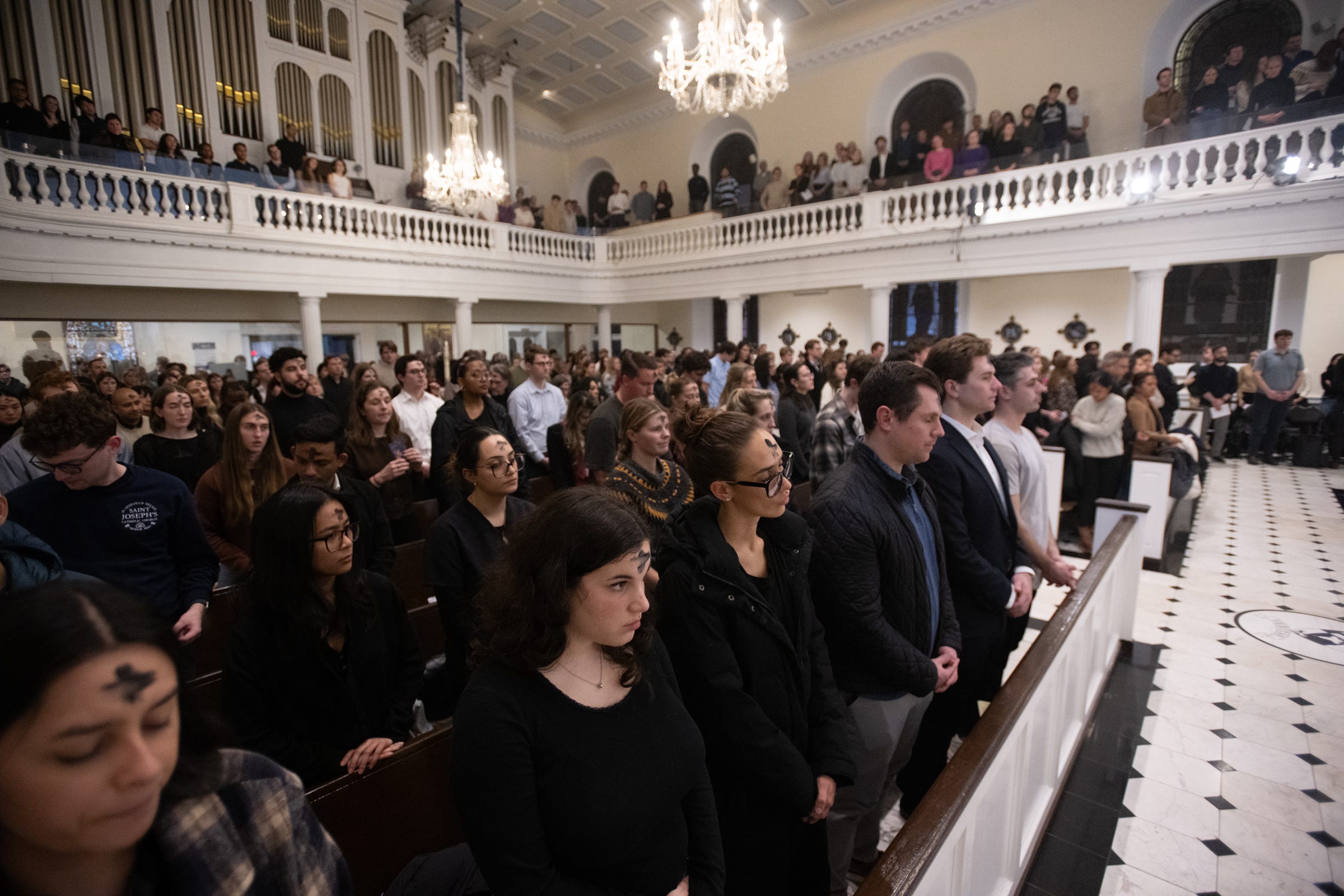
As I passed through the iron gates of St. Joseph's, I was greeted by a standing-room-only crowd of young adults. Professionals. Students. Seekers.
I couldn’t suppress my smile, and the unexpected feeling rising within me.
Familiar, electric, almost disorienting.
I’d felt it before.
Berlin, 1991.
That same stunned awareness, that staggeringly, joyful disbelief. That same sense of a seismic shift is taking place. And that same question hanging in the air:
Is this really happening?
That feeling didn’t come from nowhere.
For the past several years I have found myself moving across the country with covering stories, and what I’ve witnessed, again and again, is the emerging of a church filled with a new sense of mission.
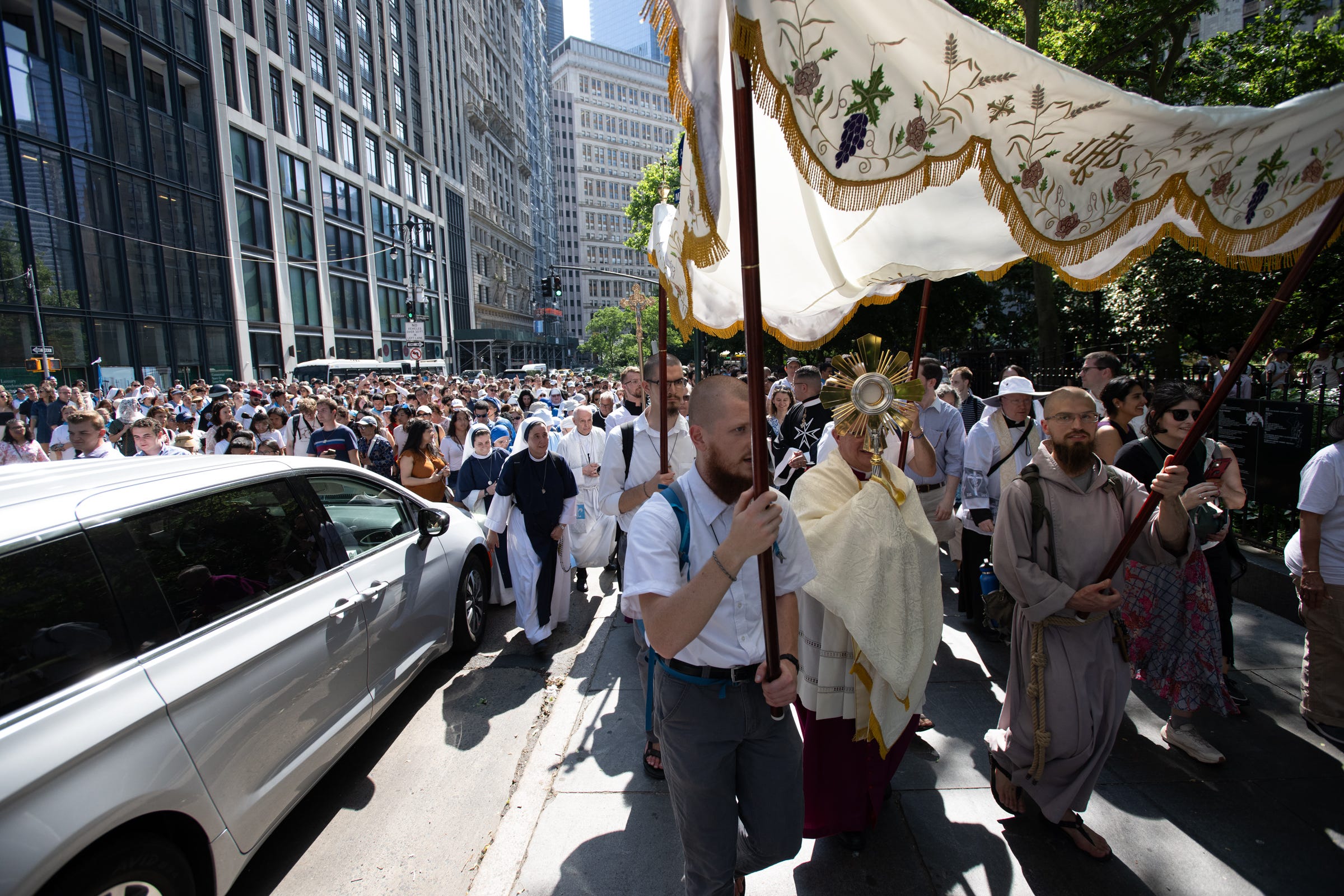
At the National Eucharistic Pilgrimage, I watched a monstrance carried through the cobbled streets of lower Manhattan under a full NYPD escort, officers halting traffic as the Blessed Sacrament passed between Wall Street and the South Street Seaport.
Last year, in a mission parish deep within the Navajo Nation, tribal elders spoke of expanding the Catholic school on their lands. In parishes across the country, priests told me their OCIA classes were full for the first time in decades, and young adults raised with little religious practice were asking questions their parents had stopped asking.
No headlines declared it. No metrics captured it.
But it was there.
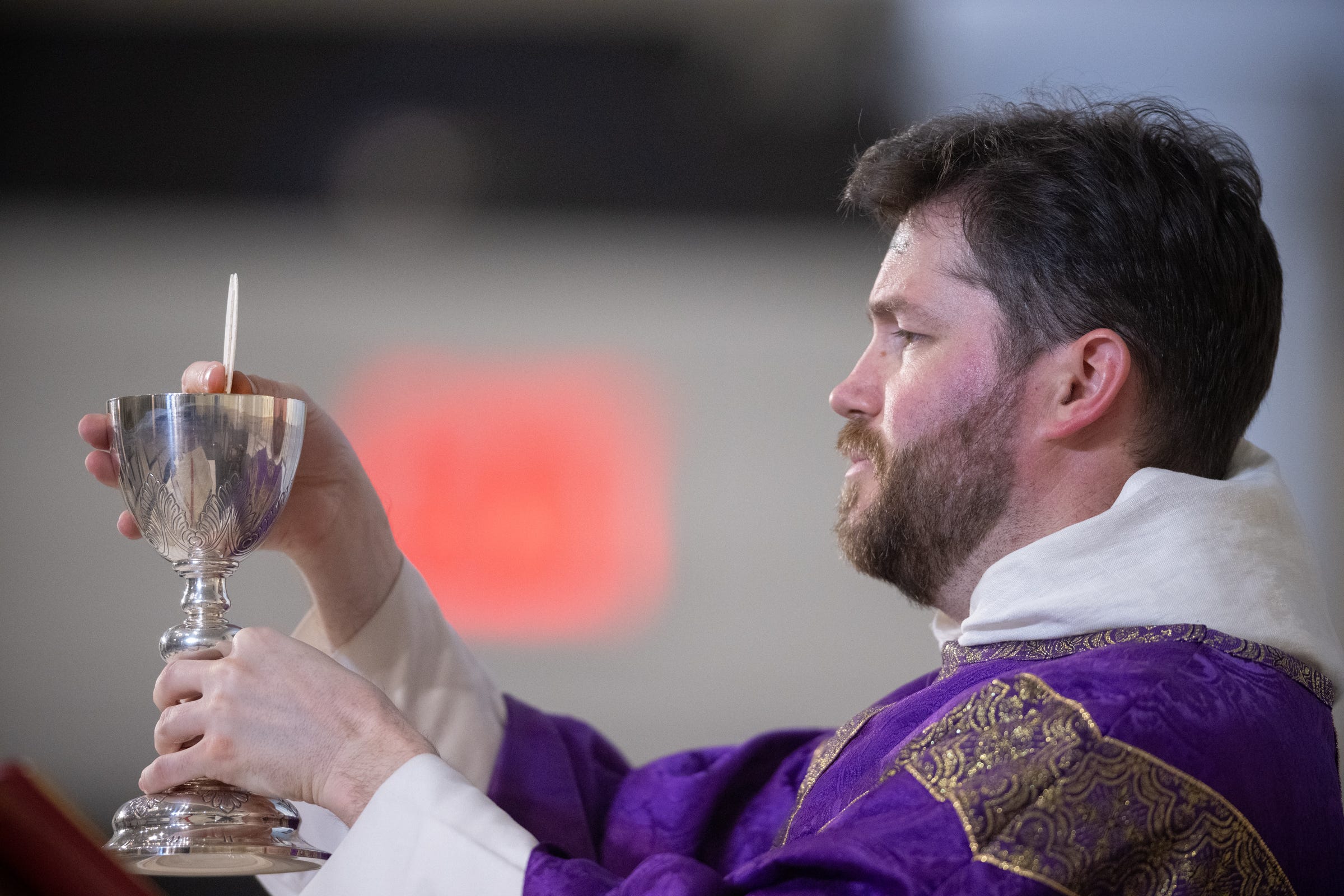
I’m not a sociologist. I’m not a pollster.
But I’ve stood in churches, on sidewalks, and along pilgrimage routes from coast to coast.
And from that vantage point, it’s impossible to escape the reality that something is changing.
What I felt when I stepped into St. Joseph’s, and what I had felt in Berlin decades earlier, was an overpowering sense of joyful, tearful disbelief.
Not at the triumph of one side over another, but at being there to be a witness the beginning of something so breathtaking, so beautiful…
I’ll leave it at this.
You can’t see this from 620 Eigth Avenue…
Perhaps you can’t see it in polls or big data…
You just have to be there to see for yourself, and then you’ll know.
Is there a religious revival happening now?
I’m not a betting man.
But if I were?
I’d bet the ranch on it.
Thank you for reading Words and Pictures.
This is an independent, reader-supported publication. No corporate sponsors. No editorial board. Just careful reporting, original photography, and stories told from the ground.
If this work matters to you, consider becoming a paid subscriber or joining as a Patron of the Arts. Your support makes projects like this possible.
You have my sincere gratitude for walking with me.
Jeffrey, your words and photographs always fill me with hope. Thank you!
Yes! Thank you for making this connection so eloquently. And the autobahns were littered with broken-down “Trabis “, East German cars, too feeble for the West. May we all leave our broken-down self-reliance in the ditches on our pilgrimage on and to His Freedom.