

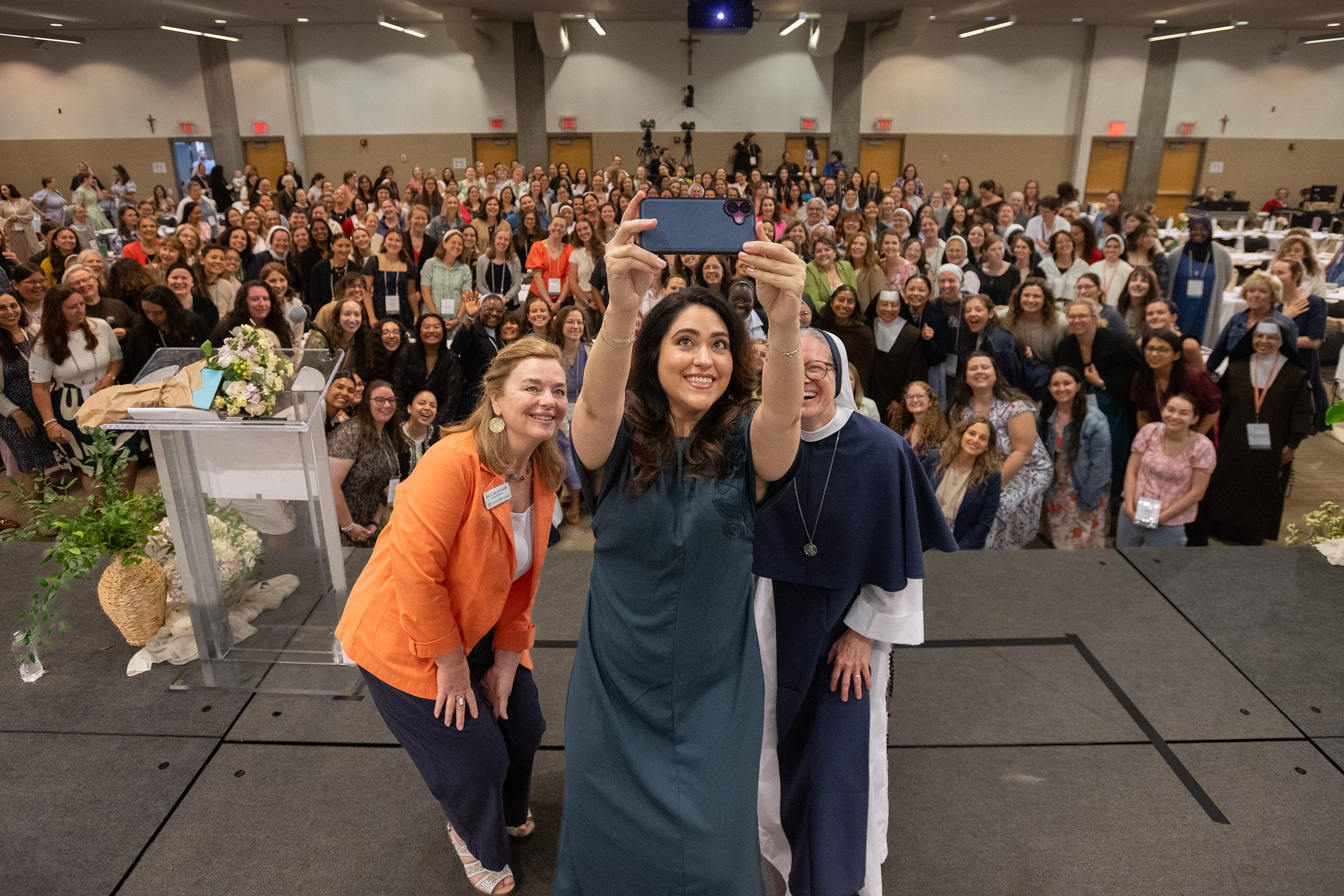
I don’t often interview people.
And in thinking about it, I’m not exactly sure why.
Perhaps it’s because in most cases I think I have a grasp of what’s before me. But as a man at a Catholic Womens Leadership Forum, I confess, I was out of my depth. And so, I did what every man does when he’s a bit lost.
He asks for directions.
Well, not exactly directions, because that’s not what guys do…ever.
But for guidance and insight.
And it led to some conversations with some women who were steeped in both.
This was a journey of discovery. And many of the truths revealed, the insights, are actually bigger than the forum, the participants, or even the Institute itself. Many were universal, just as the Church.
And it was breathtaking to behold.
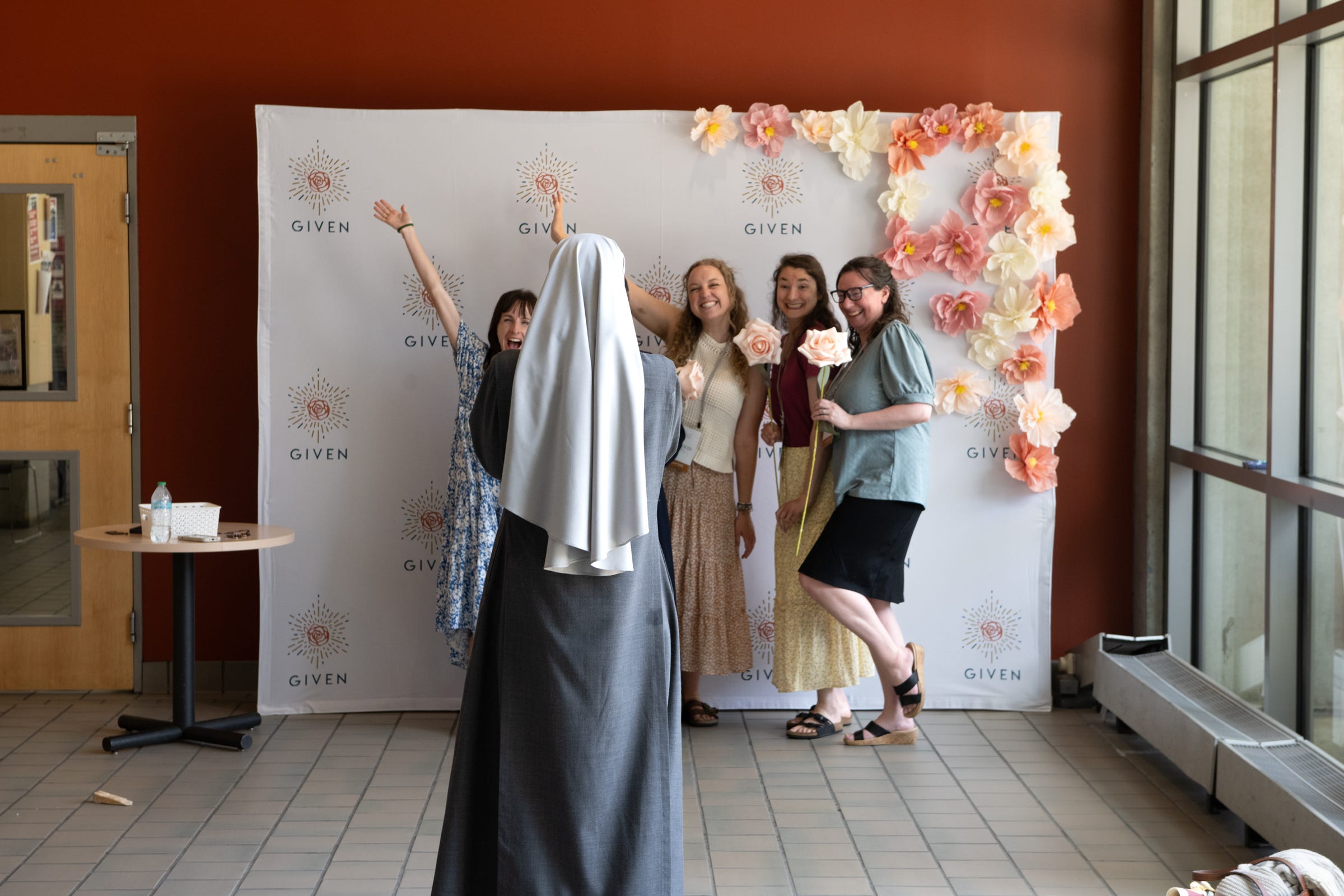
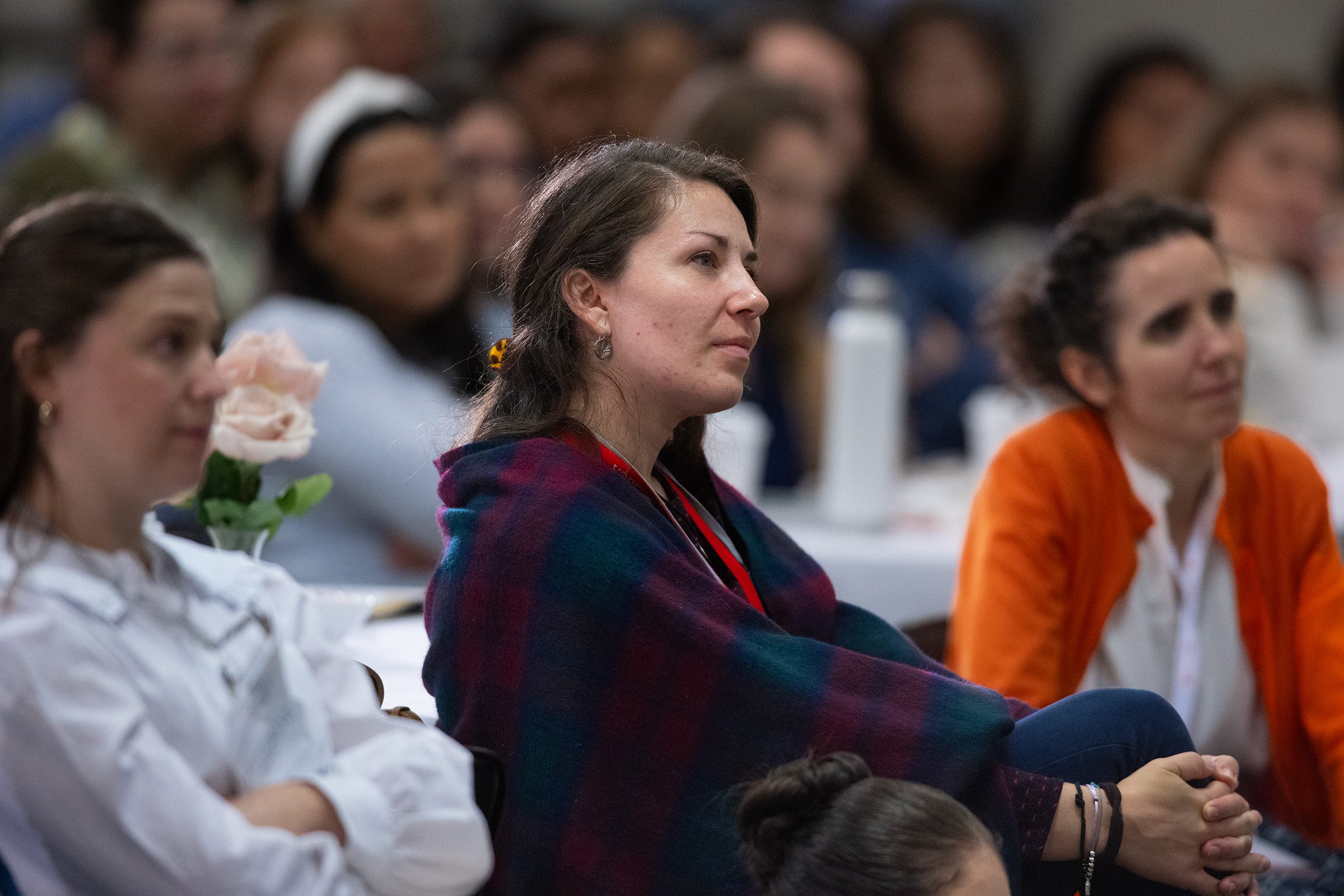
The Given Institute Forum, now in its tenth year, brings together Catholic women from across the country for several days of prayer, formation, and fellowship, encouraging them to discern and live out their unique gifts in service to the Church and the world.
This year’s Forum, held on the campus of the Catholic University of America, moves through three stages: receive the gift you are, realize the gifts you’ve been given, and respond with the gift only you can give. Over several days, though, that framework started opening up into something deeper.
Leadership at GIVEN was never talked about on its own. It was always tied to identity, receptivity, spiritual motherhood, and the quiet work of receiving love before trying to give it away.
The interviews that follow reveal what that looks like in practice. Different backgrounds. Different vocations. Different journeys. Yet woven through each conversation was the same trusting confidence that God was inviting them to something more.
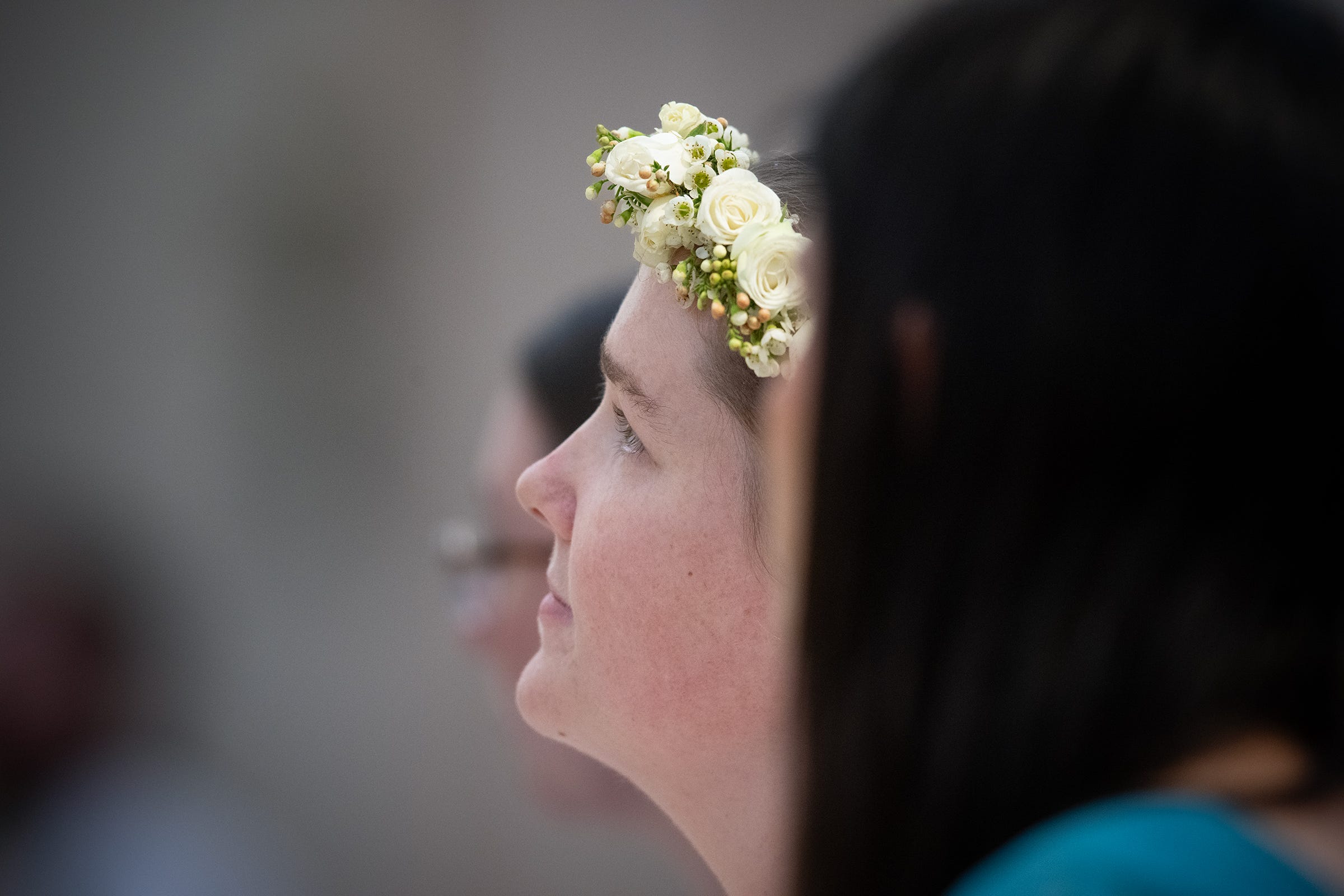
MacKenzie Warrens: Receptivity and the Vocation of Being
MacKenzie Warrens, one of the first perpetual pilgrims on the National Eucharistic Pilgrimage and now a consecrated virgin living in the world, came to GIVEN seeking formation in leadership. She recognized a leadership charism in her life and wanted to steward it well, especially as a woman.
“Everything I do is done as a woman,” she said. “So how do I live out of and lead out of my feminine genius?”
What surprised her was how often the Forum returned to identity rather than technique. “I didn’t expect it to be about identity,” she said. “That’s been really beautiful and fruitful.”
For Warrens, vocation is first about being. As a consecrated virgin, she is not required to have an apostolate. “It’s a vocation of being,” she said. Any apostolic work must flow from that primary identity.
“I am a bride of Christ,” she said. “That is my vocation. If the Lord calls me to some kind of apostolic work, great, but that has to flow from my identity as a bride of Christ, which is built on my identity as a beloved daughter of the Father.”
That order, daughter, bride, mission, shaped how she understood leadership. Doing something for Jesus, she said, leads to burnout because “you’re not yoked to him.” When work comes from striving rather than received love, the fruits of the Holy Spirit are often missing. But when something is done “from Jesus and through Jesus and in Jesus,” a person senses a Grace beyond human effort.
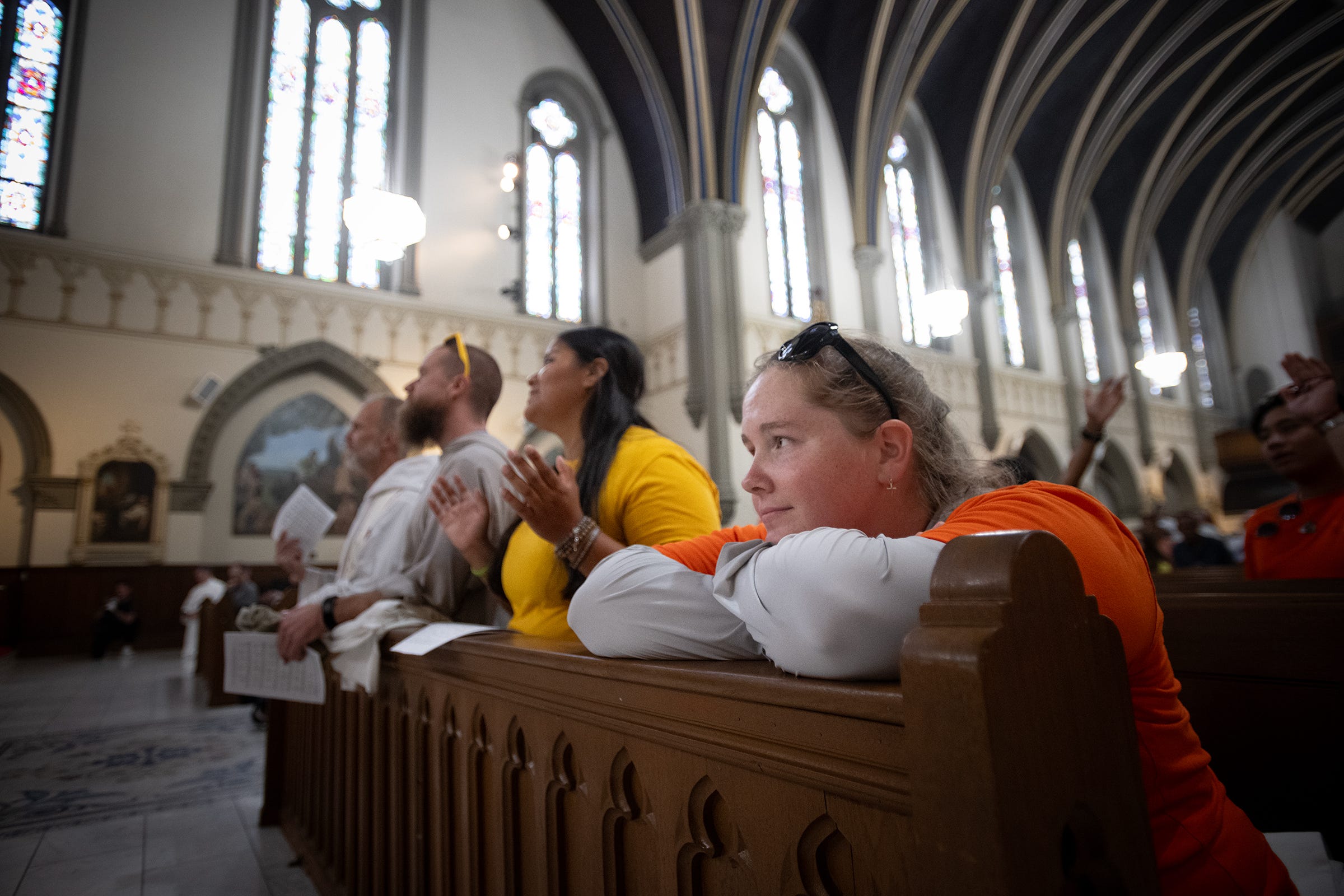
She’d seen this during the pilgrimage. Prompted to make 650 rosaries for the pilgrims, she told the Lord that if the idea was truly from him, he would have to provide. In four weeks, a community she called her “rosary warriors” made 781 rosaries, and the funds appeared. She called it “supernatural superabundance.”
That experience reinforced what GIVEN later made explicit: mission begins in receptivity, trust, and obedience, not frantic self-reliance.
“It’s that receptivity,” she said, “that radical receptivity, receiving the gift that you are. And making a sincere gift of yourself.”
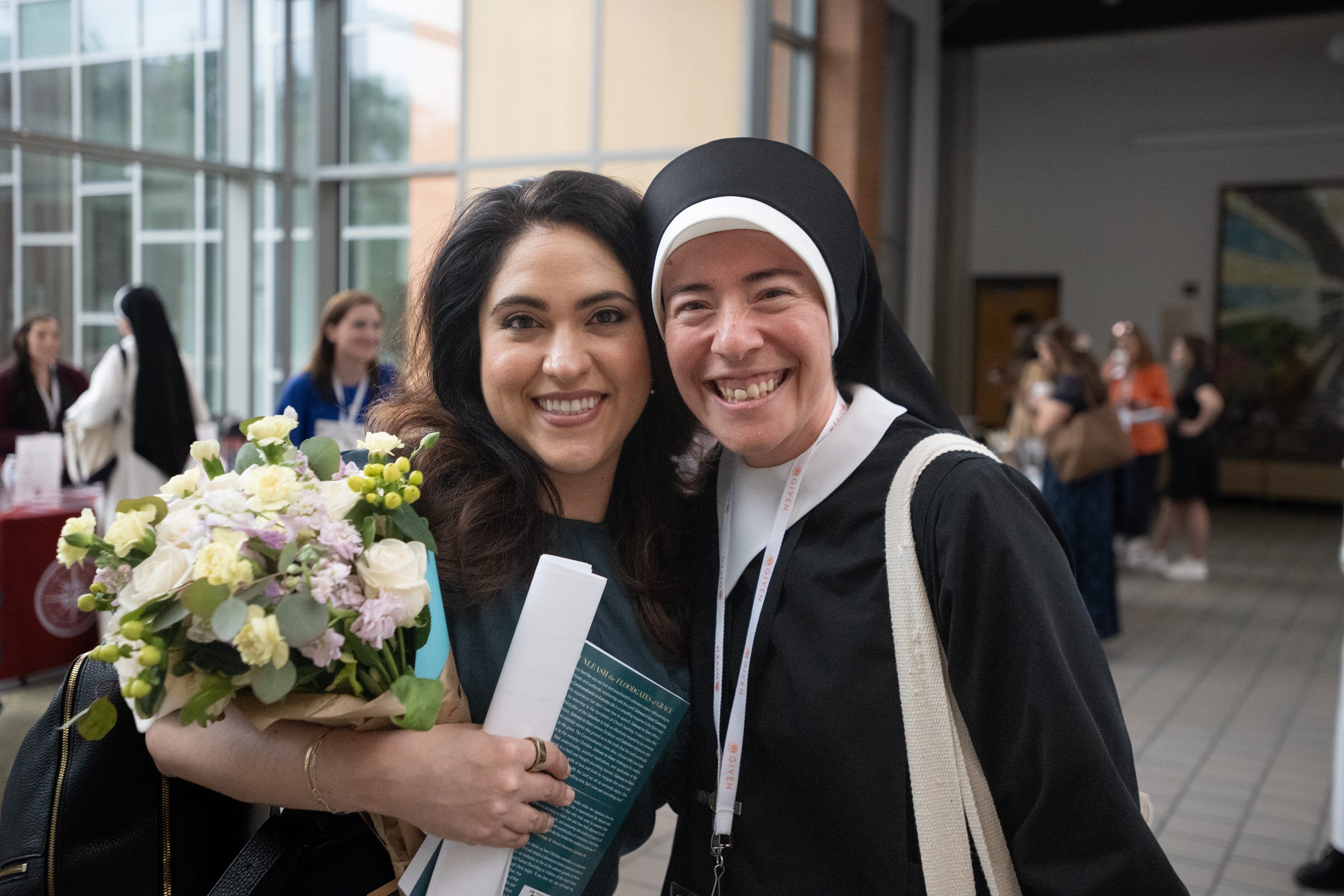
Sister Gabrielle: “You Don’t Have to Do to Be”
Sister Gabrielle, a religious sister from Baltic, Connecticut, came to the Forum through an invitation from the Sisters of Life. What struck her most was the spiritual hunger in the women gathered there.
“There’s this hunger for Jesus, wanting to love him through their gifts,” she said. She saw them asking, “What is it that you have given me, Lord? And how can I give back?”
The women weren’t seeking leadership in a worldly sense, she observed. They wanted to bring their gifts into the world “for Him, through Him, for the world.” When asked what she saw in them that they might not yet see in themselves, she answered simply: “The light of Christ.”
“There is so much hope for the Church,” she said, “as you see all these women who reflect the beauty of God’s love in a way that they themselves might not know.”
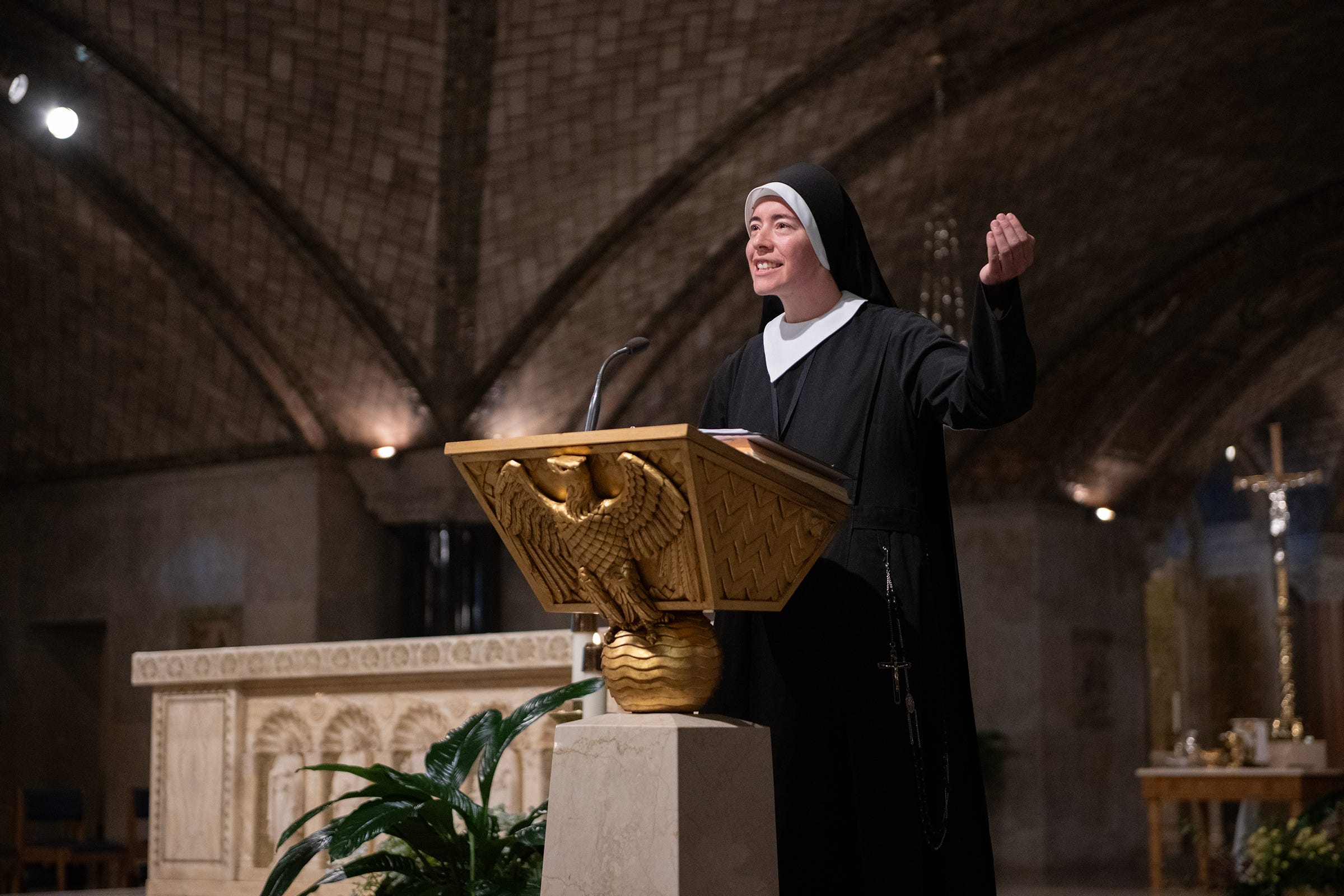
That inability to see one’s own dignity, she continued, often stems from wounds and cultural lies absorbed over time. The Forum helps women remember “who they are, whose they are,” so they no longer see themselves as objects or performers who must prove their worth.
“They can see themselves not as objects or as they have to perform to be someone,” she said, “but that they can just be beautiful daughters of the Father and just bring the gifts that God gave them.”
For Sister Gabrielle, this is the beginning of spiritual motherhood. “All women, no matter what their vocation in life is, we are called to be mothers,” she said. “We mother whoever is around us in our own backyard.” That motherhood, physical, spiritual, or both, means bringing care and compassion to those who are hurting and reminding them they are children of God.
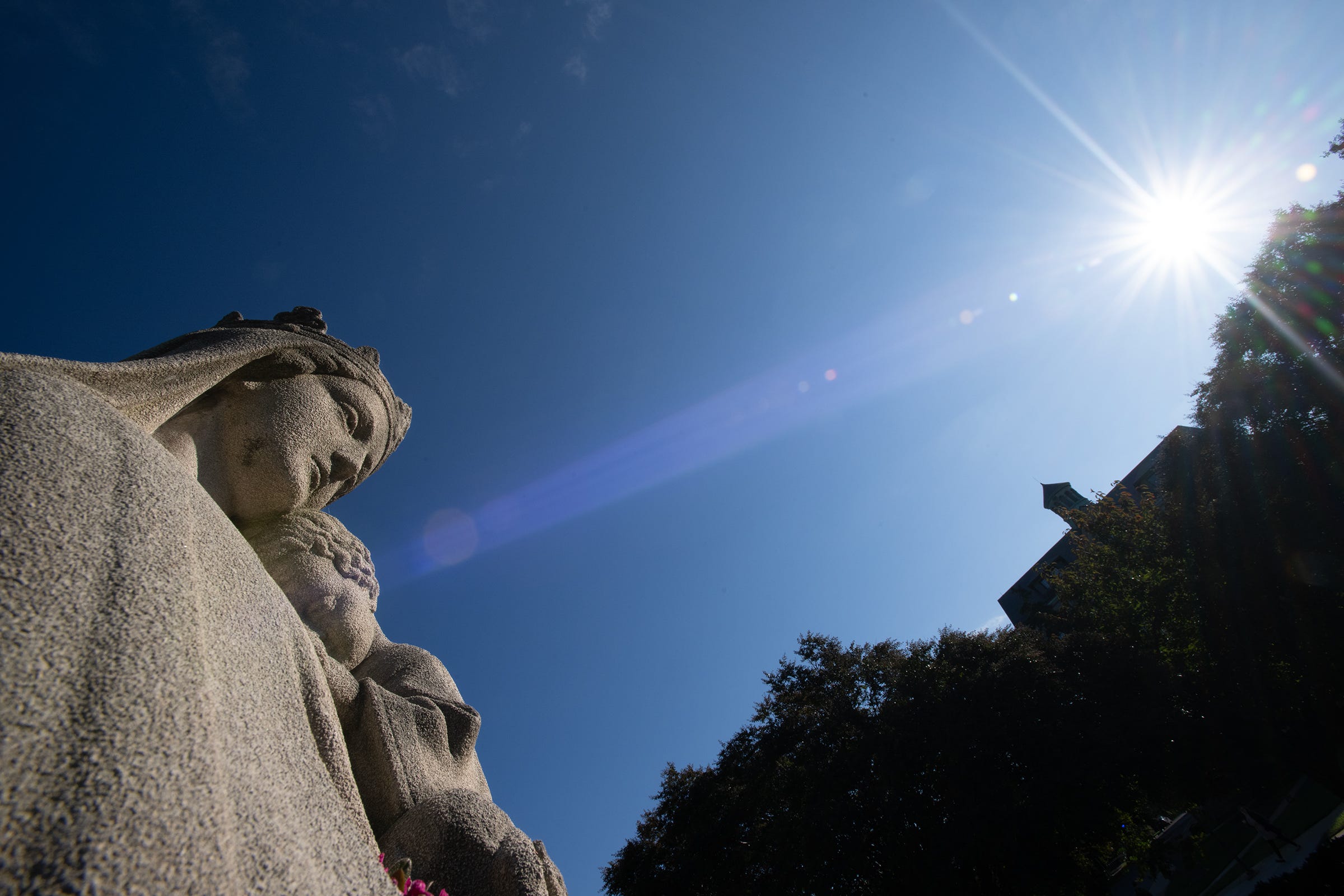
She pointed to the Blessed Mother as the model. Mary was a leader, Sister Gabrielle said, “because she followed the Lord and also because she was humble.” Her power came through surrender and an unwavering gaze fixed on the Lord. “She always gazed on the Lord,” Sister Gabrielle said. That gaze teaches women “to lead as we follow.”
When asked what young women most need before responding to God’s call, she returned to identity.
“I feel like a lot of us have this spiritual amnesia where we forget who we are,” she said. “The first thing you have to do is to understand that you’re a beloved daughter of the Father. No matter what you do, you’re still loved. What you don’t do, you’re still loved. You don’t have to do to be. You already are beautiful.”
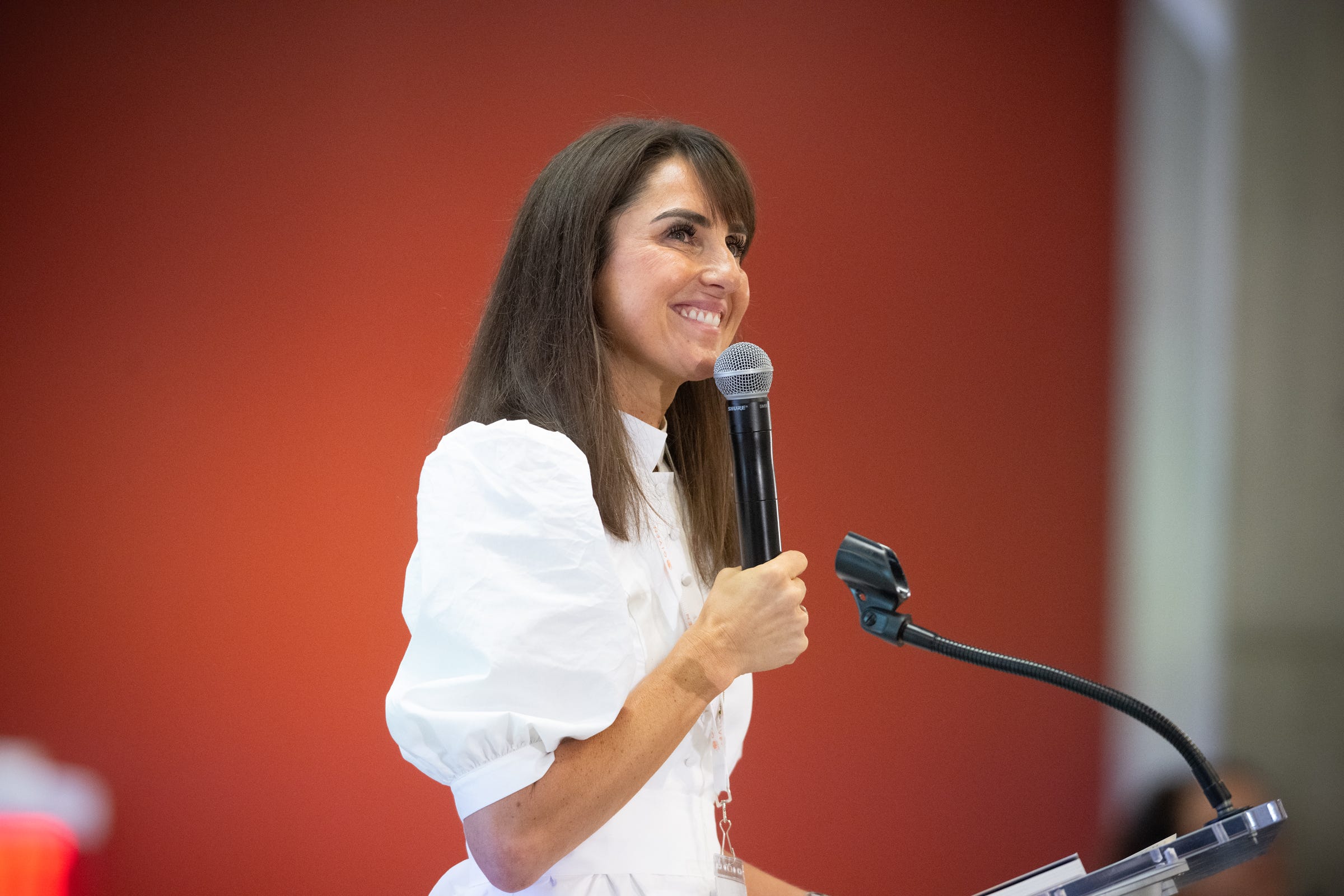
Jackie Mulligan: Drawing From an Empty Well
Jackie Mulligan, founder of Reform Wellness, brought a different but related emphasis: the need to care for body and soul as part of mission. Her own work began when she realized that true wellness couldn’t be separated from Christ.
“When I started Reform, it was because I understood that in order for me to be well physically and spiritually, Christ had to be at the center of my life,” she said. Without Christ at the center, even healthy habits can become disordered and short-lived.
At a leadership forum, she argued, care for the body and soul is not a side issue. “I think it’s one of the most important parts of mission.” Leaders shape the health of those around them. If the Church is to be healthy, its leaders must be helped to remain healthy.
When a woman tries to give her gifts while ignoring the needs of her body and soul, Mulligan said, “She ends up giving of herself at the cost of becoming exhausted, rather than giving of the Lord within her.”
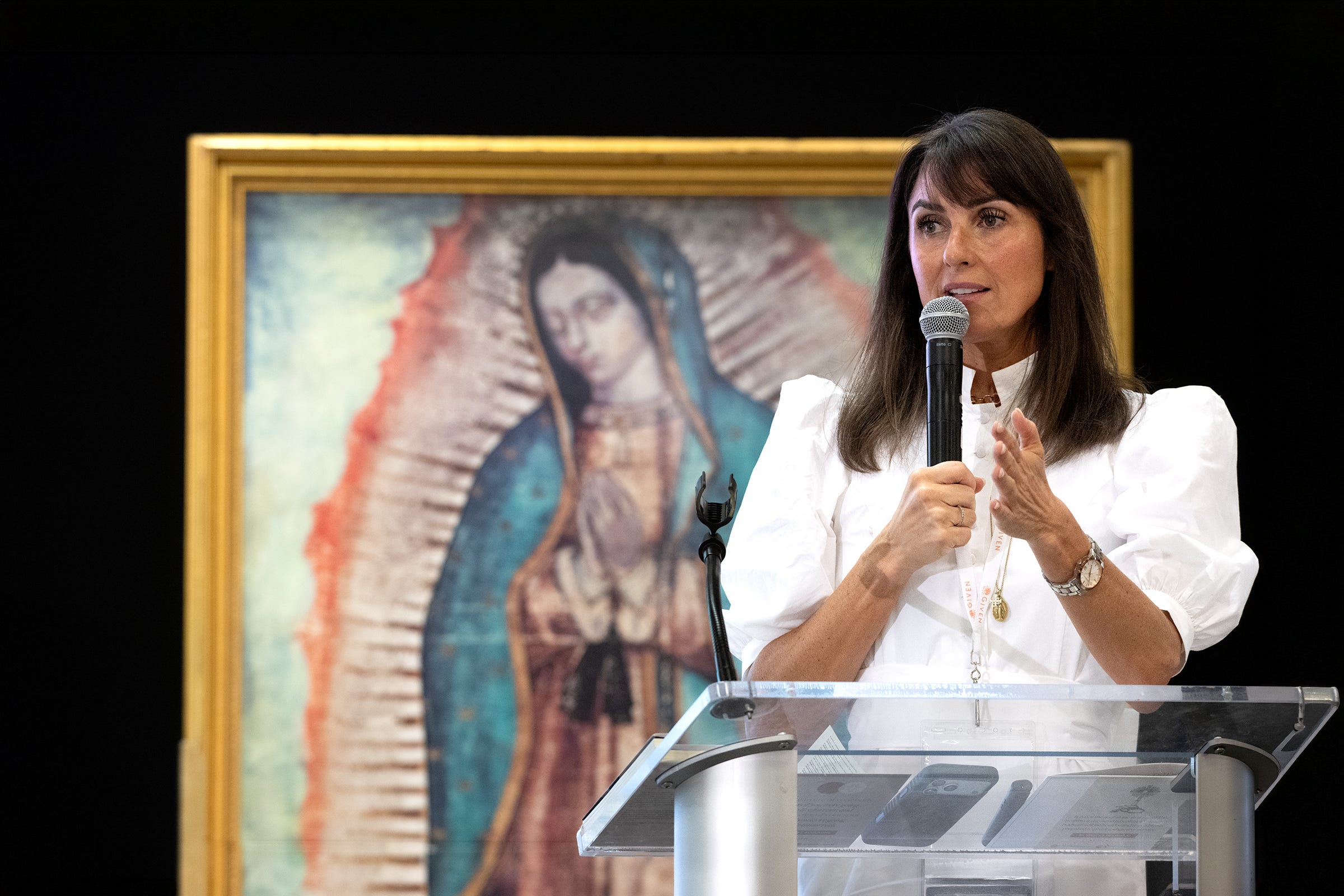
“If our bodies are suffering and our souls aren’t being tended to,” she continued, “we’re drawing from an empty well.”
She was quick to distinguish this from a consumer version of self-care. Caring for oneself, she said, is ordered toward becoming “a healthier, available vessel for the Lord.” Each morning, she encouraged women to notice the state of both body and soul rather than running on autopilot, treating health like a bank account that requires regular deposits of sleep, nutrition, prayer, silence, movement, and the sacraments.
“Sometimes we get really comfortable being at a four (out of ten), and that becomes the norm because it’s common,” she said. Leaders teach by the way they live. “People who you are leading watch you.”
For someone who doesn’t know where to begin, her advice was simple: “The first place is just to begin poorly. Even if it’s not perfect, just take a step forward.” Often that first step is one of the basics: eating well, sleeping enough, or really praying.
“I think that we miss the greatest gift of leadership,” she said, “which is letting the Lord lead us. And then other people benefit from that leadership.”
Empty Hands Before God
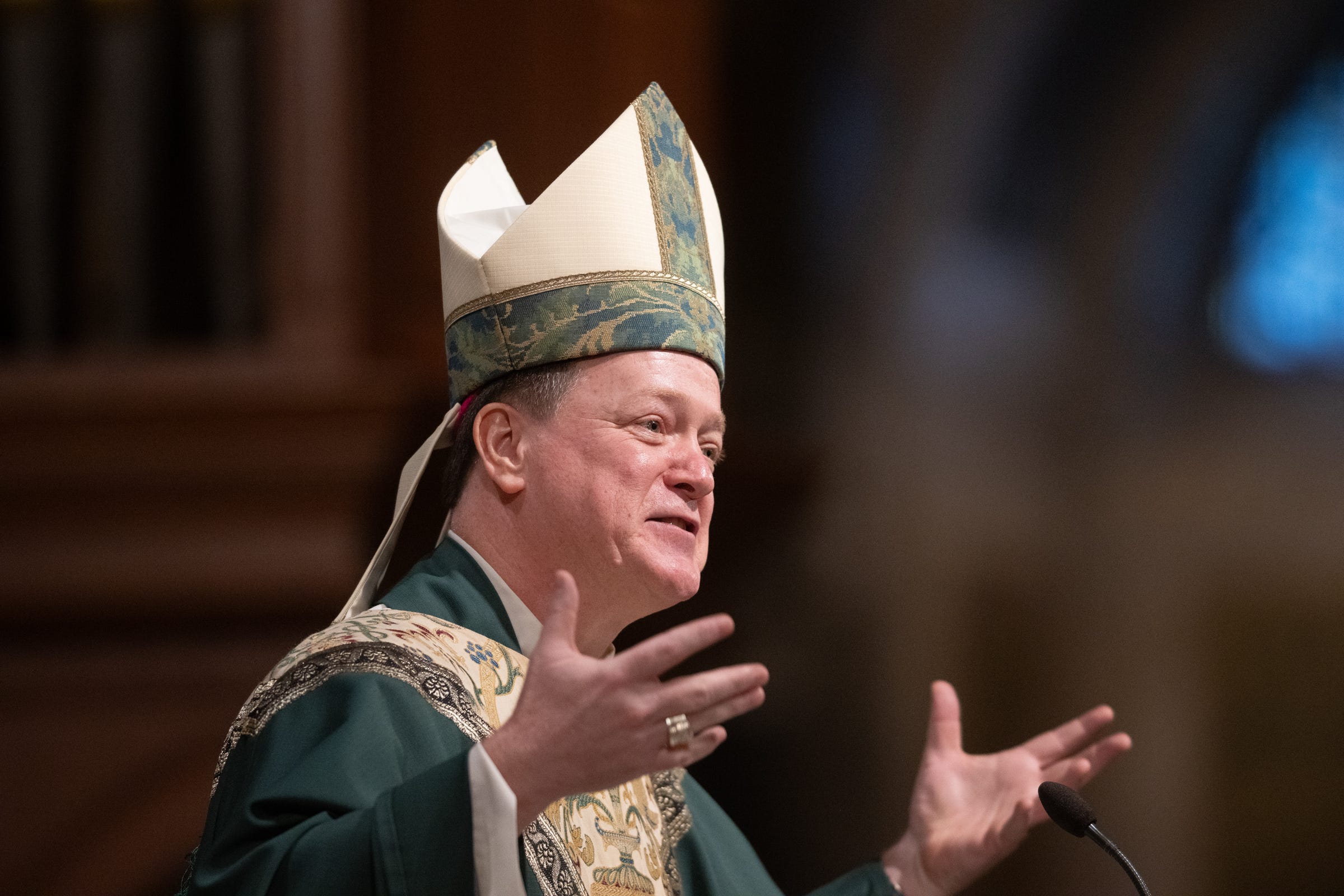
At the Forum’s closing Mass, Most Reverend Keith J. Chylinski, Auxiliary to the Archbishop of Philadelphia, spoke of the paradox at the heart of Christian discipleship: the one who loses his life finds it. This runs directly against the logic of the age, which promises fulfillment through control and self-reliance.
One of the great temptations, he said, is the temptation to handle things ourselves even while knowing God loves us and offers grace. The answer is not greater self-mastery but childlike trust. A child knows his need for a parent; Christians must learn again their need for the Father.
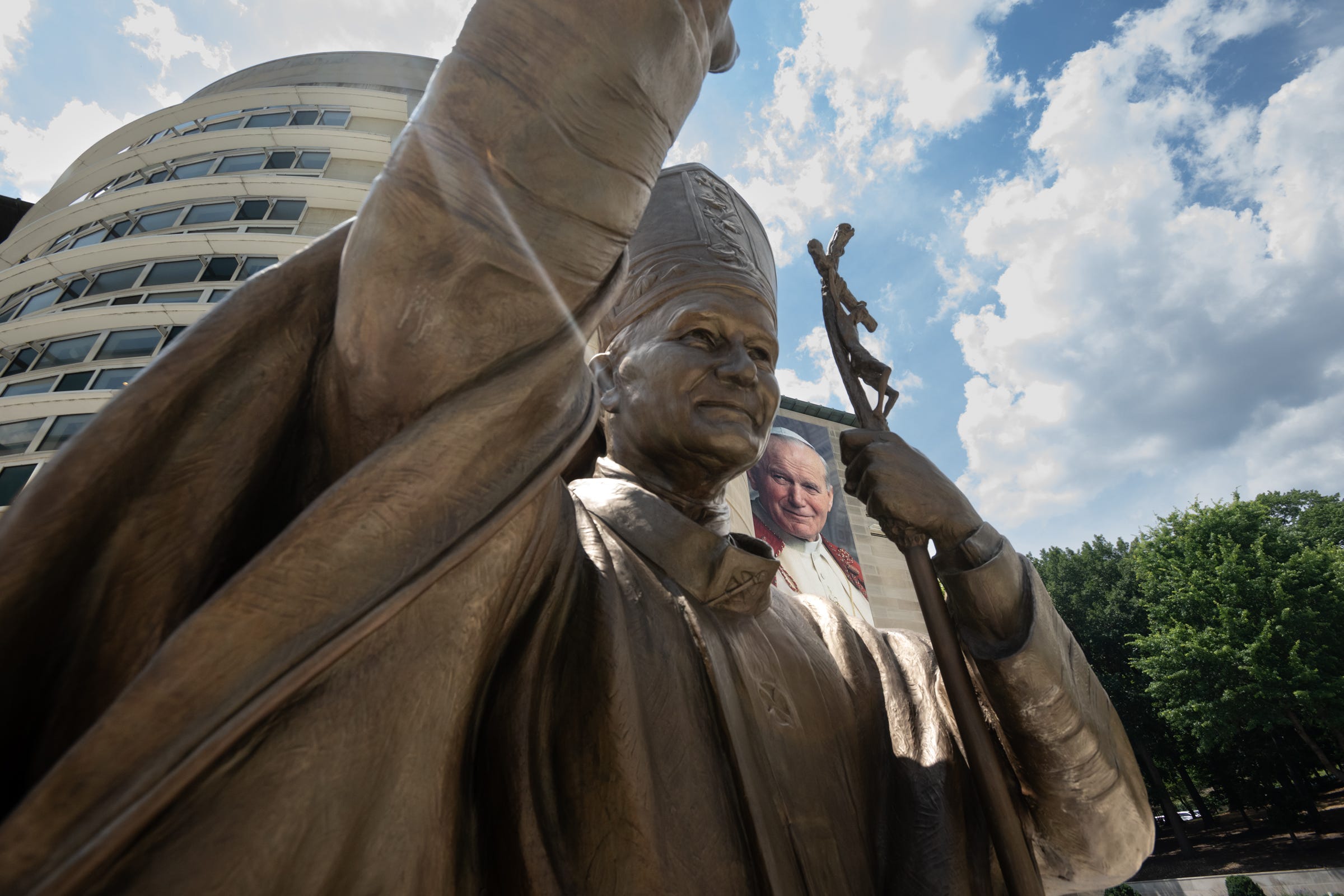
Drawing from St. John Paul II, the Bishop reflected that the dignity and vocation of women find their ultimate source in union with God, and that no one attains fulfillment apart from communion with Him. “To serve means to reign,” he said; a phrase that captured much of what GIVEN had been teaching.
Leadership in the Christian sense, he suggested, does not begin with domination or performance. It begins in communion with God and becomes service.
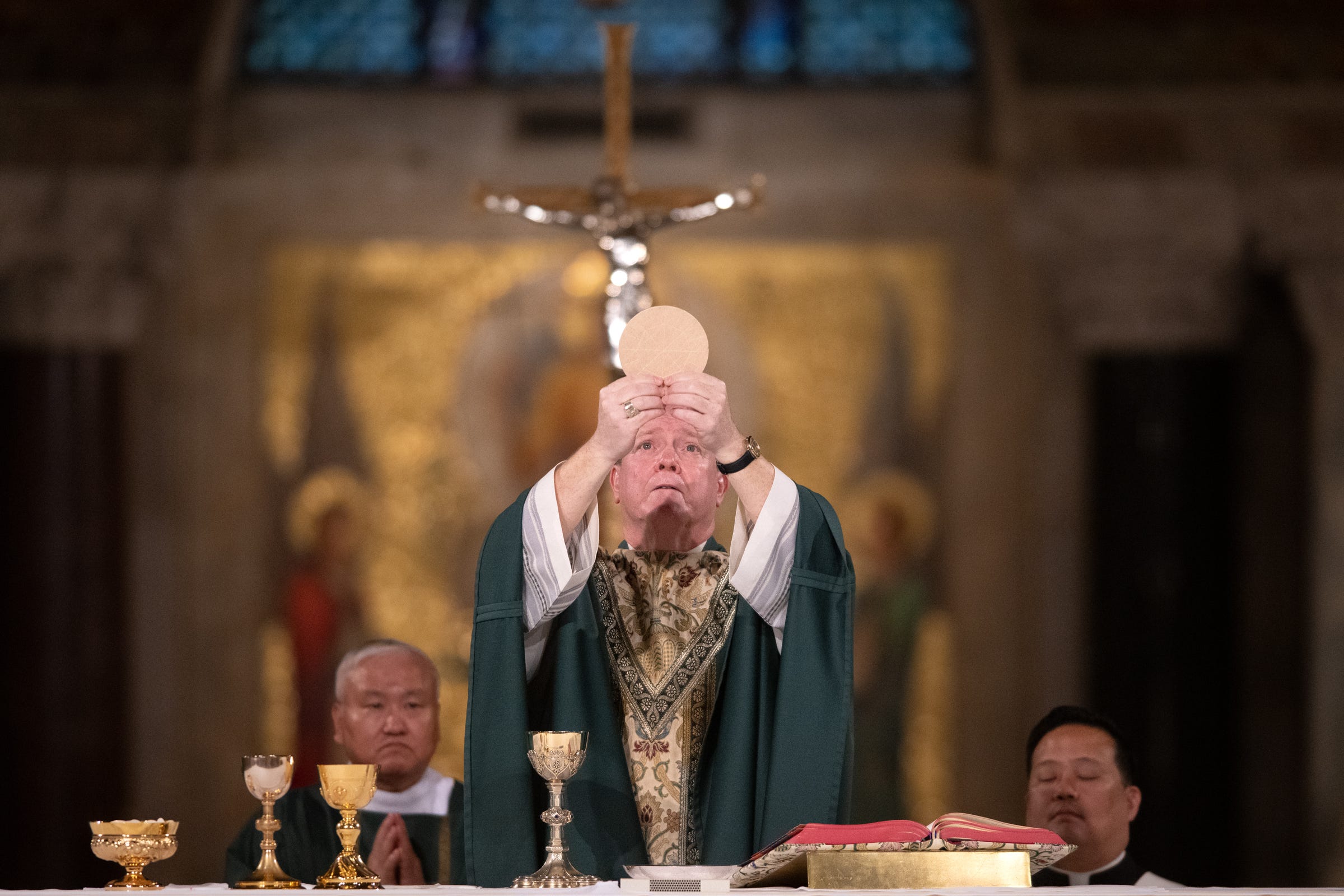
Near the end of the homily, he offered an image that could stand as a final word for the Forum: empty hands before God.
God cannot give Himself unless our hands are empty.
For the women leaving with Action Plans, vocational questions, new friendships, and a year of mentoring ahead, the challenge was not simply to go home and do more. It was to go home having received more deeply the love from which mission must flow.
Before Mission, Identity
Sister Gabrielle, MacKenzie, and Jackie approached the Forum from different vocations, yet their reflections converged on the same foundation. A woman must receive before she can respond.
She must know she is loved before she can give herself away freely.
She must care for the body and soul entrusted to her, not for comfort’s sake, but so she can become a vessel of grace. She must reject the lie that her worth depends on performance.
And she must learn to lead not by imitation of worldly power, but from identity, humility, receptivity, and love.
That’s the deeper principle of GIVEN. It’s name isn’t accidental. The Forum is built around the conviction that a woman’s life is first a gift… her talents, her vocation, even her mission.
These are not things she invents from nothing but something she receives, discerns, and offers back to God.
For Sister Gabrielle, that begins with beloved daughterhood. For MacKenzie, it’s the foundation of consecrated identity and feminine genius. For Jackie, it’s the only way mission avoids becoming exhaustion. At the closing Mass, the Bishop named the source of it all: empty hands before God, childlike trust, and the Grace to let oneself be loved.
Catholic women’s leadership does not begin with doing more.
It begins with receiving Love Himself, and allowing that Love to become a gift for the world.
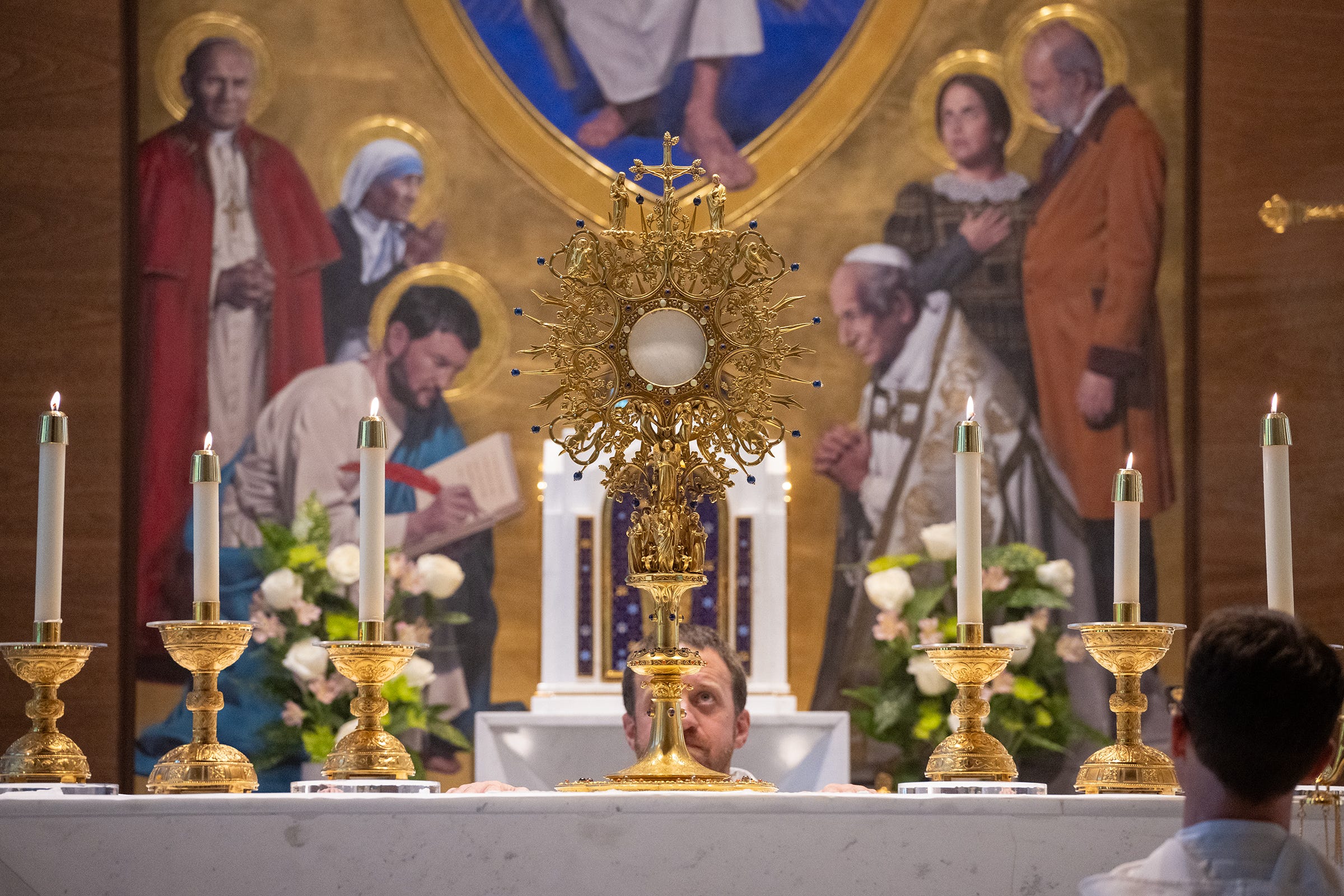
Learn more about the GIVEN Institute and thier incredible program by visiting their website.
Thanks for reading! This is a truly independent, reader-supported periodical. Your support is crucial. If you are able, please consider a paid subscription or making a ‘Patron of the Arts’ donation of any amount. By doing so, you are not just supporting this effort; you’re a vital part of this mission.
You have my heartfelt thanks for your generosity and support, and please keep me in your prayers, and know of mine for each of you. God Bless, Jeff
Thanks for reporting this event so well. I would have never known about this interesting conference otherwise.
Beautiful photography and story, Jeffrey. Thank you. It reminded me of the time when I visited the Shrine of the Immaculate Conception. I remember that when I walked out after th visit I was struck with the thought of Mary's "Yes" to God and how important it was for all of us that she accepted God's plan for all of mankind. Helen